
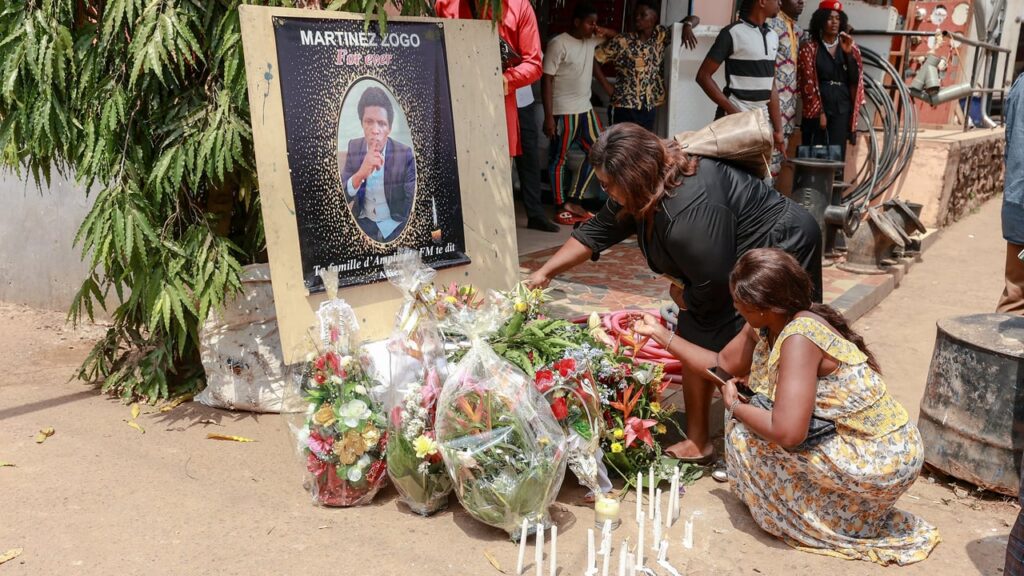

The testimony of Colonel Otoulou in the Martinez Zogo case has sent shockwaves through Cameroun. During the hearing, the senior officer provided detailed accounts that could reshape the ongoing investigation into the journalist’s tragic disappearance. His statements introduce new layers of complexity to a case that has gripped the nation for months.
Key revelations from Colonel Otoulou’s testimony
Colonel Otoulou’s account of events surrounding Martinez Zogo’s abduction and murder has pushed the investigation into uncharted territory. Among the most significant disclosures:
- Organised involvement: The colonel confirmed suspicions of a premeditated operation, implicating multiple actors beyond initial assumptions. His testimony suggests a coordinated effort rather than isolated actions.
- Institutional ties: Allegations of connections between suspects and security personnel have raised serious questions about the integrity of certain state institutions.
- Timeline adjustments: Otoulou’s timeline of events contradicts earlier narratives, forcing investigators to revisit key moments in the case.
Unanswered questions and emerging contradictions
The colonel’s statements have not only clarified certain aspects of the case but also introduced glaring inconsistencies. Prosecutors now face the challenge of reconciling his version with prior evidence. Critical gaps remain, particularly regarding:
- Motives behind the cover-up: What drove individuals within the security apparatus to obstruct justice? The colonel’s testimony hints at broader motives yet to be fully exposed.
- Role of intermediaries: Several unnamed figures are believed to have facilitated the operation. Their identities and connections to the accused are still under scrutiny.
- Potential accomplices: Otoulou’s account raises the possibility of additional suspects linked to the crime, expanding the scope of the investigation.
Public reaction and political fallout
The revelations have intensified public outrage, with civil society groups demanding swift accountability. Political figures are also under pressure to address the allegations implicating state actors. Key responses include:
- Calls for transparency: Opposition leaders have urged an independent probe to ensure impartiality, free from interference by implicated institutions.
- Media scrutiny: Journalists and activists continue to dissect each development, amplifying pressure on authorities to deliver justice for Martinez Zogo.
- International attention: The case has drawn concern from human rights organisations, adding to the urgency of resolving the matter transparently.
What happens next?
The investigation now hinges on verifying Colonel Otoulou’s claims and pursuing leads that could lead to further arrests. Prosecutors are expected to:
- Cross-examine suspects: Key individuals named in the testimony will face rigorous questioning to test the validity of Otoulou’s account.
- Examine digital evidence: Communications and financial records may provide crucial links between suspects and the crime.
- Strengthen witness protection: Given the gravity of the allegations, safeguarding those cooperating with the investigation remains a priority.
The outcome of this high-stakes inquiry will not only determine justice for Martinez Zogo but also test the resilience of Cameroun’s institutions in the face of corruption and impunity. Authorities face a pivotal moment to restore public trust and uphold the rule of law.
You may also like
Cameroun : Yaoundé mobilise 432 millions USD pour reprendre Société Générale Cameroun
Burkina Faso’s energy gamble: 104 billion CFA francs pledged as unpaid bills to Côte d’Ivoire linger
Bénin : comment la fermeture préventive des écoles du Nord déjoue les plans terroristes
Palokinam Pitché takes the helm of West African health organisation
Niger: why general Salaou Barmou was sacrificed on the altar of russian dependence