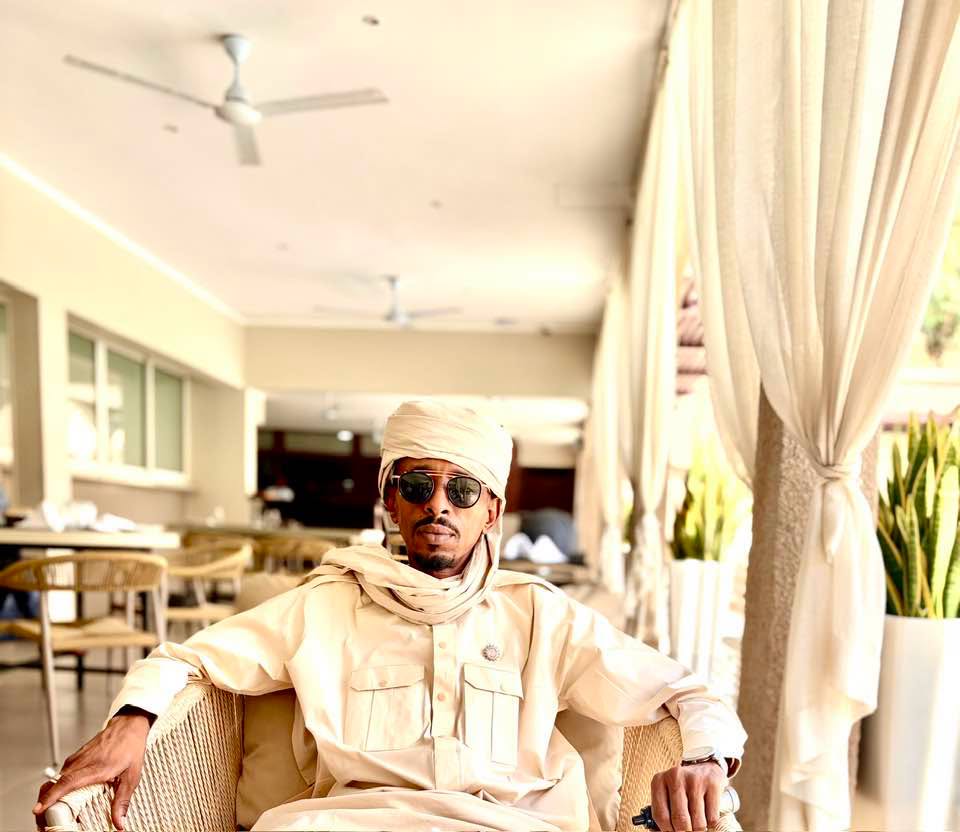
The arrest of imam Mohamed Ishaq Kindo and the suspension of Burkina Faso’s main student union mark a sharp shift under military rule. This week’s developments highlight growing tensions and escalating restrictions on civil liberties across the Alliance of Sahel States (AES).
Disappearance of imam Kindo sparks outrage
On the eve of Eid al-Adha, witnesses reported seeing masked security forces—police and soldiers—detaining imam Mohamed Ishaq Kindo at his home. Kindo was no ordinary religious leader; he had once been a vocal supporter of Captain Ibrahim Traoré, though he maintained a critical stance on government decisions.
“Imam Kindo was one of the few Muslim leaders in Burkina Faso who, despite initially backing Ibrahim Traoré, never hesitated to voice strong criticism of public policies when they crossed red lines.”
His arrest followed public criticism of a proposed law regulating religious practices, particularly outdoor prayers.
A distinct voice in the Sahel
Some analysts have drawn parallels with imam Mahmoud Dicko in Mali, but Newton Ahmed Barry, a Burkinabè journalist in exile, dismisses the comparison.
“Kindo was not seeking the same influence or political role. He focused on civic vigilance, monitoring issues within his religious domain as a member of the Federation of Islamic Associations of Burkina Faso (FAIB), which oversees adherence to Islamic doctrine.”
Clashes, disinformation, and state response
The imam’s detention triggered immediate backlash. Protests erupted, clashes broke out, and dozens were arrested. The FAIB repeatedly called for calm, but a disinformation campaign quickly spread—including a fake statement claiming Kindo had died, later denied by the prosecutor general. Suspicious videos allegedly showing abuses were flagged by AfricaCheck for inconsistencies, with some potentially generated using artificial intelligence.
Reports suggest some detained followers were transferred to Kaya in the Centre-Nord region, home to a military base.
Is fear the junta’s strategy?
Newton Ahmed Barry sees a deliberate pattern: “The military leadership believes that instilling fear ensures control. By traumatizing society, they aim to silence dissent and consolidate power.”
UGEB suspension: students targeted
Another alarming move came with the three-month suspension of Burkina Faso’s oldest student union, the General Union of Burkinabè Students (UGEB), founded in 1960. Its president, Bazo Wilfried, and other leaders were arrested on charges of “terrorist propaganda” and “undermining the morale of security forces” after criticizing the deteriorating security situation and calling the crisis a “civil war.”
Mahamadou Idder Alghabid, deputy secretary-general of the Alliance of Sahel Democrats (ADS), views the charges as part of a regional trend: “It’s laughable to accuse unarmed students of terrorism. Across the Sahel, any dissent is met with accusations of terrorism or collaboration with militants. This is the new language of authoritarian rule in Burkina Faso, Mali, and Niger.”
Regional crackdown on freedoms
In Burkina Faso, Mali, and Niger, human rights advocates warn of a systematic erosion of civil liberties. Organizations are being dissolved, judicial pressure is mounting, and freedom of expression is increasingly restricted. The ADS argues that the line between political criticism, union activity, and criminal offense is vanishing.
Resistance persists despite risks
Despite arrests, abductions, and violence, voices of opposition continue to speak out—often from abroad. Mahamadou Idder Alghabid insists the struggle is far from over: “We know the fight is immense. We’re up against three military regimes. But every day, we gain ground while they lose it. Their propaganda initially resonated, promising sovereignty and anti-imperialism. Now, their failures are evident. People are waking up and abandoning the putschists.”
Newton Ahmed Barry predicts change: “Excessive force is the junta’s weakness. Overreach will eventually lead to its downfall. The Burkinabè people are not bowed—they’re biding their time, and their response will come.”
Call for international solidarity
Human rights groups urge sustained international support for civil society and democratic resilience. Ilaria Allegrozzi of Human Rights Watch stresses the need to “stand with spaces for expression, civil initiatives, and peaceful resistance. Silence only legitimizes authoritarian excesses.”
Confronting authoritarian drift
At its core, the legitimacy of military rule is being questioned. Human Rights Watch insists: “We must name these abuses clearly. The seizure of power by putschists cannot become the norm. Violations of human rights are not acceptable under any guise.”