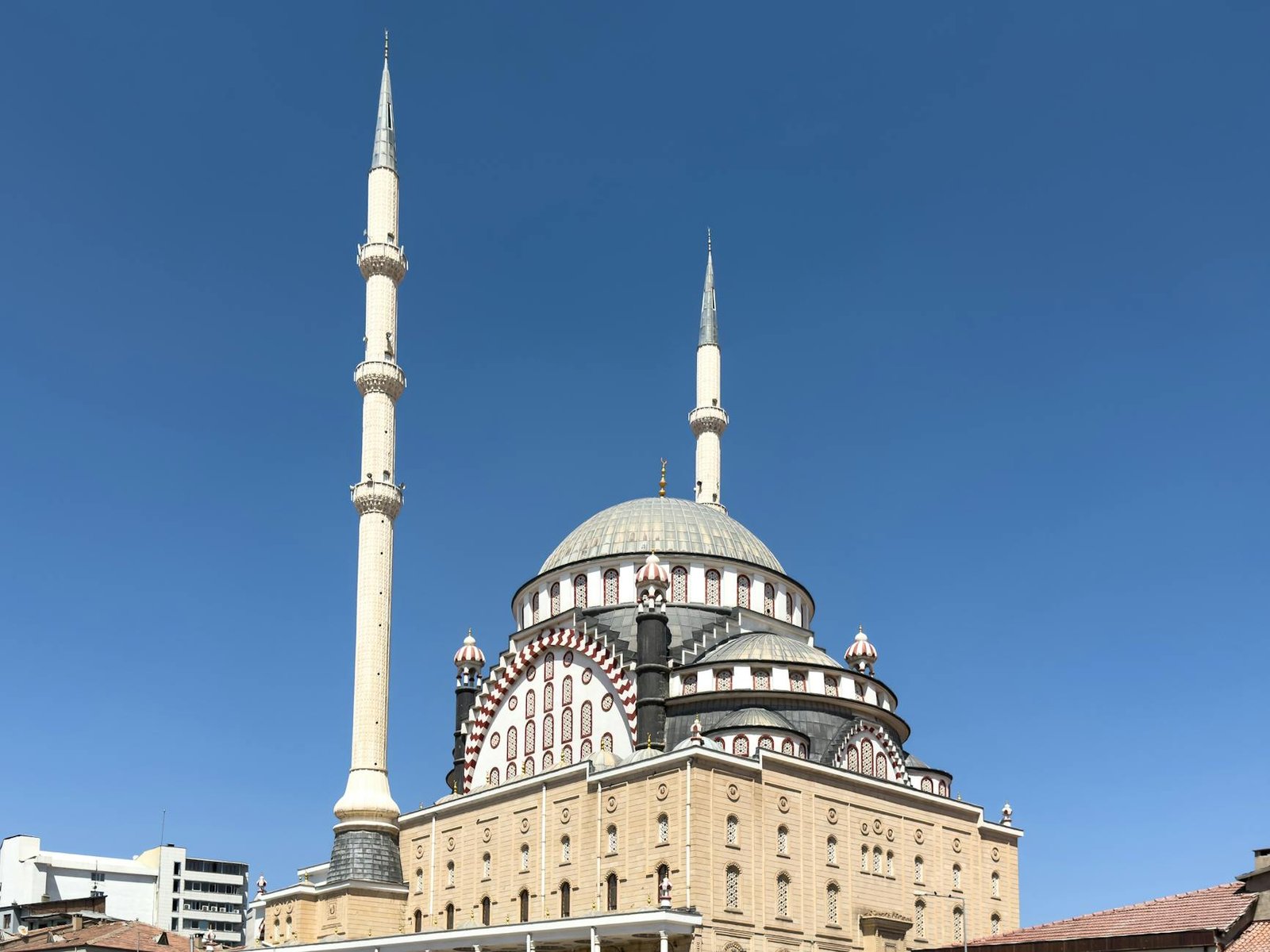
Ouagadougou’s Grand Sunnite Mosque, one of the Burkinabè capital’s most frequented Muslim places of worship, has been under police cordon since Thursday, May 29. The transitional authorities, led by Captain Ibrahim Traoré, ordered its indefinite closure, justifying the action by potential risks to public order. The area surrounding the building has been sealed off, with security forces maintaining a constant presence to prevent any gatherings near the edifice.
This decision comes at a particularly sensitive time in the Muslim calendar, just before the observance of Eid al-Adha, known locally as Tabaski. On Tuesday evening, several hundred worshippers had gathered around the mosque, demanding updates on their imam, who had been missing for several days. This protest, unusual in a nation where civic space has significantly diminished since the September 2022 coup, prompted a swift response from the executive.
A week of tension surrounding an imam’s disappearance
The closure of the Grand Sunnite Mosque is not an isolated incident; rather, it marks the culmination of a week-long period during which the faithful community mobilized to seek information regarding their religious leader’s fate. The authorities have provided no details on the circumstances of the imam’s disappearance, nor has any official communication confirmed a possible arrest by security services.
In Burkina Faso, human rights organizations have documented several instances in recent months of critical figures, or those perceived as such by the military regime, going missing. Magistrates, journalists, traditional chiefs, and civil society leaders have faced military requisitions or extended periods of police custody, under an expanded legal framework implemented by the transitional authorities in the name of the war effort against jihadist armed groups.
A political signal ahead of Tabaski
The timing of this action raises questions. By closing a place of worship of such significance just hours before the year’s primary Muslim holiday, authorities are sending a strong message to a community that holds considerable demographic and symbolic weight in Burkina Faso, a predominantly Muslim nation. The Grand Sunnite Mosque in Ouagadougou is far from an ordinary structure; it serves as a crucial reference point for the Burkinabè Sunnite movement, notably structured around the Mouvement sunnite, and typically hosts thousands of worshippers for major prayers.
This measure highlights the junta’s challenge in managing internal dissent while the bulk of its resources remain committed to combating the armed insurgency plaguing several regions of the country. Since 2022, the military government has repeatedly demonstrated firmness against internal opposition, whether from civil society, trade unions, suspended political parties, or now, the religious sphere. However, closing a mosque for reasons of public order remains a rare act, one that could fuel perceptions of an infringement on religious freedom.
Preserving a delicate religious balance
Burkina Faso has long been recognized as a model of interfaith coexistence among Muslims, Christians, and adherents of traditional religions. This delicate balance, already weakened by jihadist violence that regularly targets places of worship of the two main confessions, could be severely tested by this direct confrontation between the central power and an organized religious community within the capital.
For observers of the Burkinabè transition, the upcoming developments will be pivotal. A swift reopening of the mosque, clarification regarding the imam’s situation, and the potential initiation of dialogue with Sunnite leaders would all serve as gestures of appeasement. Conversely, a prolonged police deployment around the building risks solidifying tensions within a community that has, until now, been largely uninvolved in public opposition to the regime.