Bénin parliament to review two critical bills this friday
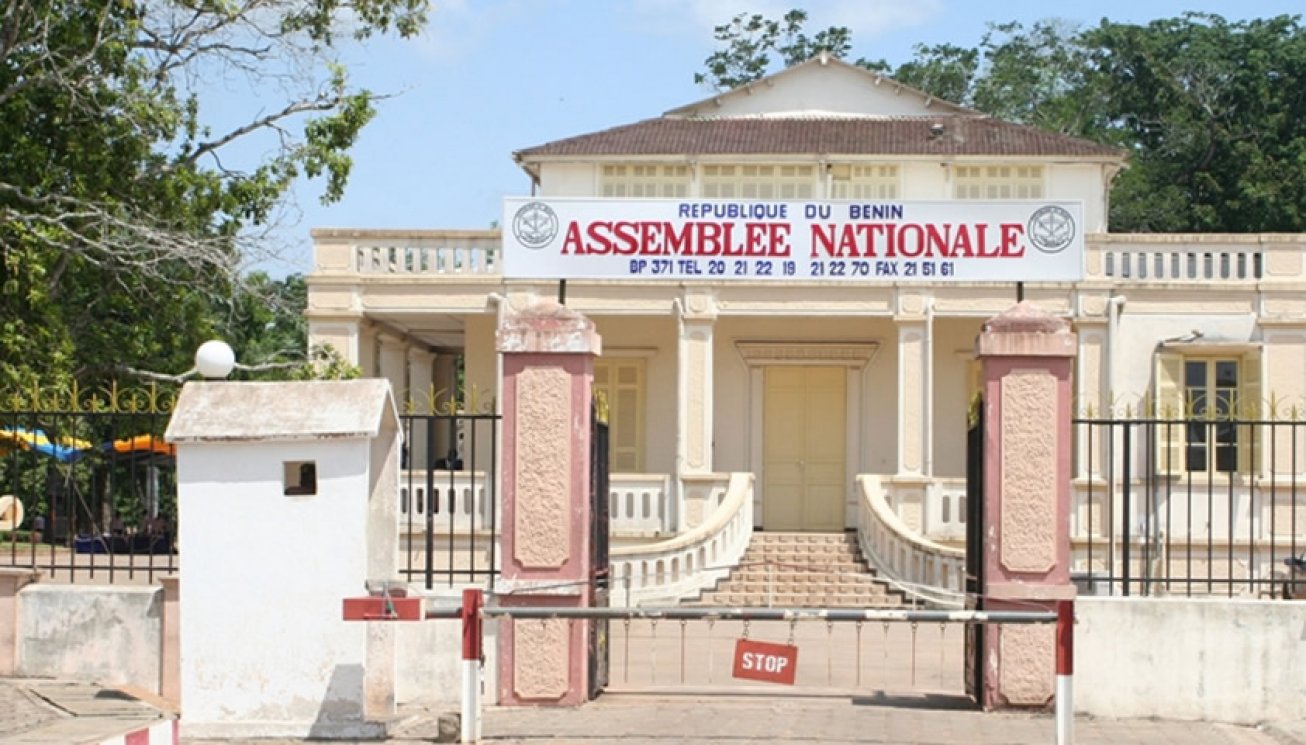
Members of the 10th legislature of the Bénin National Assembly are set to convene this Friday at the Palais des Gouverneurs to deliberate on two urgent legislative proposals. The session, presided over by Joseph Fifamin Djogbénou, is expected to address key national priorities under the new administration led by President Romuald Wadagni.
Urgency and strategic alignment
The National Assembly has greenlit an accelerated review process for these bills to align legislative action with the government’s freshly defined priorities. The urgency stems from the need to implement changes swiftly following the recent government reshuffle and the president’s strategic directives.
The first bill is a 2026 supplementary budget proposal, increasing the national budget from 3,783.984 billion to 4,086.620 billion FCFA—a rise of 8%. Despite this adjustment, macroeconomic projections remain steady with a projected 7.5% growth rate. Personnel expenses have been trimmed by 9.8%, though essential recruitments and service acquisitions remain unaffected.
The second bill seeks to amend the law governing the organization and functioning of the Médiateur de la République, reinforcing governance mechanisms within the administration.
Social and economic priorities in focus
The supplementary budget reflects a strong commitment to social development and human capital. Key allocations include:
- New funding for social protection programs, including the expansion of water points in schools and health centers
- Accelerated nutrition supplementation for children during their first 1,000 days
- Strengthening of universal health coverage and support for vulnerable children
- Free secondary education for girls starting in the 2026-2027 academic year
- Construction of additional school canteen facilities
The security sector will also see increased investment, particularly in public safety through expanded video surveillance in major urban areas. Meanwhile, the health and infrastructure sectors benefit from enhanced funding for hospital construction, rehabilitation, and sanitation projects, including the operational launch of the International Hospital of Calavi.
In response to rising production costs exacerbated by global crises, the government is introducing subsidies for agricultural inputs to bolster productivity and food security.
A pivotal legislative moment
This Friday’s session marks a significant milestone in the parliamentary calendar, not only due to the financial magnitude of the budget adjustments but also for the political and social signals it sends. The passage of these bills will set the tone for the remainder of the legislative term and the government’s ability to deliver on its promises.
You may also like
Sévaré attack aftermath: Mali’s security debate and the road ahead
What the first Sèmè crude cargo means for Benin — and the debate it has sparked
After Dioura: how the AES security gamble became the Sahel’s biggest open question
Olympe Bhêly-Quenum at 100: how the literary world is reacting and what lies ahead
Mali reacts to Goïta’s independence day address: what the war-and-dialogue pledge means now