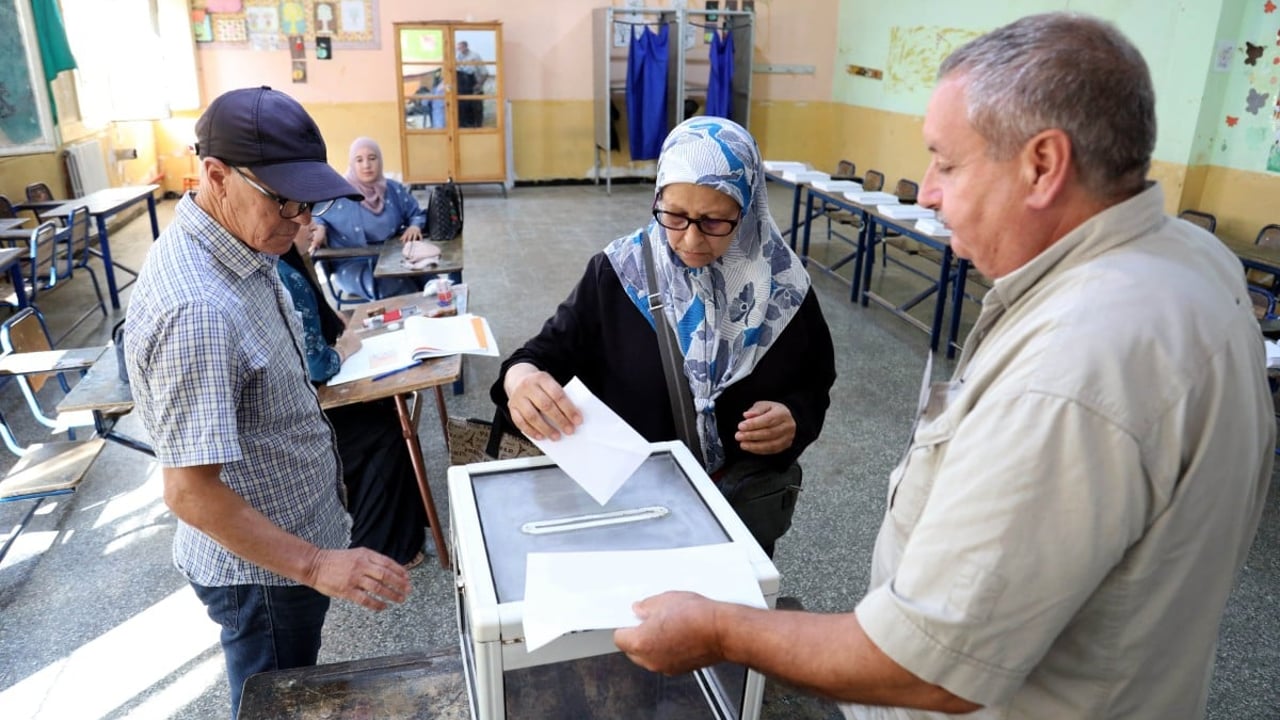
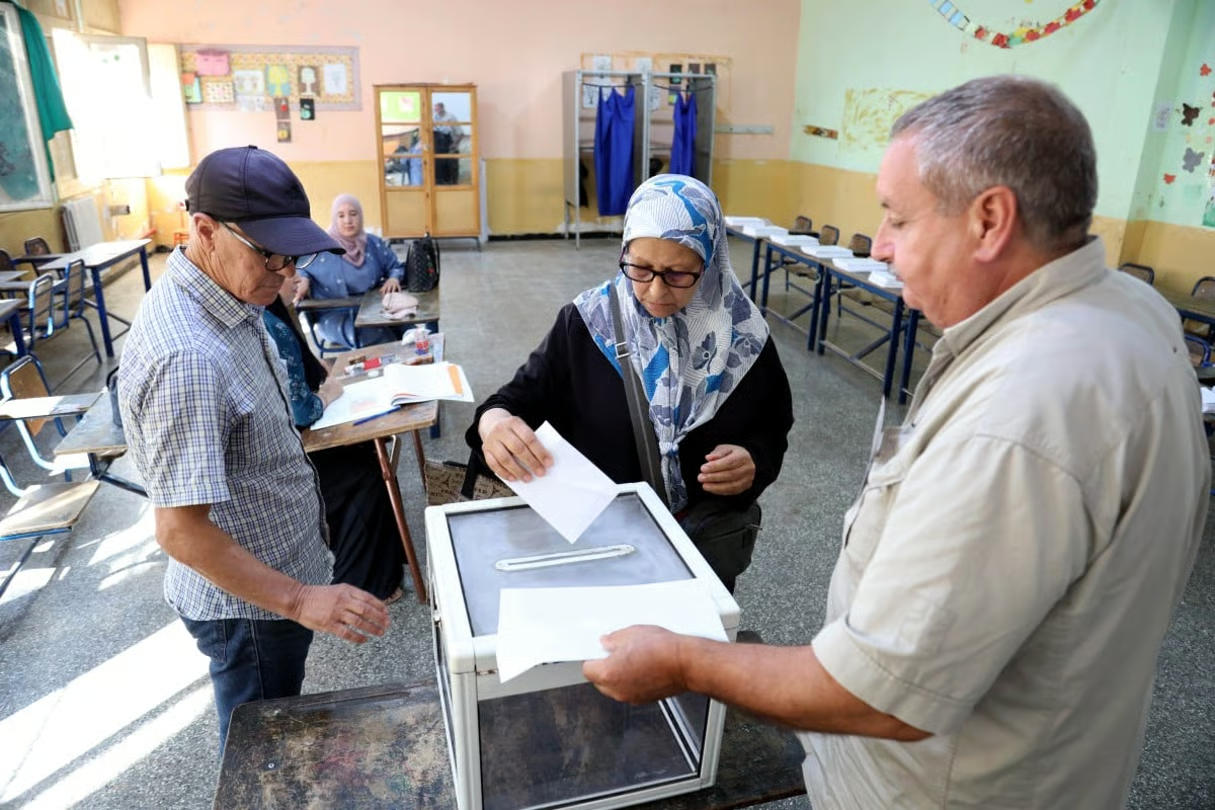
Algeria’s legislative elections held on July 2, 2026, concluded with a provisional voter turnout of just 20.79%, marking the lowest participation rate in the country’s modern democratic history. The turnout figures, released by the National Independent Electoral Authority, reflect widespread voter apathy amid political and social challenges.
The elections, which took place across polling stations nationwide, saw citizens casting ballots under strict security measures. In Algiers, voting proceeded smoothly, though turnout remained significantly below expectations. Analysts attribute the dismal participation to growing public disillusionment with the political process, compounded by economic hardships and dissatisfaction with governance.
Key factors behind the historic low turnout
Several elements contributed to the unprecedented voter disengagement:
- Political disillusionment: Many Algerians expressed skepticism toward the electoral system, citing a lack of credible alternatives and frustration with entrenched political elites.
- Economic pressures: Persistent unemployment, rising living costs, and limited opportunities have eroded public confidence in the government’s ability to address core issues.
- Social unrest: Sporadic protests over economic conditions and political freedoms have intensified in recent months, further discouraging participation.
- Perceived irrelevance: Some voters viewed the elections as a formality, believing real power remains outside the ballot box.
Reactions from political observers
Political analysts and civil society leaders have highlighted the implications of such low turnout. “This figure underscores a deep disconnect between institutions and citizens,” noted one political scientist. “Without meaningful reforms, Algeria risks deepening its democratic deficit.”
Meanwhile, government officials emphasized efforts to ensure transparent and inclusive elections, though critics argue these measures failed to resonate with the electorate. The provisional results are expected to be finalized in the coming days, with further scrutiny from both domestic and international observers.
What comes next?
The historic turnout raises questions about Algeria’s political future. Will the government respond with policy changes to rebuild trust, or will public disengagement persist? As the post-election analysis unfolds, all eyes remain on how leaders address the growing rift between state and society.