education
75 inspectors trained in digital teaching methods in Côte d’Ivoire
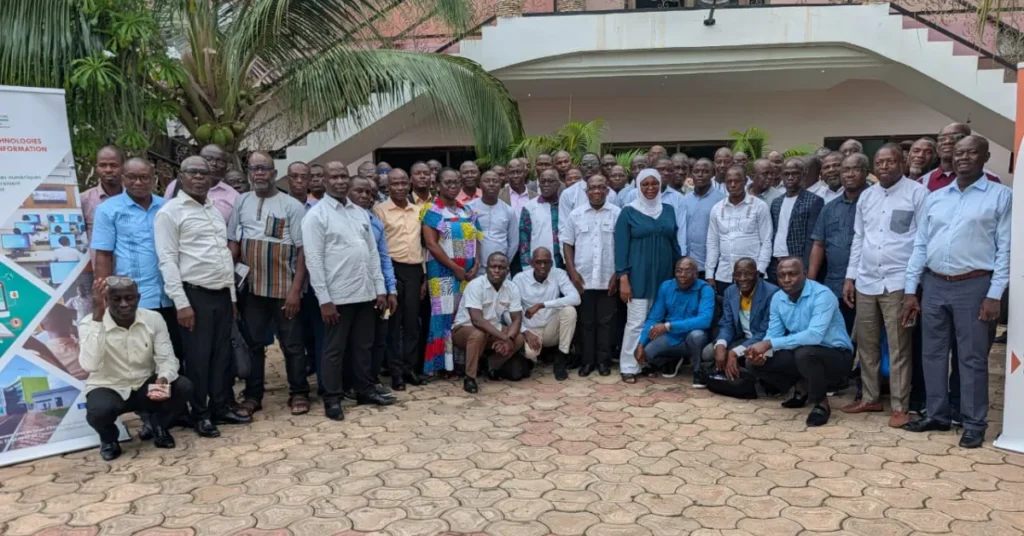
During the second phase of the Digital Skills Development Project for Teaching and Management Staff (DCNPEE), 75 educational inspectors from 25 regional education directorates in Côte d’Ivoire participated in an intensive three-day training workshop in Yamoussoukro from May 4 to 6, 2026. Organized by UNESCO in collaboration with Côte d’Ivoire’s Ministry of National Education, Literacy and Technical Training (MENAET) through the Directorate of Technologies and Information Systems (DTSI), the workshop aimed to strengthen digital competencies among key educational stakeholders.
This initiative builds on the success of the first phase, which already equipped 43 inspectors with essential digital skills, demonstrating the government’s commitment to fostering equitable digital education across all regions. The training aligns with Côte d’Ivoire’s National Digital Education Strategy (SNDECI 2024-2028), reinforcing the country’s vision for a modern, inclusive educational system.
The training focused on empowering inspectors from Mathematics, Life and Earth Sciences (SVT), and Physics and Chemistry disciplines with essential digital tools. Over three days, participants learned to create engaging educational content, develop interactive presentations, and integrate artificial intelligence into their teaching methods. These skills are designed to enhance teaching effectiveness and make learning more dynamic and student-centered.
Participants praised the relevance of the modules, which addressed current challenges in Côte d’Ivoire’s education system. UNESCO and DTSI officials emphasized the strategic role these inspectors will play as digital transformation ambassadors, mentoring teachers across the country’s educational regions. The training represents a significant milestone in implementing the DCNPEE 2 project, funded by GIZ, with upcoming activities focusing on strengthening IT management capacities to build a modern, inclusive, and high-performing Ivorian school system.
You may also like
Senegal’s 2026 budget revision: how the deficit surge hits households, businesses and the Pastef majority
Benin’s €544,042 UNAIDS funding: the tangible consequences for patients, communities and the economy
Senegal-Azerbaijan pact in New York: what it means for jobs, trade and cooperation
What Luxembourg’s 9.8 billion FCFA port training pledge means for Benin’s workers and businesses
Burkina Faso: shrinking civil service payroll exacts a heavy toll on households and local economies