The World Bank has allocated a $160 million grant to bolster water security and climate resilience in Chad’s most vulnerable regions, directly benefiting one million people—over half of whom are women.
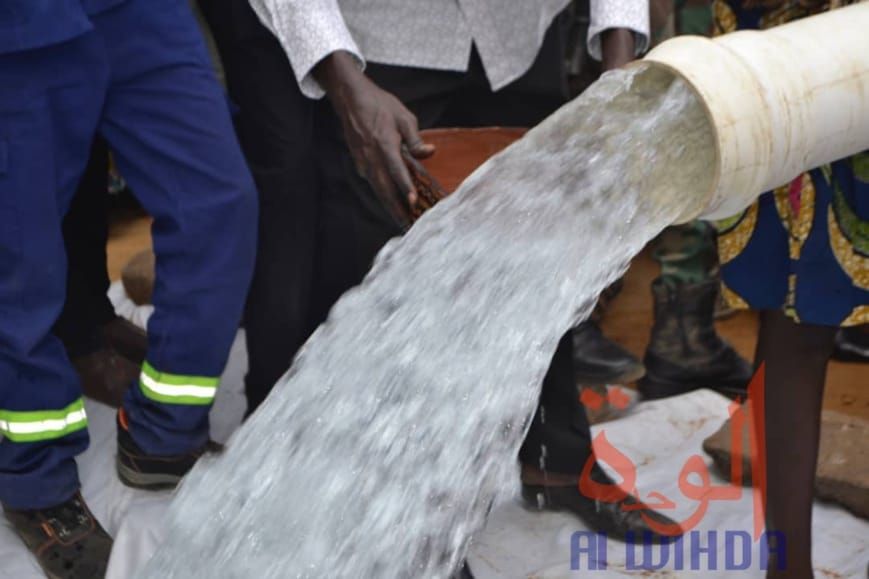
Chad’s water crisis meets investment in resilience
Chad faces mounting challenges from climate change, resource scarcity, and the strain of hosting over 1.3 million refugees from Sudan. In response, the World Bank’s International Development Association (IDA) has approved a $160 million grant to tackle these issues head-on. The funding will drive the Water Security and Climate Resilience Support Project (WSCRSP), a multi-year initiative designed to restore vital water access and safeguard communities against environmental shocks.
A lifeline for vulnerable communities
The project targets eastern Chad, where water shortages and climate variability have deepened vulnerabilities. Investments will focus on:
- Sustainable water management: Upgrading infrastructure to ensure reliable supply despite droughts and erratic rainfall.
- Community resilience: Training locals in climate adaptation strategies and resource conservation.
- Peacebuilding: Reducing conflicts over dwindling resources by improving equitable access.
“In regions where water scarcity fuels tensions and displacement, this project is a game-changer,” said Farouk Mollah Banna, the World Bank’s Resident Representative in Chad. “By addressing the root causes of fragility—uneven development, economic exclusion, and natural resource disputes—we’re investing in long-term stability.”
The initiative also draws on the Host Communities and Refugees Window, with $80 million earmarked to support both displaced populations and their host communities, ensuring no group is left behind.
Aligning with Chad’s long-term vision
The WSCRSP complements Chad’s Chad Connexion 2030 development plan, which shifts focus from emergency aid to sustainable growth. By integrating water security into national policies, the project aims to:
- Reduce reliance on humanitarian aid in crisis-prone areas.
- Enhance economic opportunities through climate-smart agriculture and job training.
- Strengthen social cohesion by involving women and youth in decision-making.
“This isn’t just about infrastructure—it’s about rebuilding lives,” noted Hawa Cissé Wagué, the World Bank’s interim Country Director for Chad. “By combining development with resilience, we’re helping Chad transition from survival to thriving.”
The project will impact one million people across refugee-hosting provinces, N’Djamena, and other high-risk zones, with women representing 50.6% of beneficiaries.