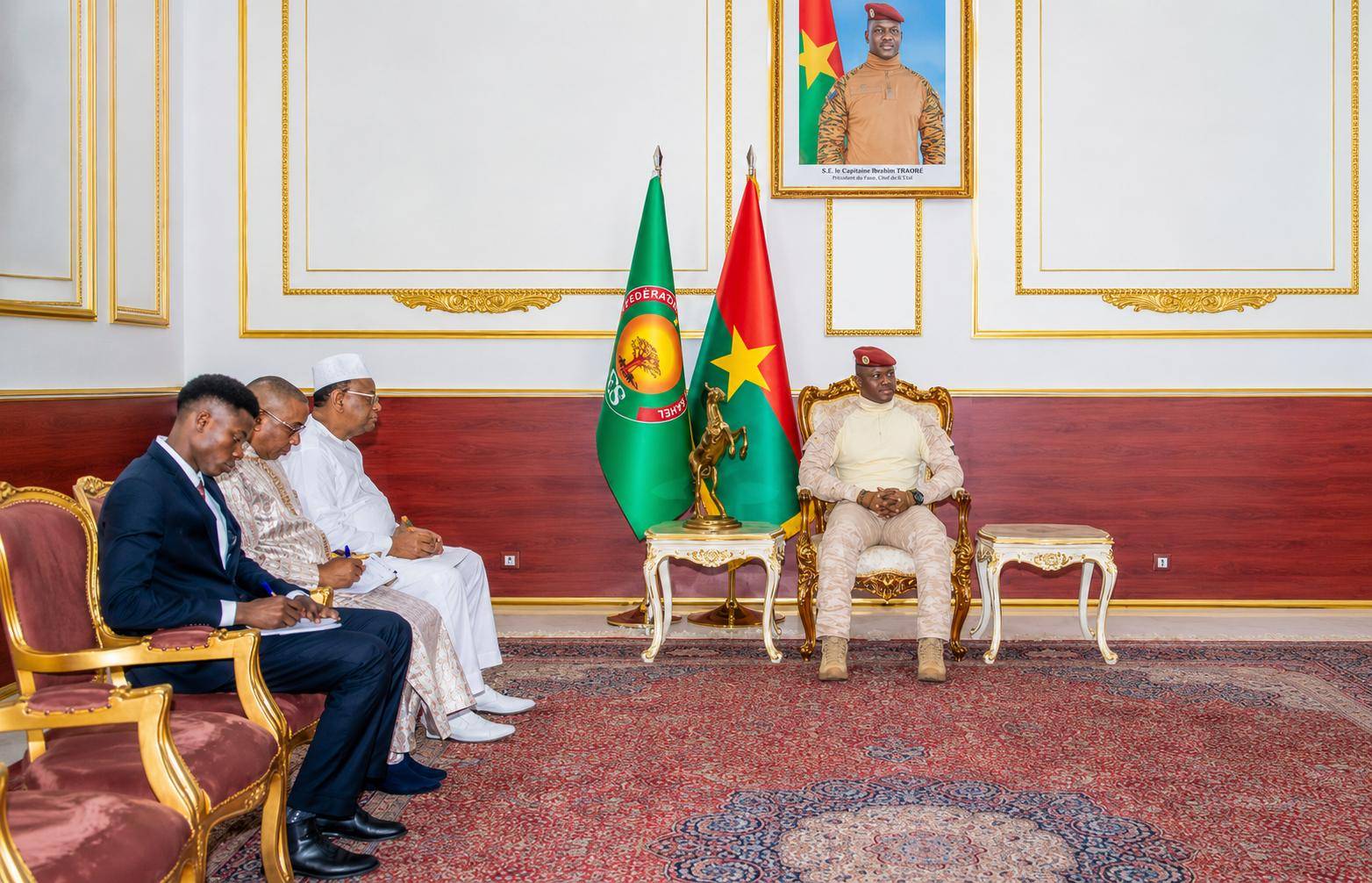
Lansana Kouyaté, the ECOWAS mediator for the Alliance of Sahel States (AES), recently concluded a visit to Ouagadougou to advocate for regional cooperation. His meeting with Captain Ibrahim Traoré underscored the urgency of dialogue, yet it also laid bare the deep skepticism surrounding such efforts. While geography does bind Burkina Faso, Mali, and Niger together, the historical pattern of broken promises by military regimes casts a long shadow over diplomatic initiatives.
Can dialogue survive the weight of broken promises?
The ECOWAS approach, though pragmatic in principle, faces a harsh reality: trust deficits are not easily bridged. The regional bloc’s insistence on dialogue is rooted in tangible concerns rather than idealism.
For landlocked nations like Niger, Burkina Faso, and Mali, over 70% of trade flows through the ports of ECOWAS coastal states. Cutting these ties abruptly would devastate economies already strained by terrorism and poverty. The bloc’s refusal to punish civilians for the actions of their leaders is a pragmatic stance, but one that risks being exploited by juntas prioritizing power over governance.
Security cooperation is equally critical. Terrorist groups operate across borders, ignoring political declarations. A fragmented approach to counterterrorism is not just ineffective—it’s dangerous. The ECOWAS push for coordinated security measures is a necessary counterbalance to the chaos gripping the Sahel.
Why skepticism outweighs optimism in Sahel diplomacy
The core issue isn’t the ECOWAS strategy—it’s the track record of the regimes it seeks to engage. Military transitions in Mali, Burkina Faso, and Niger were supposed to be temporary, with elections promised within 18 to 24 months. Instead, timelines have been discarded, and constitutional order remains indefinitely delayed under the pretext of security challenges.
International commitments: a pattern of reversal
The ECOWAS knows all too well the cost of negotiated agreements that are later abandoned. Treaties painstakingly built over decades have been discarded in favor of populist rhetoric, with junta-led governments dismissing regional accords as interference. Engaging with partners who treat international law as optional is akin to negotiating with shifting sands—no foundation is stable, and every concession risks emboldening further defiance.
The erosion of trust within Sahel societies
The most alarming breach of trust lies not in global diplomacy but in the daily lives of Sahel citizens. The juntas arrived promising security and governance reform, yet their rule has been marked by:
- Suspension of political parties and suppression of civil society.
- Censorship of independent media and persecution of dissent under the guise of national unity.
- Failure to curb violence despite shifting geopolitical alliances.
The fundamental contract between a state and its people—protection and freedom—has been systematically violated. When leaders prioritize consolidation of power over the welfare of their citizens, the very premise of dialogue becomes questionable.
Dialogue without accountability: a dangerous gamble
The ECOWAS is right to pursue dialogue as a last resort to prevent further destabilization. Sustaining economic and humanitarian ties is essential for survival in a region under siege by both militants and poverty.
Yet, this approach must not be a one-way street. For dialogue to have meaning, the regional bloc cannot afford to legitimize fait accompli situations or reward juntas for leveraging negotiations to entrench their authority. The ECOWAS must demand tangible, enforceable guarantees—not empty promises. Otherwise, this latest mediation effort will merely perpetuate a familiar cycle: hopeful talks followed by inevitable betrayal.