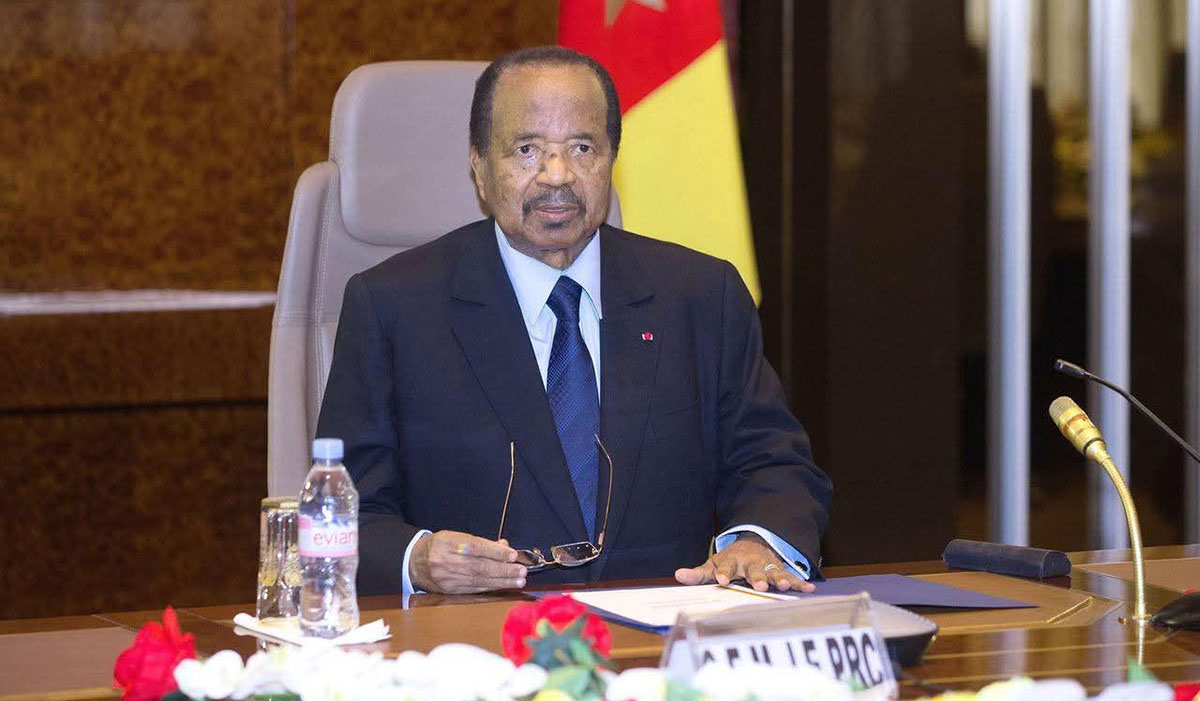
Why supporting President Paul Biya is vital for Cameroon’s stability
The June 29, 2026 announcement by the Finance Minister regarding the rehabilitation of the Sonara refinery has reignited debate over national leadership priorities. This bold statement follows a series of political maneuvers that demand closer examination.
Political tensions escalate around presidential succession
The June 29, 2026 media appearance by the Finance Minister regarding the rehabilitation of the Sonara refinery has thrust Paul Biya’s leadership back into the spotlight. Michel Njilo, a political observer, argues that this move places the Finance Minister at the center of succession discussions following claims in a recent analysis piece.
In an opinion piece for Construire Ensemble, Njilo suggests that the Finance Minister’s sudden prominence comes after what he describes as a deliberate smear campaign against Franck Biya. The article questions why major media outlets would target Franck Biya, pointing to claims about opposition from the Bulu elite and southern youth. However, Njilo contends that these narratives are designed to undermine a strong contender for the vice-presidency.
According to Njilo, before President Biya’s recent trip to Switzerland, two competing proposals for the vice-presidency and cabinet reshuffle were presented: one from the First Lady with the Deputy Central Committee Chair, and another from the Presidency’s General Secretariat. Rather than endorsing either, the President reportedly bypassed standard protocols for his departure, sparking speculation about his intentions.
Gold trafficking allegations against Franck Biya
Recent whistleblower claims, including those from Boris Bertolt, have accused Franck Biya of involvement in illegal gold trafficking. These allegations are framed as part of a broader effort to destabilize the regime ahead of key political decisions. Observers note that ongoing investigations into high-profile crimes, including the Martinez Zogo assassination and gold smuggling cases, are exposing powerful figures vying for influence.
Njilo warns that the prolonged delay in appointing a vice-president and cabinet reshuffle is creating security risks for the President. He highlights that after the Martinez Zogo scandal revealed alleged ties between the DSP (Presidential Guard) and businessman Amougou Belinga, President Biya has reportedly shifted security responsibilities to the BIR (Rapid Intervention Battalion). The BIR, an elite military unit, has been positioned within the Etoudi Palace, reinforcing national security protocols.
Njilo also reveals that following a canceled trip—prompted by intelligence from the U.S. Embassy—American security agencies, which monitor Cameroon closely, have reportedly advised President Biya to limit international travel for safety reasons. The involvement of U.S. officials, including CIA Director William Joseph Burns, in discreet meetings with Cameroonian intelligence suggests heightened international concern over potential instability without a clear succession plan.
In conclusion, Njilo emphasizes that despite rumors to the contrary, President Paul Biya remains firmly in control of all critical files. With factional battles intensifying, he stresses that the President’s security is paramount, as only he can ensure a peaceful transition and stability for Cameroon.
Be the first to comment
Comments