At the UN, the DRC highlights the connection between natural resources and armed conflicts
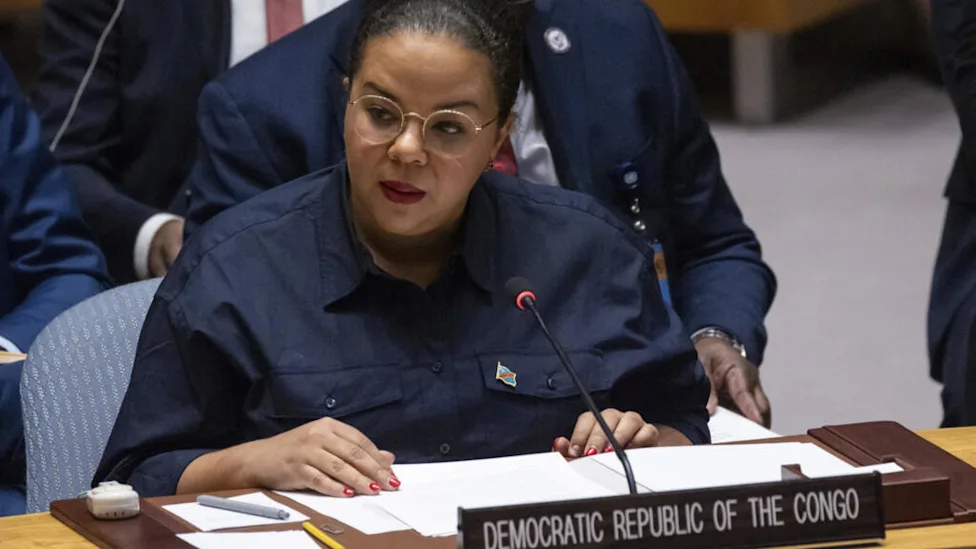
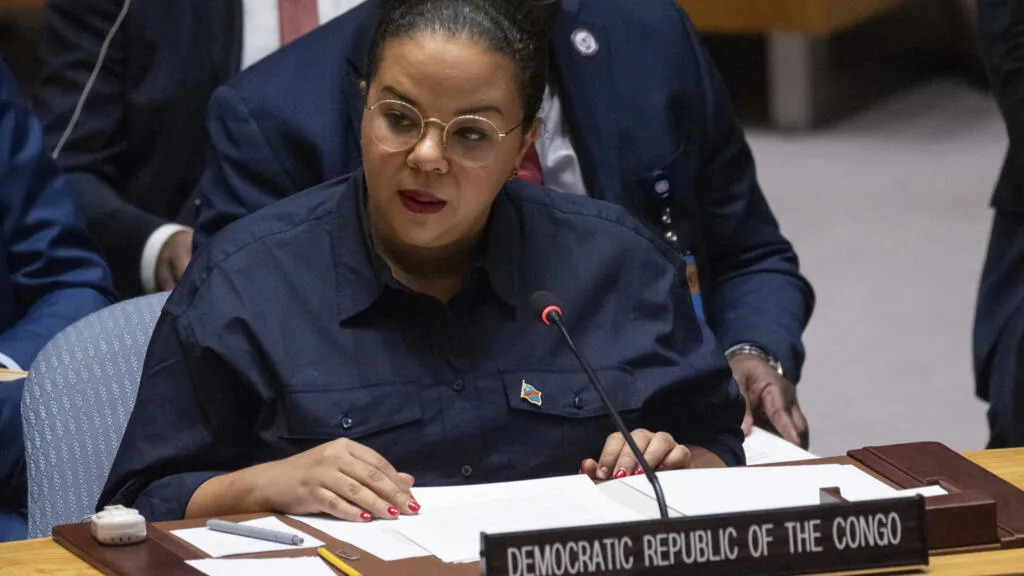
During a session at the United Nations Security Council, the Minister of Foreign Affairs of the Democratic Republic of the Congo, Thérèse Kayikwamba Wagner, emphasized the need to strengthen existing mechanisms rather than impose new international obligations. Her focus was on improving traceability, sanctions, and governance of natural resources.
She clarified that the goal was not to establish a global mining code or undermine the sovereignty of states over their natural resources.
France reiterated its stance by calling for the implementation of Resolution 2773 concerning eastern DRC. The country highlighted that armed groups such as M23 control between 15% and 30% of the world’s coltan production in Rubaya and urged stronger traceability and sanctions mechanisms.
Deep divisions emerge
The United States prioritized securing supply chains for critical minerals and investments in the sector to address the issue.
China, on the other hand, advocated for respecting state sovereignty and avoiding the politicization of the debate.
Russia took a firmer stance, rejecting the idea of a normative gap and attributing conflicts to political instability and external interference rather than a lack of international regulations.
These discussions underscored the stark differences in approaches among major powers regarding global governance of natural resources.