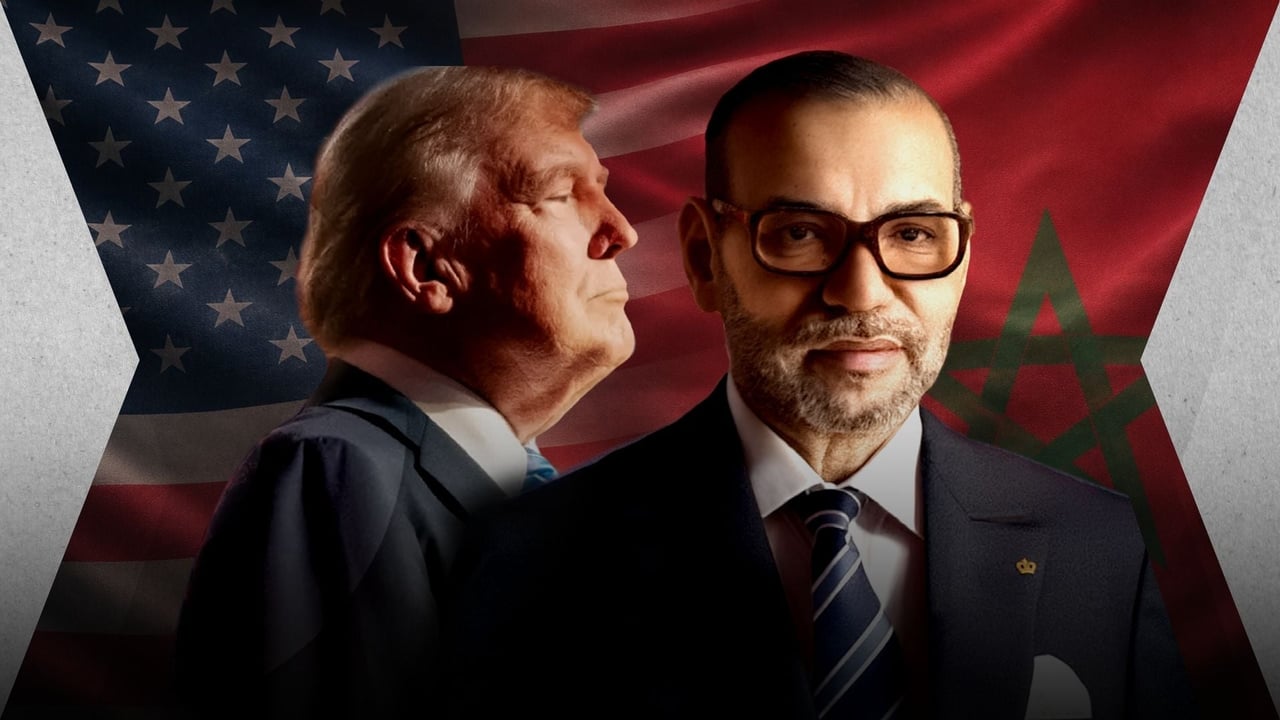
Two centuries of US-Morocco partnership: strategic interests in focus
In the heart of the Maghreb, Washington and Rabat have forged a durable alliance that has shaped both nations’ trajectories for over two hundred years. This enduring partnership, rooted in mutual interests, continues to evolve as global dynamics shift.
The foundations of this cooperation were laid in the late 18th century, when the United States recognized Morocco as the first sovereign nation to formally acknowledge its independence. This historical gesture established a framework for collaboration that has only strengthened over time, adapting to the challenges and opportunities of each era.
A partnership built on shared values and strategic vision
At its core, the US-Morocco alliance is anchored in principles of stability, economic growth, and regional security. These pillars have allowed the relationship to withstand geopolitical turbulence, from Cold War tensions to the rise of new global powers. Today, the partnership remains a cornerstone of both countries’ foreign policies, particularly in North Africa and beyond.
Trade relations between the two nations have flourished, with Morocco emerging as a key gateway for American businesses seeking to expand their footprint in Africa. The Morocco-US Free Trade Agreement, signed in 2004, has been a game-changer, facilitating billions in bilateral commerce and fostering innovation across sectors like agriculture, manufacturing, and technology.
Security cooperation: a bulwark against regional instability
The strategic alignment between Washington and Rabat extends deeply into defense and counterterrorism efforts. Morocco’s geopolitical location makes it a vital partner in combating extremism and illicit trafficking, while its military expertise has been leveraged in joint training exercises and intelligence-sharing initiatives. This collaboration has not only bolstered regional stability but also enhanced Morocco’s role as a trusted mediator in conflict resolution.
In recent years, the partnership has expanded to include energy security and climate resilience, reflecting the growing importance of sustainable development in bilateral agendas. Joint ventures in renewable energy, particularly solar and wind projects, underscore the commitment to a greener future while meeting the energy demands of a rapidly industrializing Morocco.
Cultural and educational exchanges: bridging continents
Beyond economics and security, the US-Morocco alliance is enriched by vibrant people-to-people ties. Educational exchanges, such as the Fulbright Program, have enabled thousands of Moroccan students to study in American universities, fostering cross-cultural understanding and professional networks. Meanwhile, cultural initiatives—from art exhibitions to music festivals—have celebrated the rich heritage shared by both nations, further cementing their bond.
As the world navigates an era of uncertainty, the US-Morocco partnership stands as a testament to the power of diplomacy and strategic foresight. With shared challenges such as migration, climate change, and economic inequality, the alliance is poised to play an even greater role in shaping a stable and prosperous future for both nations and the broader region.
This partnership continues to be a model of how historical ties and forward-looking policies can create lasting value for generations to come.