
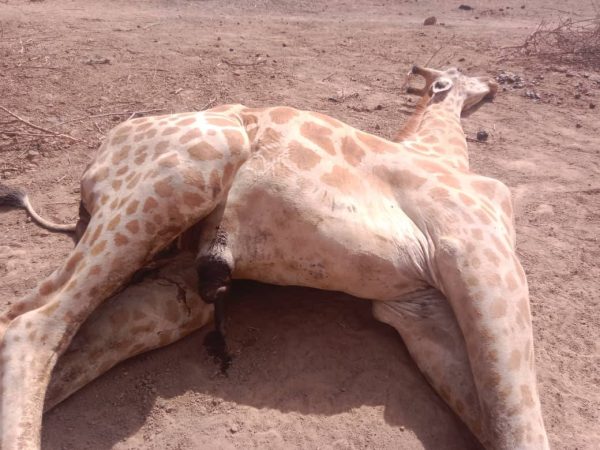
A young giraffe named Abagana, the first of its kind born in Niger’s Gadabedji Biosphere Reserve, passed away on May 16, 2026, after a rapid and preventable illness. His death underscores a persistent veterinary crisis threatening one of the West African nation’s most vital ecological and tourism assets.
Abagana was no ordinary giraffe. As the first calf born in Gadabedji, he symbolized the success of a bold reintroduction program and the promise of a thriving ecotourism sector in the region. His presence had drawn visitors and wildlife enthusiasts, making him a cherished figure in the reserve. Now, his loss leaves a void that resonates deeply among conservationists, park rangers, and the tourism community.
A preventable tragedy unfolds
The final hours of Abagana’s life were agonizing. The young giraffe suffered from a severe prolapse, a condition that left him unable to urinate and exposed to infection. Without access to urgent veterinary care, his suffering was prolonged, and his fate sealed. His demise is the second in recent months, following the loss of a female giraffe during a difficult birth—another preventable tragedy.
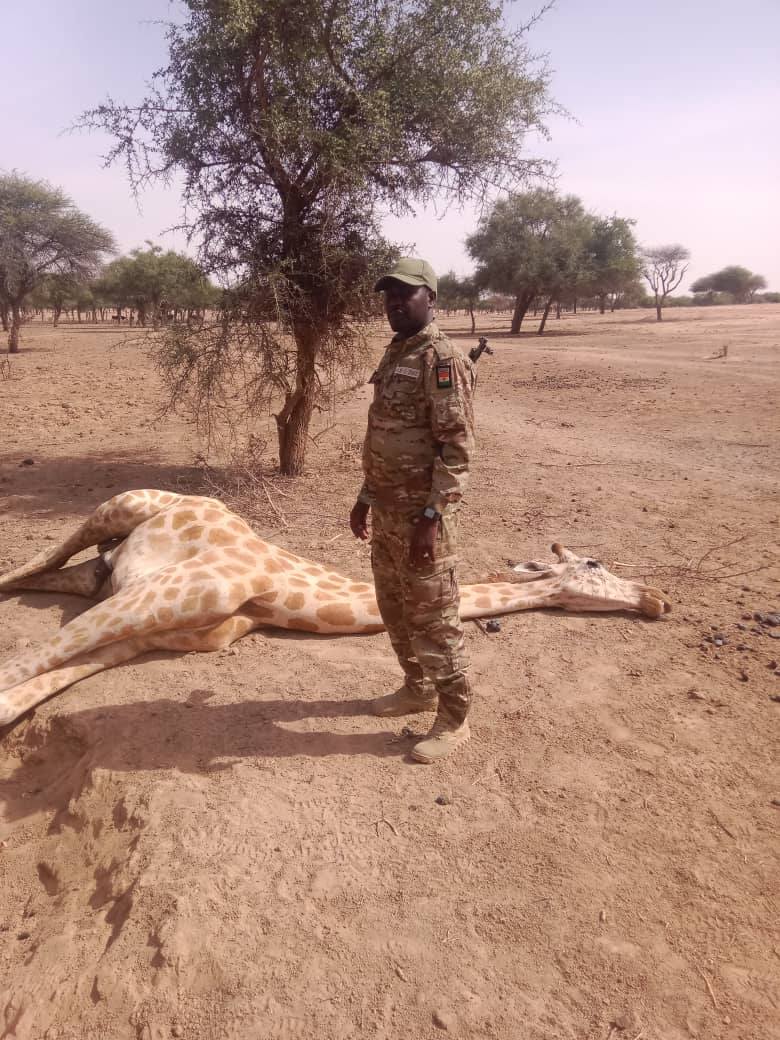
Rangers witness helplessly as wildlife vanishes
For the reserve’s forestry and wildlife agents, the pain is unbearable. They have watched helplessly as two giraffes—once symbols of hope for Niger’s conservation efforts—succumbed to treatable conditions. The absence of trained veterinary personnel and emergency protocols has left them powerless, forced to stand by as precious life slips away.
Demanding change: urgent need for veterinary training
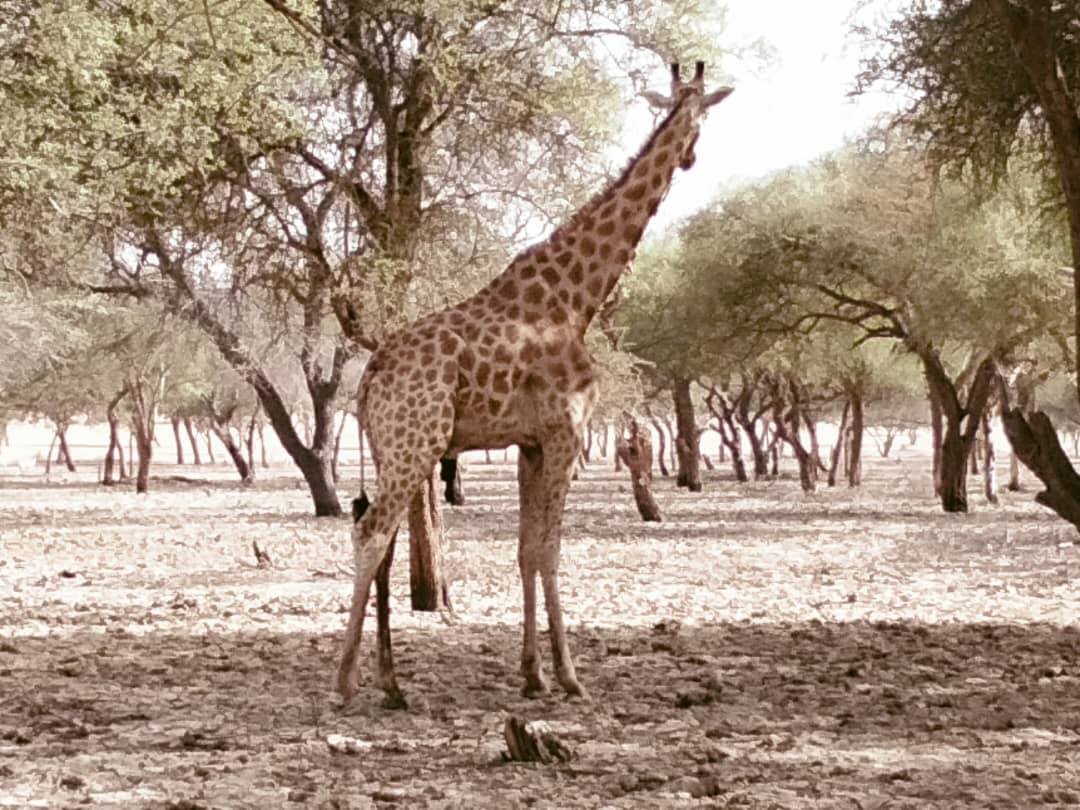
The loss of Abagana and other giraffes in Gadabedji is more than an ecological setback—it is a blow to Niger’s tourism economy. Each giraffe is a magnet for visitors, and their decline threatens the reserve’s appeal as a premier destination for wildlife lovers. The situation has sparked outrage among conservationists, who now demand immediate action from authorities.
« We stand by as our animals die, one after another, with no means to save them », laments a local wildlife expert familiar with the reserve’s challenges.
Experts warn that without rapid intervention, Niger risks losing its most iconic wildlife attractions. The call is clear: train local rangers in emergency veterinary care, establish rapid-response protocols, and equip the reserve with the tools needed to protect its precious inhabitants. The future of Gadabedji—and the nation’s tourism sector—hangs in the balance.
You may also like
Le carnet de Malian relance l’enquête sur la migration clandestine au Sénégal
Mamadi Doumbouya de retour à Conakry après une visite d’État en Côte d’Ivoire
Elversberg vs Bayern Munich: kick-off time, tv channel and team news
Gabon : l’association Force ouvre un espace de propositions pour la rentrée
Dakar 2026 : Diomaye Faye confie la flamme olympique à la jeunesse sénégalaise