
The third edition of the Biashara Afrika forum in Lomé took an unexpected turn when high-profile delegates encountered a stark reminder of Africa’s integration paradox. What began as a celebration of continental economic ambitions quickly transformed into a case study on how bureaucratic hurdles can derail even the most promising initiatives.
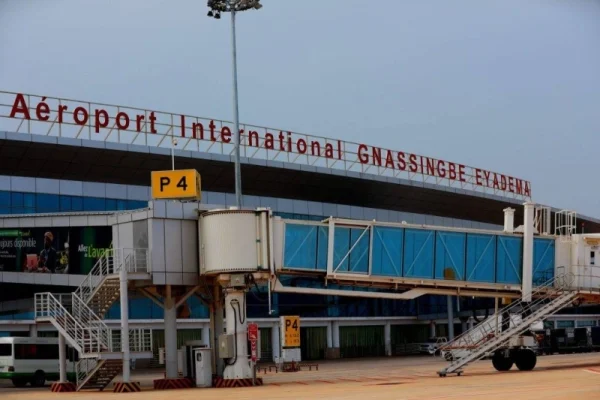
As delegates gathered to discuss the African Continental Free Trade Area (AfCFTA), a simple airport arrival exposed glaring inconsistencies in regional mobility policies. Two prominent investors—one from Nigeria and another from Ghana—found themselves barred from entering Togo, despite holding valid ECOWAS passports.
When regional passports fail at the border
The incident unfolded when the Nigerian Minister of Industry, Trade and Investment, Dr. Jumoke Oduwole, recounted the experience during her keynote address. The investors, fresh off a flight from Europe, were denied entry under Togo‘s strict visa policies—policies that stand in direct contrast to the ECOWAS free movement protocols established in the 1970s.
Faced with the humiliating choice between deportation and compliance, both men resorted to a last-minute workaround: presenting their European passports to secure temporary entry visas. The irony was not lost on the audience. As Dr. Oduwole noted, “A similar scenario would never unfold in Europe, where an African passport holder wouldn’t face such barriers within the EU.”
The minister’s revelation highlighted a troubling reality: for business travelers, a European passport often carries more weight than a regional one in Africa. The message was clear—despite decades of integration pledges, practical obstacles remain formidable.
The absurdity of integration in practice
For a nation positioning itself as a logistical and financial gateway in West Africa, the airport incident sent shockwaves through the forum. Visa restrictions on neighboring nations not only deter investment but also undermine the credibility of the AfCFTA itself. The spectacle of an African investor being forced to use a European passport to access an African capital underscored the fragility of the continent’s integration ambitions.
While ordinary citizens have long accepted border bureaucracy as part of travel, the incident exposed a stark double standard. Investors—who drive economic growth—are held to different rules than everyday travelers, raising critical questions about fairness and policy coherence.
Faure Gnassingbé’s 48-hour ultimatum
In a rare display of decisive leadership, Togo‘s President Faure Gnassingbé cut through diplomatic protocol to address the crisis head-on. Recognizing the damage to Togo‘s reputation as a business-friendly destination, he issued an immediate directive to the Minister of Security:
“I am giving the Minister of Security 48 hours to resolve this anomaly. The airport must reflect the spirit of the AfCFTA—not restrict it.”
The president’s swift response sent a strong signal to both domestic and international stakeholders. By setting a tight deadline coinciding with the forum’s conclusion, he ensured that the issue remained a top priority, with the world watching.
The airport incident at Biashara Afrika 2026 served as a wake-up call. It demonstrated that grand economic visions—like the AfCFTA—can crumble under the weight of outdated administrative practices. The lesson was clear: without harmonized border policies, even the most ambitious integration projects risk becoming hollow promises.
Free movement: the missing link in Africa’s economic dream
Economists and entrepreneurs at the forum were unanimous in their assessment. Ivory Coast-based economist Dr. Amara Koné remarked, “This is a wake-up call. Without free movement of people, the AfCFTA will remain an empty framework.” A Ghanaian entrepreneur added, “If investors must rely on European passports to do business in Africa, then integration is nothing more than rhetoric.”
The forum’s discussions shifted from theoretical debates to actionable solutions. Key proposals included:
- Streamlining visa policies across ECOWAS member states to align with free movement protocols.
- Digitizing border processes to reduce human error and corruption at checkpoints.
- Enforcing political will to bridge the gap between policy and practice.
For Togo, the airport incident became a turning point. The 48-hour deadline imposed by the president forced a rapid re-evaluation of immigration procedures, proving that even the most entrenched bureaucratic inefficiencies can be addressed when political will aligns with public accountability.
The Biashara Afrika 2026 forum may have been overshadowed by the airport scandal, but it also delivered a crucial reality check. Africa’s economic future depends not just on grand declarations but on the nitty-gritty of implementation. And as delegates departed Lomé, one lesson lingered: a single stamp at the border can carry more weight than a thousand speeches.
You may also like
Le carnet de Malian relance l’enquête sur la migration clandestine au Sénégal
Mamadi Doumbouya de retour à Conakry après une visite d’État en Côte d’Ivoire
Elversberg vs Bayern Munich: kick-off time, tv channel and team news
Gabon : l’association Force ouvre un espace de propositions pour la rentrée
Dakar 2026 : Diomaye Faye confie la flamme olympique à la jeunesse sénégalaise