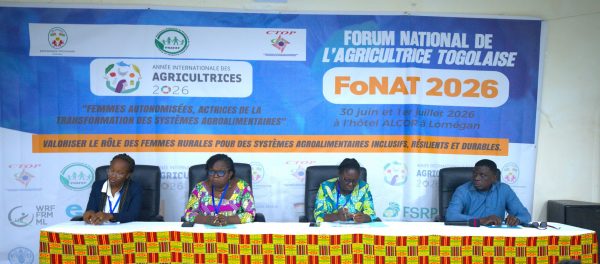
Hundreds of women farmers in Lomé are rallying behind a bold agenda to reshape agricultural policies and amplify their voices in Togo’s food security and economic growth.
Lomé gathering spotlights women’s role in farming transformation
From June 30 to July 1, 2026, the capital city hosted the National Forum of Togolese Women Farmers (FoNAT 2026), a landmark event convened to address long-standing barriers faced by women in agriculture. Despite contributing significantly to food production, rural women still struggle with limited access to land, financial resources, and modern farming technologies.
Breaking down barriers to economic empowerment
Discussions at the forum highlighted critical challenges that continue to hinder rural women’s progress. Key concerns include:
- Land ownership rights – Legal, cultural, and financial hurdles restrict women’s ability to secure and invest in land.
- Access to financing – Many women farmers lack the capital needed to scale up operations or adopt new technologies.
- Climate adaptation – Changing weather patterns disproportionately affect women’s livelihoods, requiring innovative solutions.
- Product transformation & market access – Opportunities to add value to crops and connect with buyers remain underdeveloped.
Participants emphasized that overcoming these barriers is essential for boosting their economic independence and strengthening Togo’s food systems.
Showcasing local innovation and entrepreneurship
A dedicated exhibition during the forum gave women-led agribusinesses a platform to display their products. The mini-fair not only promoted locally made goods but also facilitated direct trade between producers, buyers, and development partners. This initiative underscores the transformative potential of women’s enterprises in the agricultural sector.
Global backing for local change
The FoNAT 2026 initiative has garnered support from international organizations, including the Food and Agriculture Organization (FAO), the World Rural Forum, and the German Agency for International Cooperation (GIZ). These partners are helping to align the forum’s outcomes with broader agricultural and gender policies aimed at enhancing rural resilience.
With agriculture remaining a cornerstone of Togo’s economy, the forum’s organizers are pushing for policy shifts that recognize and invest in women’s contributions. Strengthening their role is seen as vital for food security, income generation, and climate resilience across the country.