
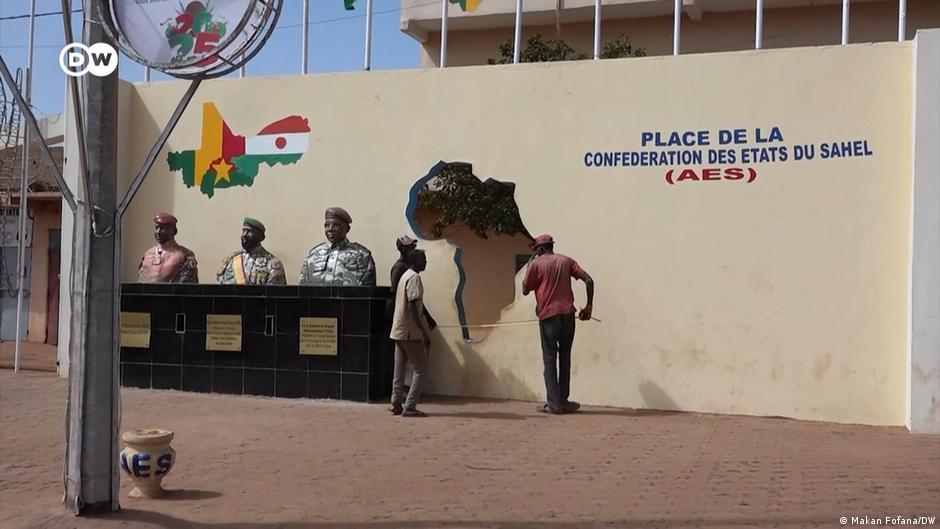
On Saturday, April 18, Togo announced its ambition to act as a diplomatic “bridge” connecting the international community with Mali, Niger, and Burkina Faso. These nations, currently governed by military administrations, continue to face significant challenges from jihadist insurgency groups.
According to Robert Dussey, the Togolese Minister of Foreign Affairs, launching this second phase of the national strategy for the Sahel is a vital necessity. He noted that the region has evolved into a center for terrorist activity, which poses a direct risk to the equilibrium of the entire West African area.
The three pillars of Togo’s regional security approach
The head of Togolese diplomacy outlined the new policy through three primary objectives. First, the plan focuses on maintaining regional cooperation to safeguard peace and security. Second, Lomé intends to play a central role in establishing the necessary conditions for lasting peace. Finally, Togo plans to provide support for political normalization processes in countries where civilian governments were replaced by military rule.
Jean Emmanuel Gnagnon, a researcher at the University of Lomé and specialist in crisis management, offers a positive assessment of these efforts: “Togo has managed to restrict the southward advancement of armed factions and prevented the long-term establishment of terrorist cells on its soil. It has also bolstered its security footprint within the sub-region. Compared to neighboring states, the efforts to stop the ‘contagion effect’ in Togo appear relatively effective.”
However, the academic admits that while previous strategies did not fully resolve the underlying crisis, they allowed Togo to gain critical time and improve its defensive capabilities to prevent more dire outcomes.
Mixed reviews from political observers
In contrast, political scientist Madji Diabakaté expresses significant doubt regarding Togo‘s capacity to facilitate regional reconciliation. He suggests that Lomé‘s diplomatic ambitions might be disproportionate to its actual influence.
“The enthusiasm of Togolese diplomacy regarding the Sahel issue reminds me of the fable where a frog tries to match the size of an ox,” Diabakaté remarked. He argued that since the military coups took place, neither the security situation nor the transition back to democratic governance has seen meaningful progress. From his perspective, Togo‘s actions have served more to weaken ECOWAS by providing a support system for the states at the heart of the crisis.
This skepticism is shared by a segment of the Togolese population who believe the government should focus on resolving internal political tensions before offering mediation services to the wider region. Despite these criticisms, Minister Robert Dussey maintains that Togo continues to foster constructive partnerships with both regional and international actors, guided by shared interests.
You may also like
Bénin et Émirats arabes unis renforcent leur coopération militaire
Did Togo really spend two million dollars on a symbolic un map?
Did billions vanish from the vaults of the Special Criminal Court in Cameroon?
Why are Bénin’s amazones celebrating a historic handball triumph in Ouagadougou?
Niger’s official narrative masks deep fractures within the ruling junta