West Africa education update
Tchad explores digital education strategies with UNESCO study mission in Yaoundé
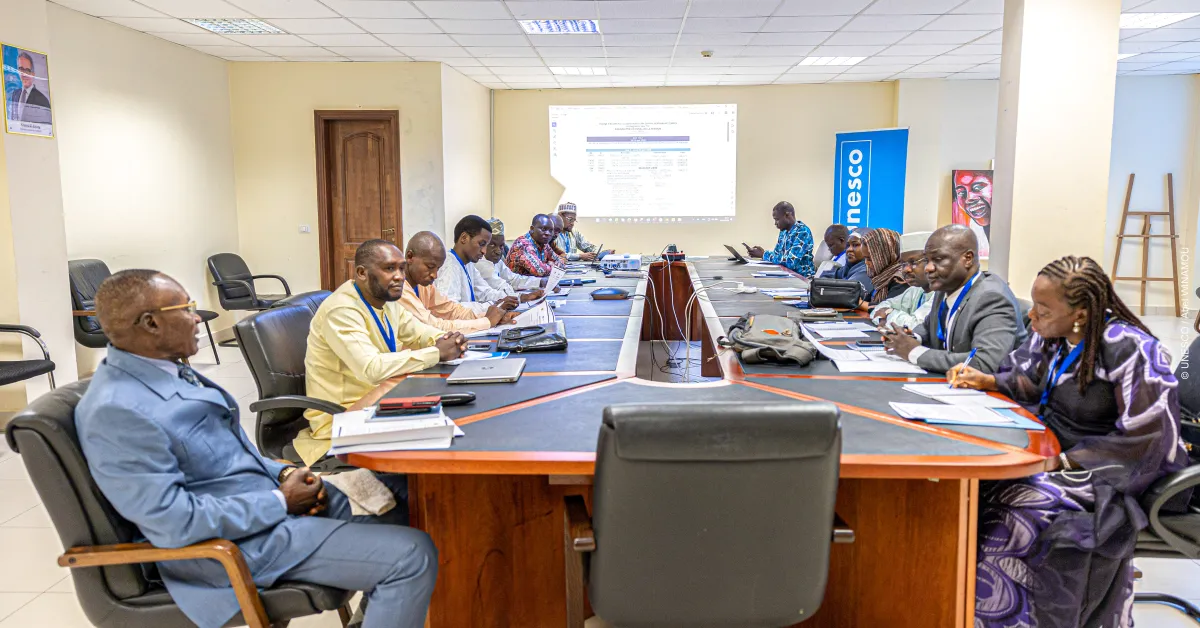
Between April 20 and 24, 2026, a high-level study mission focused on integrating Information and Communication Technologies (ICT) into education systems took place in Yaoundé. This initiative represents a key milestone in the Republic of Tchad’s efforts to modernize its education framework and ensure universal access to quality, inclusive learning opportunities.
The mission aligns with Tchad’s strategic national priorities, including the 2022–2026 National Development Plan, the « Tchad Connexion 2030 » vision, the National Teacher Policy (PNET), and the Tchad School Rebuilding Program (PRET). These initiatives are supported by the Global Partnership for Education and implemented with technical assistance from UNESCO and UNICEF.
Despite significant structural challenges, the integration of ICT has emerged as a critical driver for improving teaching quality, expanding educational access, and strengthening governance in Tchad’s education sector. The PRET aims to implement gradual digital transformation through practical, accessible, and locally adaptable technological solutions.
To achieve this, Tchad’s Ministry of National Education and Civic Promotion organized this learning mission, leveraging Cameroon’s proven expertise in digital education across both formal and non-formal sectors.
The mission’s program included institutional meetings, technical visits, and collaborative workshops with Cameroonian education stakeholders. At the Ministry of Basic Education (MINEDUB), a technical session brought together specialized departments, academic partners, and key institutions to examine Cameroon’s ICT integration model in depth.
Discussions covered pedagogical approaches, curriculum development, organizational frameworks, and infrastructure needs. Special attention was given to teacher training mechanisms, digital tools deployed, institutional coordination strategies, and partnerships supporting the education system’s digital transformation.
This mission followed a structured methodology combining document reviews, stakeholder interviews, field observations, and collaborative working sessions. The goal was to identify success factors, document transferable practices, and tailor solutions to Tchad’s unique context.
The anticipated outcomes include a comprehensive mission report, actionable recommendations, and a priority action plan to guide Tchad’s ICT integration journey in education.
regional cooperation for resilient education systems
This initiative underscores the UNESCO Regional Office’s role as a catalyst for innovation and cooperation among Central African states. It also contributes to a broader regional movement aimed at establishing sustainable mechanisms for sharing best practices across Sub-Saharan education systems.
By fostering mutual learning and adapting proven solutions, this mission strengthens educational resilience and accelerates digital-era transformation across the region.
Related Posts
Michael Olise to Real Madrid: a record-breaking 222 million euro move on the horizon?
Michael Olise is currently lighting up the international stage during his debut World Cup appearance with the France national team.…
After 25,000 tonnes of Russian wheat, Burkina Faso faces a food sovereignty reckoning
The official narrative and the reality on the ground have rarely been so far apart. On Wednesday, September 23, 2026,…

Senegal stripped of afcon 2025 title as Morocco awarded victory amid corruption claims
In a stunning reversal, the Confederation of African Football (CAF) has awarded the 35th Africa Cup of Nations title to…