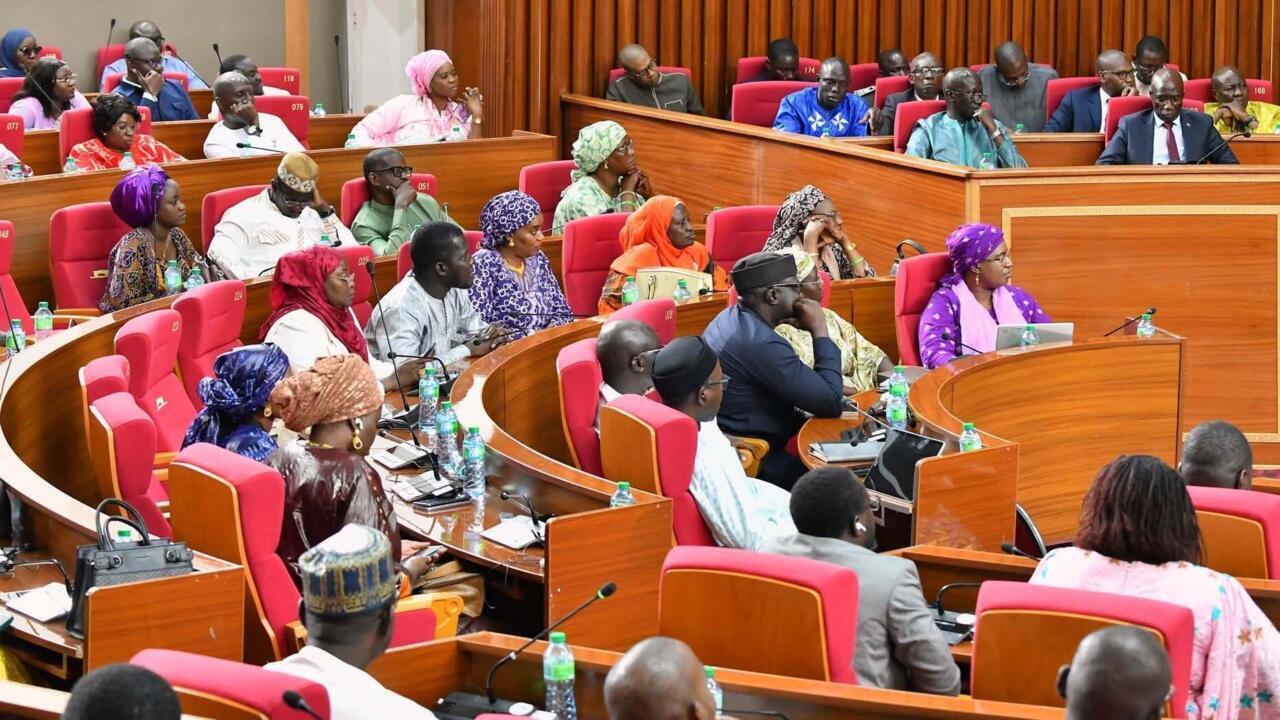
Senegal’s Parliament has successfully passed a significant new piece of legislation, championed by the ruling Pastef parliamentary majority. This law mandates a dual asset declaration system for the nation’s highest officials, requiring them to disclose their financial holdings not only at the commencement of their term but also at its conclusion. This pivotal development raises immediate questions regarding its application to the three prominent figures currently holding office. Furthermore, legal observers recall that a similar provision was previously integrated into a constitutional revision proposal, which was ultimately rejected by the constitutional council. All eyes are now on President Bassirou Diomaye Faye, as his decision to promulgate this law will determine its ultimate fate.
Political analysts and legal experts are closely examining the ramifications of this legislative move. The new law aims to bolster transparency and accountability within Senegal’s governance, a key promise of the current administration. However, its practical implementation faces several hurdles, particularly concerning its retroactive application and the constitutional precedent set by the prior rejection of a similar measure.
The debate extends to whether the three highest-ranking officials currently in power will be subject to this new end-of-mandate declaration. This question is crucial, as the law’s effectiveness in promoting integrity hinges on its comprehensive and equitable application. The constitutional council’s previous decision to censor a comparable provision, embedded within a broader constitutional revision, adds a layer of complexity. This historical context suggests potential legal challenges and scrutinies that the new law might encounter.
Ultimately, the decision rests with President Bassirou Diomaye Faye. His promulgation of the law will signal a strong commitment to the transparency agenda, yet it must navigate the intricate legal and political landscape to ensure its full and legitimate enforcement across all levels of high authority in Senegal.