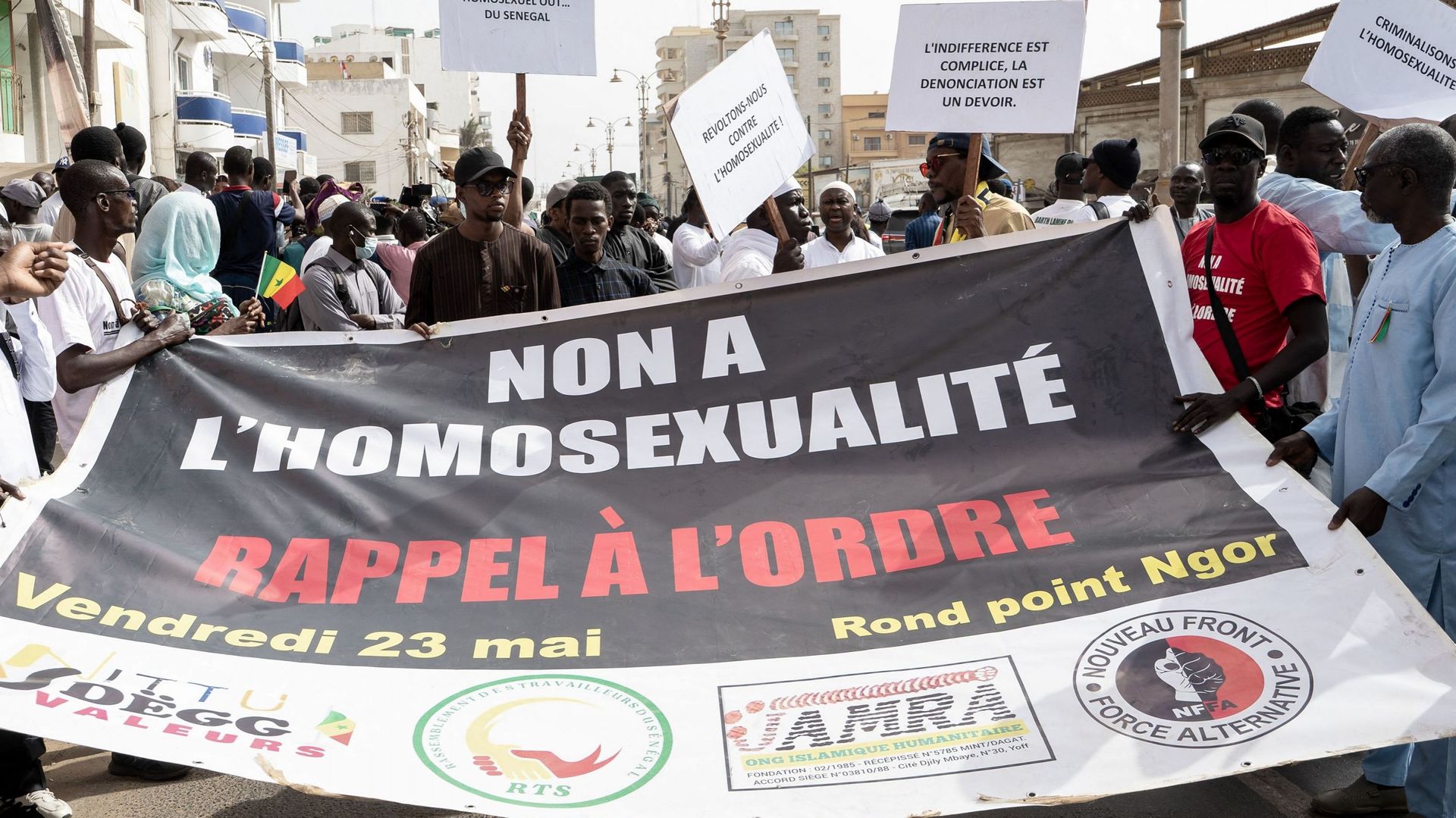
In Dakar, a wave of intensified persecution against LGBTQ+ individuals has taken hold, marked by the recent enactment of a sweeping new law that dramatically escalates penalties for same-sex relationships. As global celebrations of Pride Month unfold, the contrast between Senegal’s legal crackdown and international progress on human rights could not be more stark.
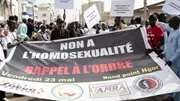
The legislation, championed by President Bassirou Diomaye Faye and Prime Minister Ousmane Sonko as a measure of “national sovereignty,” has transformed a previously existing legal framework into one of Africa’s most draconian anti-LGBTQ+ statutes. Maximum prison sentences for “unnatural acts” have doubled from five to ten years, while fines have surged tenfold, now reaching up to 10 million West African CFA francs—equivalent to more than €15,000. The bill passed unanimously in the National Assembly on March 11, 2026, with all 135 legislators voting in favor, leaving no room for dissent.
From legislative decree to mob violence
The immediate consequences have been devastating. Within weeks of the law’s passage, over a hundred individuals suspected of homosexuality were detained. Many now live in constant fear of vigilante justice, with some preferring imprisonment to the risk of being targeted by violent crowds. One young man shared his harrowing experience: “You’re always thinking someone could come for you. You have to hide. Living in constant fear isn’t a life.“
This climate of fear has been deliberately stoked by religious and political leaders. Imam Babacar Sylla, president of the influential religious group And Sàmm Jikko Yi, has publicly labeled LGBTQ+ individuals as a “public danger,” claiming without evidence that they “deliberately spread disease.” His rhetoric, echoed by government officials, frames homosexuality as a “Western import” incompatible with Senegalese values—a narrative used to divert attention from economic struggles and consolidate power.
Healthcare and freedom under siege
The repercussions extend far beyond arrests. The International Federation for Human Rights (FIDH) has warned that such legislation doesn’t protect anyone—it exposes already vulnerable individuals to arbitrary violence, humiliation, and discrimination. The law criminalizes not only same-sex relationships but also any form of advocacy or support for LGBTQ+ rights, effectively silencing public discourse on the issue.
Healthcare services are collapsing under the strain. “People are terrified of carrying condoms or lubricants, fearing they’ll be used as evidence against them. HIV testing rates have plummeted, and those who test positive face insurmountable barriers to treatment.” This regression threatens decades of progress in public health, leaving countless lives at risk.
The situation in Senegal reflects a broader, troubling trend across Africa, where 31 of the continent’s 54 nations criminalize homosexuality. While countries like Uganda and Nigeria are notorious for their severe anti-LGBTQ+ laws, Senegal—once seen as a bastion of stability—has now joined their ranks. For those affected, exile or silence are often the only viable options left.