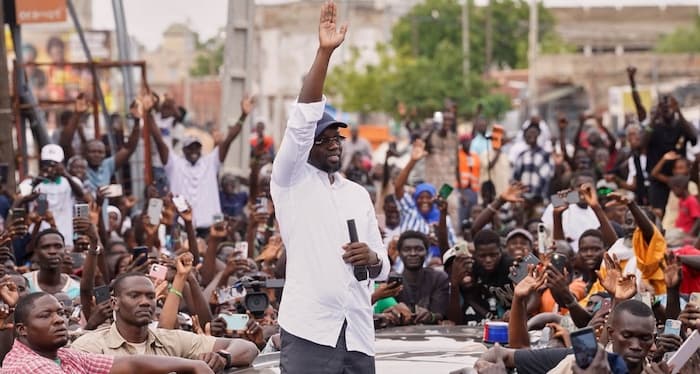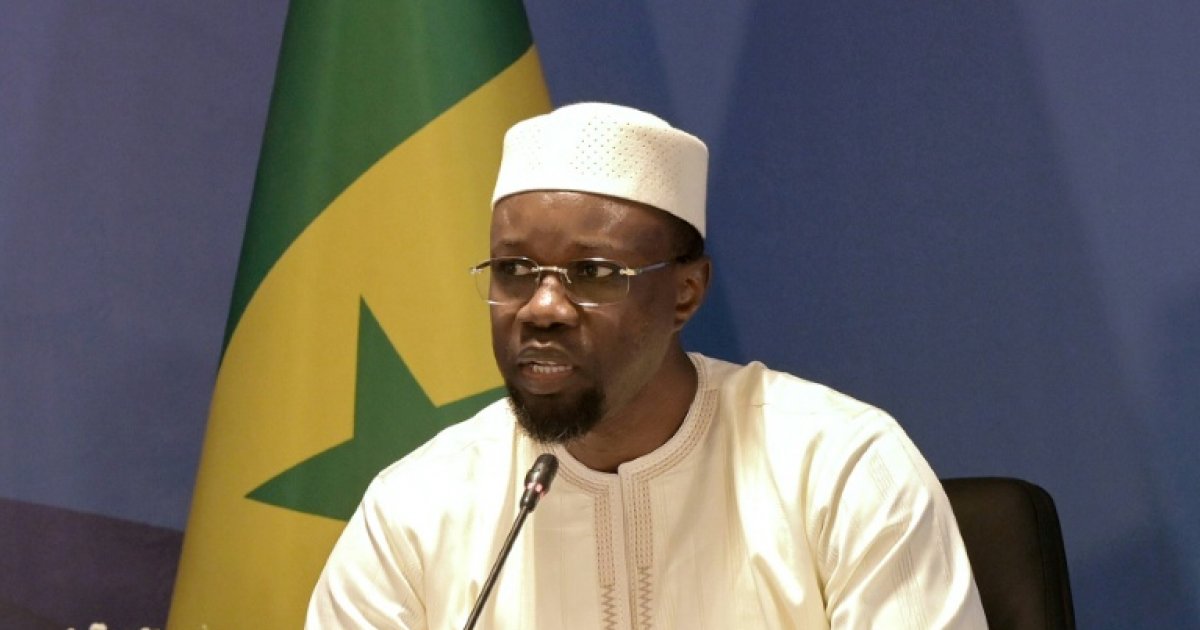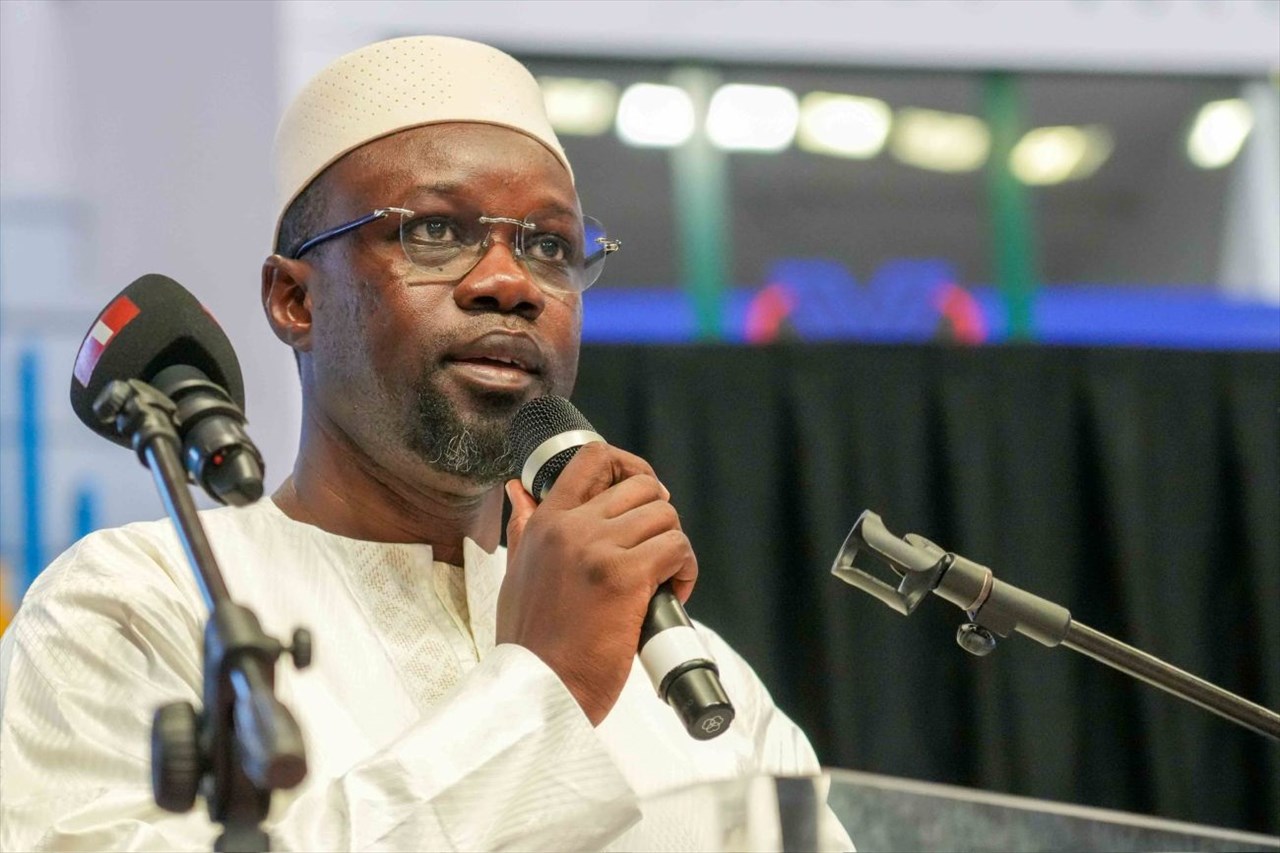

The political landscape in Sénégal remains in turmoil as a dramatic turn of events reshapes the balance of power. Just 48 hours after Prime Minister Ousmane Sonko was removed from office, the country woke up to another bombshell: Malick Ndiaye, President of the Assemblée nationale, announced his resignation from the leadership role on Sunday, May 25. The decision followed an emergency meeting within his party, Pastef.
In a heartfelt statement shared on social media, Ndiaye explained his choice with deep conviction: “After careful reflection, guided by a sense of duty and the supreme interests of the Nation, I have decided to step down as President of the National Assembly of Sénégal. This decision is driven by my unwavering belief in the integrity of institutions, public accountability, and the greater good of our country.”
Ndiaye, who previously held the second-highest position in the state, reflected on his tenure, highlighting his efforts to strengthen parliamentary institutions, enforce transparency, and elevate the profile of Sénégal’s legislative body on both national and international stages. His departure marks a significant shift in the political chessboard.
The same day, the Assemblée nationale reinstated Ousmane Sonko as a deputy, setting the stage for a leadership vote on May 26. With Pastef holding a strong parliamentary majority, all signs point to Sonko emerging as the new Assembly President. The rapid transition—from dismissed Prime Minister to potential second-in-command of the state—underscores the volatility of the current political climate.
With local elections looming and the 2029 presidential race on the horizon, the power struggle in Sénégal is intensifying. The once-dominant duo of Bassirou Diomaye Faye and Ousmane Sonko now faces a new dynamic, where alliances, power plays, and strategic moves will dictate the nation’s political trajectory.
A critical question lingers: will President Bassirou Diomaye Faye exercise his constitutional right to dissolve the National Assembly once the mandatory period expires in December? Meanwhile, the nation holds its breath, awaiting the appointment of a new Prime Minister tasked with forming a government amid heightened political tensions.