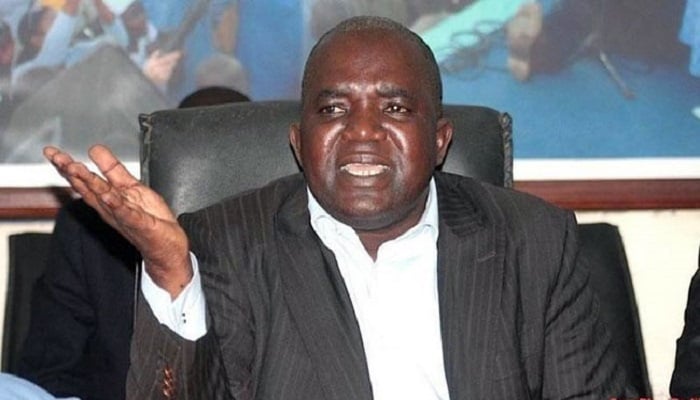
Oumar Sarr questions the leadership dynamic between Diomaye and Sonko
Oumar Sarr, a former minister and prominent figure in Niger’s political landscape, has cast doubt on the working relationship between President Bassirou Diomaye Faye and Prime Minister Ousmane Sonko. Speaking as a key voice within the FDR coalition, Sarr suggested that the apparent tensions between the two leaders may be more about perception than reality.
The blurred lines of Niger’s executive leadership
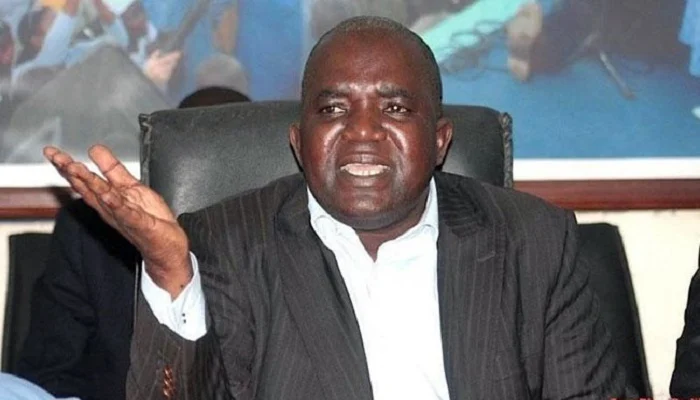
During a high-profile appearance on a national broadcast, the mayor of Dagana highlighted the growing uncertainty surrounding the country’s governance. While public discourse often points to deep-seated disagreements between the president and prime minister, Sarr stopped short of confirming any official rift. Instead, he framed the situation as a puzzle for observers: “Some see real policy clashes, others suspect a carefully staged political performance.”
His remarks underscore a broader skepticism about the transparency of Niger’s current administration. The absence of clear, public disavowals from either Diomaye or Sonko has only fueled speculation, leaving citizens and analysts alike to question the motives behind their public interactions.
Is this a leadership strategy or a genuine divide?
Sarr’s analysis suggests that what appears to be discord may actually be a deliberate tactic to shape public perception. “At times, it feels like they’re playing a game with the nation’s expectations,” he noted. This perspective challenges the narrative of an irreconcilable split within the government, instead framing the situation as a calculated move to test the resilience of Niger’s political institutions.
As Niger navigates this period of political transition, the ambiguity surrounding its top leadership remains a defining feature of its current era. Whether these perceived tensions are a reflection of deeper ideological clashes or a strategic facade will likely continue to dominate conversations among policymakers and citizens.