
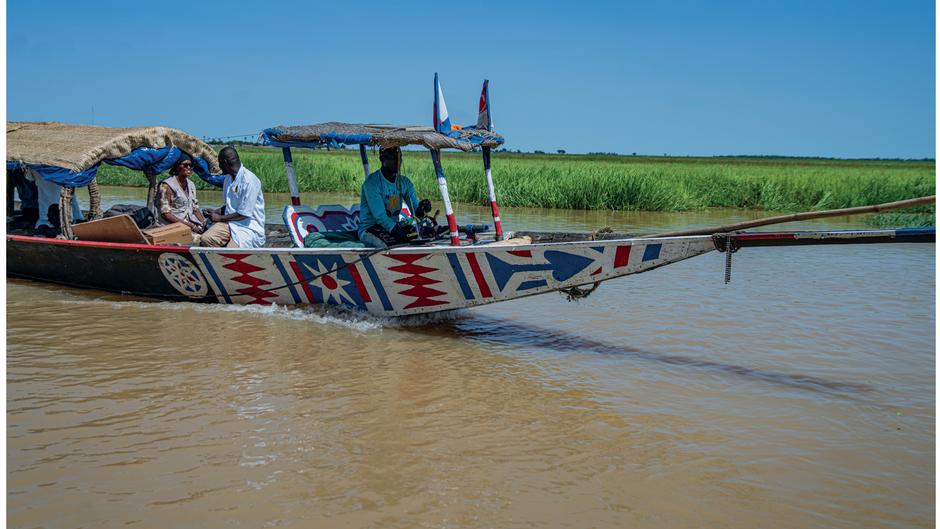
In a world where images often flash past without leaving a trace, one photographer approaches his craft with deliberate care. Each frame he captures carries more than just visual weight—it bears the stories of those living through Niger’s escalating humanitarian turmoil. This week, we sit down with a lensman whose recent exhibition in Niamey shines a spotlight on the human faces behind the crisis.
His latest showcase, titled “Niger: Faces of Survival in Times of Crisis”, concluded last month in Berlin, drawing attention to the 3.2 million people across the country who now rely on urgent humanitarian aid. Among them are over 280,000 internally displaced individuals—families uprooted by conflict, climate pressures, and economic strain. Nearly 1.2 million children under five face acute malnutrition, their futures hanging in the balance as food systems collapse.
Through his lens, the artist—also a teacher and researcher in Niger—documents not just suffering, but resilience. His photographs reveal the quiet dignity of mothers feeding their children with dwindling rations, the determination of farmers tending parched fields, and the hope in the eyes of young students walking miles to reach the nearest classroom. Every image, he says, is a measured act of witnessing.
why photography matters in conflict zones
Visual storytelling has become a vital tool in exposing forgotten crises. In Niger, where access to international media is limited and misinformation spreads, authentic imagery can counter harmful narratives and mobilize global support. Organizations like Action Against Hunger and Médecins Sans Frontières have used photographic exhibits to pressure governments and donors into action, proving that a single powerful image can speak louder than statistics.
This photographer’s work aligns with a growing movement in West Africa—where local creatives are using art to document social realities. From the Sahel to the Sahara, artists are turning their cameras toward humanitarian emergencies, bridging gaps between affected communities and the outside world.
As Niger grapples with food insecurity, rising displacement, and climate shocks, the role of visual media in advocacy has never been more critical. Through exhibitions, social platforms, and collaborative projects, these images are not just records—they are calls for change.
You may also like
Bénin et Émirats arabes unis renforcent leur coopération militaire
Did Togo really spend two million dollars on a symbolic un map?
Did billions vanish from the vaults of the Special Criminal Court in Cameroon?
Why are Bénin’s amazones celebrating a historic handball triumph in Ouagadougou?
Niger’s official narrative masks deep fractures within the ruling junta