
The newly established Committee for Public Policy Evaluation (CEPP) is tasked with meticulously structuring, guiding, and monitoring parliamentary assessments of public policies. This crucial mandate aims to significantly enhance the oversight of public initiatives and improve the overall effectiveness of implemented strategies across Senegal.
The National Assembly of Senegal has inaugurated a pivotal phase in strengthening parliamentary control. On Friday, August 21, 2026, deputies convened for the inaugural session of the Committee for Public Policy Evaluation (CEPP), marking its official establishment and the election of its leadership Bureau.
This formal launch represents a momentous occasion in Senegalese parliamentary affairs. The evaluation of public policies, a provision enshrined in the 2016 constitutional revision, is now fully operational within the National Assembly. The CEPP’s core mission involves designing, executing, and tracking parliamentary evaluations of public policies, thereby reinforcing the accountability of public action and optimizing the impact of governmental programs.
Composition of the public policy evaluation committee
The committee comprises key legislative figures, including the President of the National Assembly, the heads of parliamentary groups, the representative for non-registered deputies, the presidents of the 14 standing committees, and an additional nine deputies along with their alternates. These members are selected proportionally from the officially constituted parliamentary groups, with consideration given to proposals from non-registered deputies.
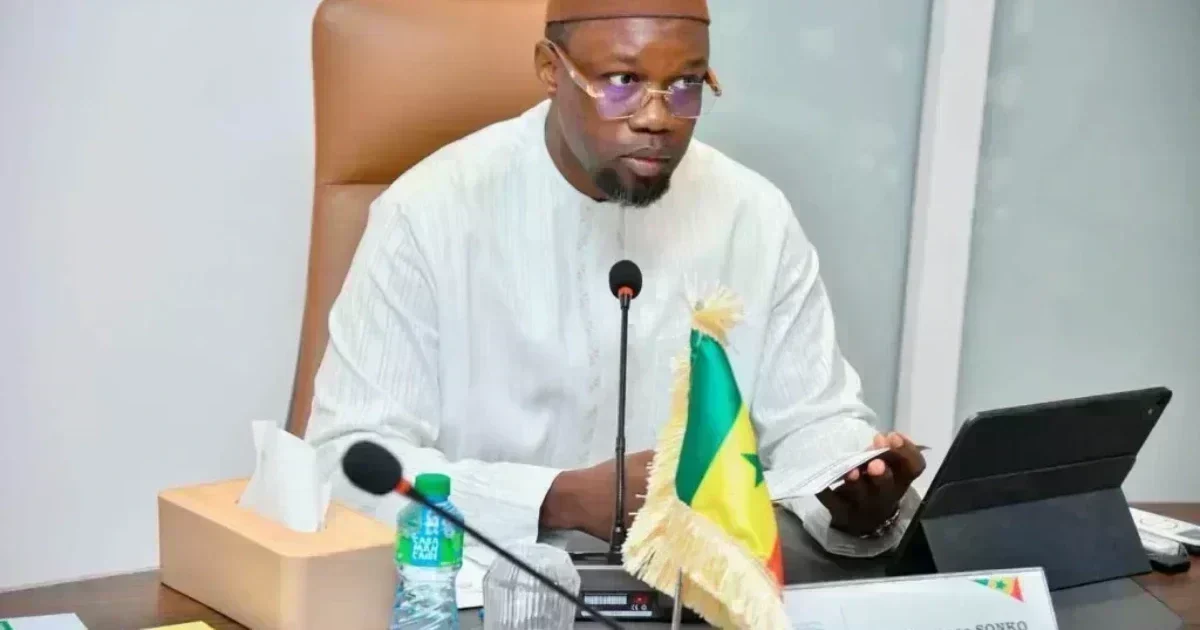
Following its inaugural meeting, the Bureau of the CEPP was officially formed. Ousmane Sonko, who also serves as the President of the National Assembly, will lead the committee as its president. He is supported by Mohamed Sall, designated as the first vice-president, and Djimo Souaré, who assumes the role of second vice-president. Béatrice Germaine Faye has been appointed as the first secretary, while Adama Diallo will serve as the second secretary.
With the formal establishment of this committee, the National Assembly is poised to give tangible expression to the parliamentary evaluation of public policies, thereby solidifying its essential role in scrutinizing government actions and ensuring robust governance.