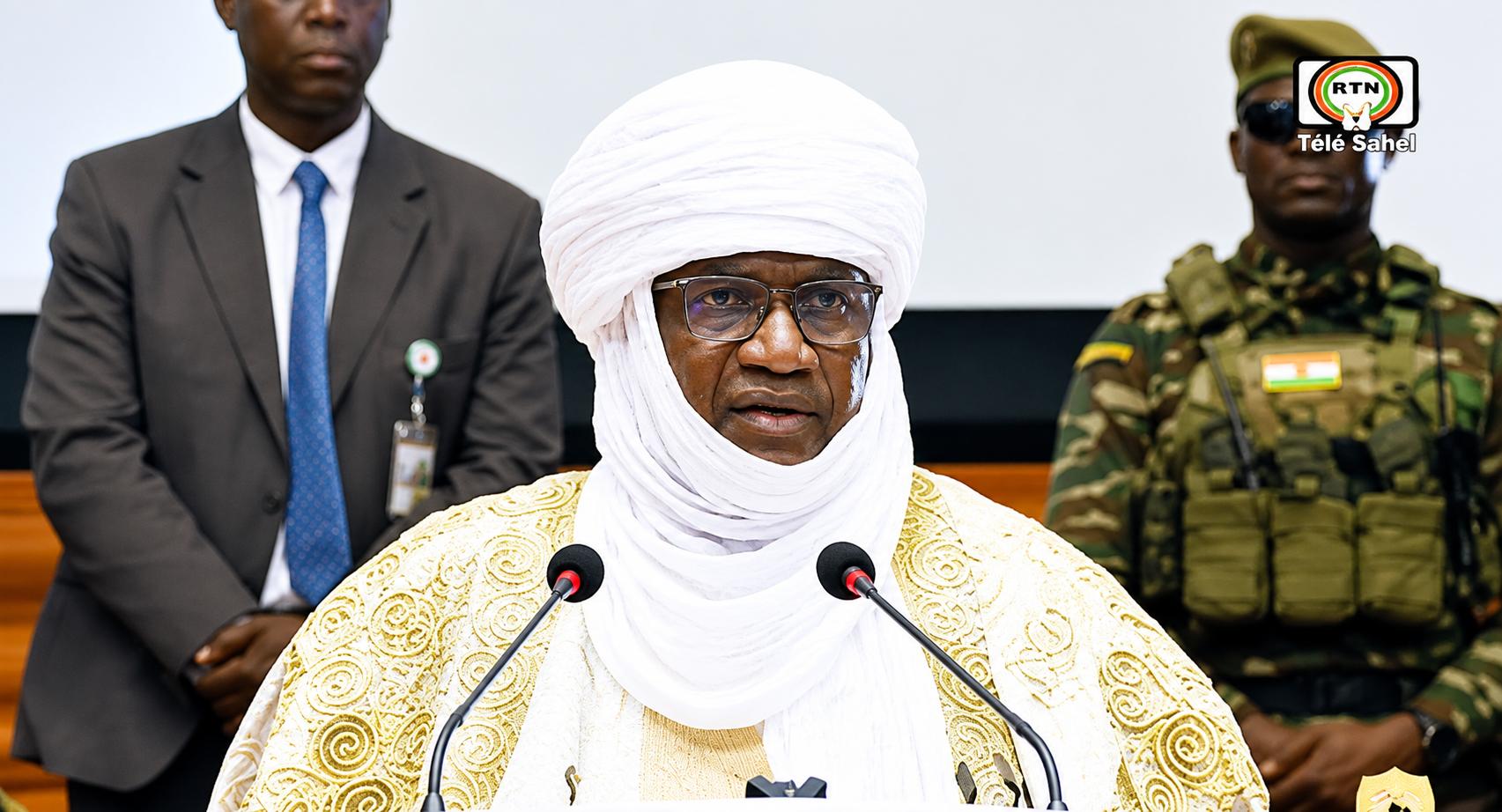
The recommendation landed like a thunderclap, yet it merely confirmed what many had feared for months. At the close of its first extraordinary session of 2026, Niger’s Consultative Council for Refoundation (CCR) openly called for an increase in pump prices for petroleum products. Behind closed doors, officials describe the move as a bitter pill that is nonetheless unavoidable if the country is to protect its macroeconomic stability and energy security.
A price rise forced by financial strain
Confronted with persistent supply tensions and the financial pressures weighing on the Société Nigérienne des Produits Pétroliers (SONIDEP), the CCR is urging the government to take the plunge. The body recommends a reasonable increase in fuel prices, arguing that artificially holding tariffs at their current level undermines the viability of the sector and deepens the country’s exposure to external shocks.
The aim is to close the operating deficit that is crippling import and storage capacity. In the CCR’s view, adjusting pump prices is the essential condition for avoiding chronic shortages that would hit the national economy even harder.
A package of structural reforms to soften the blow
Fully aware of the social impact such a measure would have on Nigeriens’ purchasing power, the Council has tied the increase to a far-reaching overhaul of the energy sector. According to the report signed off by Dr Mamoudou Harouna Djingarey, higher prices cannot be a blank cheque handed to managers.
The CCR is therefore demanding a strict set of measures:
- Audit and transparency: an immediate institutional and financial audit of SONIDEP, along with full digitalisation of the distribution chain to track down value leaks and clarify governance.
- Targeted subsidies: direct financial support for SONIDEP to stabilise its import operations without passing the full real cost on to the end consumer.
- Corridor diversification: formalising the Algerian route as the priority corridor for supplying the country’s northern zone, reducing reliance on the more costly maritime and road routes from the south.
- Energy sovereignty: greater investment in refining and strategic storage capacity nationwide to cushion the impact of fluctuations in international prices.
A crucial call the government must now make
By coupling the price increase with demands for cleaner public management, the CCR has put the ball back in the government’s court. With the 2026 agricultural campaign also requiring urgent budget trade-offs to mobilise food security stocks, the executive will have to decide the exact scale of the increase without suffocating households and businesses.
Reactions and what comes next
The recommendation has ignited a heated public debate across Niger. Consumer groups warn that any significant rise in pump prices will ripple through transport, food and basic services, squeezing families already stretched thin. Economists, however, counter that delaying the adjustment only stores up bigger problems, including fuel shortages and a deeper fiscal hole.
All eyes are now on the government’s next move. The key questions are how large the increase will be, how quickly it will be rolled out, and whether the accompanying reforms — the audit, the targeted subsidies and the diversification of supply routes — will be implemented in full or watered down. For many Nigeriens, the bitter pill may be easier to swallow if the promised safeguards are real. For the authorities, the challenge is to convince a wary public that this painful step is the only way to keep the lights on and the economy afloat.