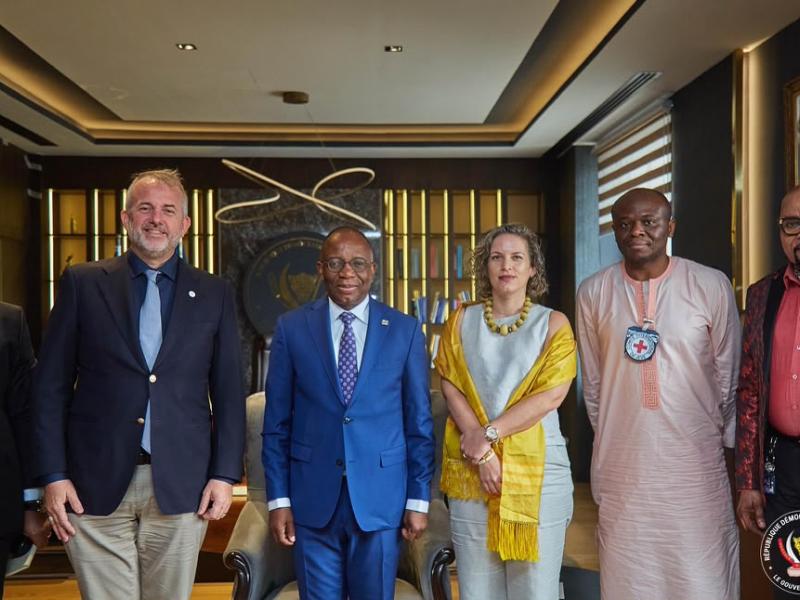
In a landmark move to bolster Morocco‘s water security, the European Union delegation in Rabat, alongside the embassies of Germany, Italy, and France, has finalized a groundbreaking €402.2 million (3.7 billion Moroccan dirhams) funding package. This initiative is aligned with the National Water Policy (PNE) and aims to revolutionize the country’s approach to water governance.
As outlined in an official statement from the Ministry of Equipment and Water, the program will channel resources into three critical areas: deepening the understanding of water resources, enhancing crisis management for extreme weather events, and strengthening institutional capacities within the sector. The agreement also includes provisions for technical support and knowledge exchange between Moroccan and European institutions.
The financial structure of the program is notable, featuring a €51.4 million contribution from the European Union, complemented by three loans totaling €320 million secured from leading European financial institutions.
Morocco is currently grappling with severe water stress, exacerbated by the relentless impacts of climate change, surging water demand, and seven consecutive years of drought. The cumulative effect of these challenges has resulted in a significant rainfall deficit across the nation.
To counter these pressing issues, Morocco has embarked on an ambitious series of projects designed to secure water access. These efforts include the construction of new dams, the expansion of inter-regional water networks, the implementation of wastewater recycling systems, and the rollout of efficiency programs targeting both potable water supply and agricultural irrigation networks.
The Moroccan government is also prioritizing seawater desalination as a cornerstone of its long-term water security strategy. This approach is expected to meet over 50% of the nation’s potable water requirements by 2030 while simultaneously supporting large-scale agricultural irrigation projects. Such advancements are poised to play a pivotal role in reinforcing Morocco‘s food sovereignty.