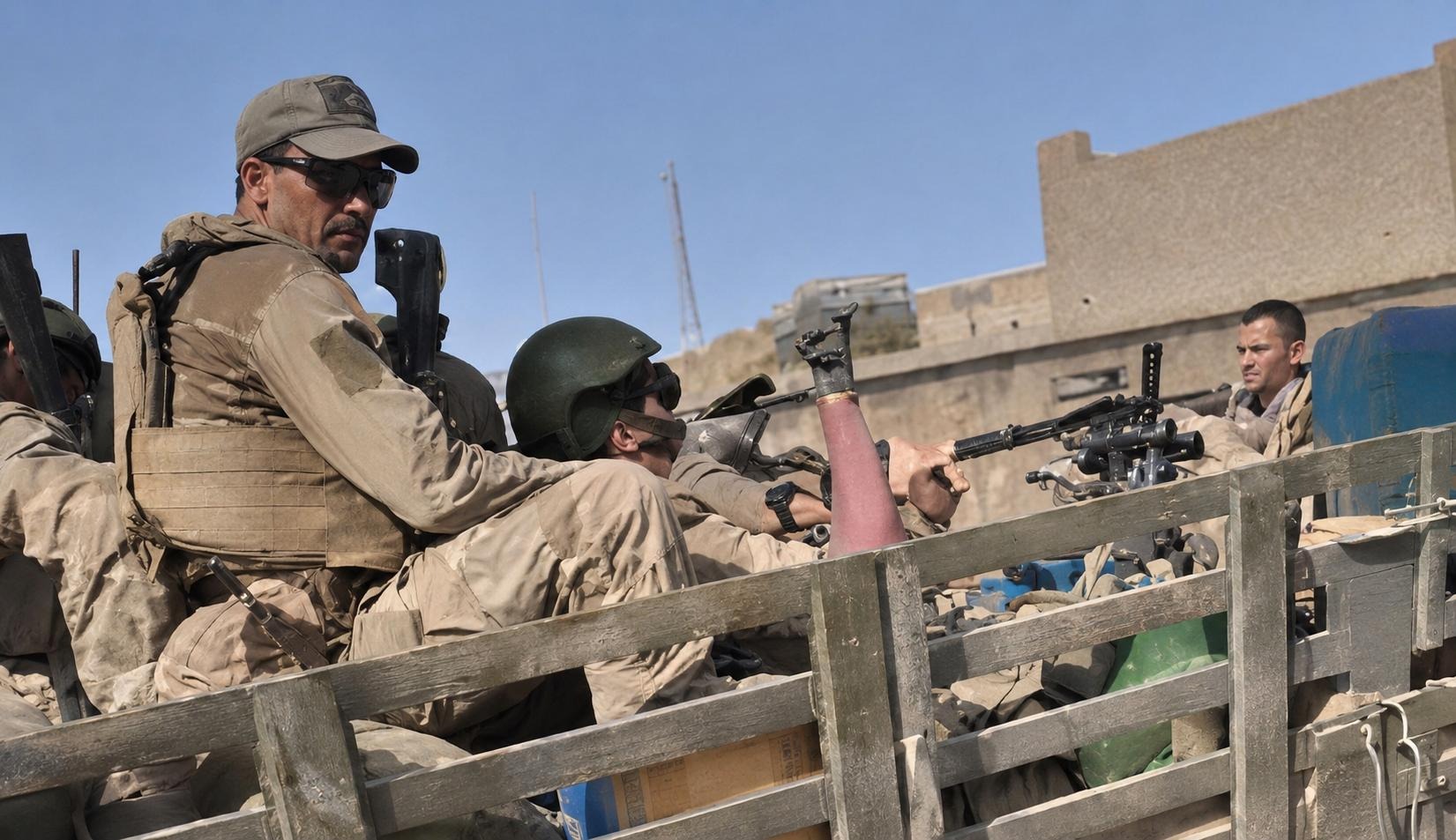
April 26, 2026, is etched as a somber day in Mali’s history. On this date, Kidal, a city Bamako viewed as a testament to its resurgent strength, capitulated to rebel forces. Beyond the military setback, what truly stunned observers was the conduct of the Russian Africa Corps (formerly Wagner personnel). Amidst intense fighting, these foreign operatives chose to broker their own escape rather than engage in combat.
A massive assault that swept everything aside
The weekend of April 25 witnessed a swift and devastating escalation. A formidable coalition, comprising FLA rebels and JNIM jihadists, unleashed synchronized assaults across the nation, from Kati to Gao. Their unequivocal objective was to overwhelm the Malian military, thereby facilitating Kidal’s capture. Confronted by this “tempest,” the Russians, who had cultivated an image of indomitable warriors, reportedly succumbed to panic. Rather than mounting a counter-offensive, their primary concern shifted to self-preservation.
The «corridor» of shame: negotiating with the enemy
A revelation that sent shockwaves through the region confirmed that Russian commanders engaged in direct negotiations with rebel factions to secure their unhindered departure from the city.
- The agreement: The Russian contingent relinquished their strategic positions and a significant portion of their heavy weaponry. In return, the rebels granted them a «corridor»—a designated safe passage—allowing them to retreat towards Gao, taking their wounded comrades with them.
- The abandonment of Malian forces: This abrupt withdrawal, euphemistically termed a «repositioning» by official sources, left the Malian Armed Forces (FAMa) isolated and vulnerable. They found themselves without crucial aerial support or vital logistical assistance, stranded deep within a volatile conflict zone.
The end of an illusion
This incident laid bare the stark limitations of the Russian mercenaries. Their conduct in Kidal was not that of steadfast allies, but rather of private contractors prioritizing their own assets and personnel.
- Profit over partnership: Russia’s engagement in Mali is widely understood to be driven by political influence and access to lucrative gold mining concessions. When the intensity or cost of conflict escalates beyond an acceptable threshold, they withdraw, even if it means publicly embarrassing the Malian government.
- Questionable liaisons: Furthermore, certain intelligence reports suggest that Russian elements may have even engaged in discussions with jihadist groups to ensure their neutrality during the decisive assault. Such allegations raise profound questions about the trustworthiness of a partner reportedly negotiating with the very adversaries they are ostensibly deployed to combat.
The lesson of Kidal
The Kidal Russian withdrawal in April 2026 unequivocally signaled the demise of the “Russian solution” narrative. By opting to secure their own safety over the defense of the city, the Russians incontrovertibly demonstrated their unreliability as long-term strategic partners.