
Kidal: a city trapped in conflict’s grip
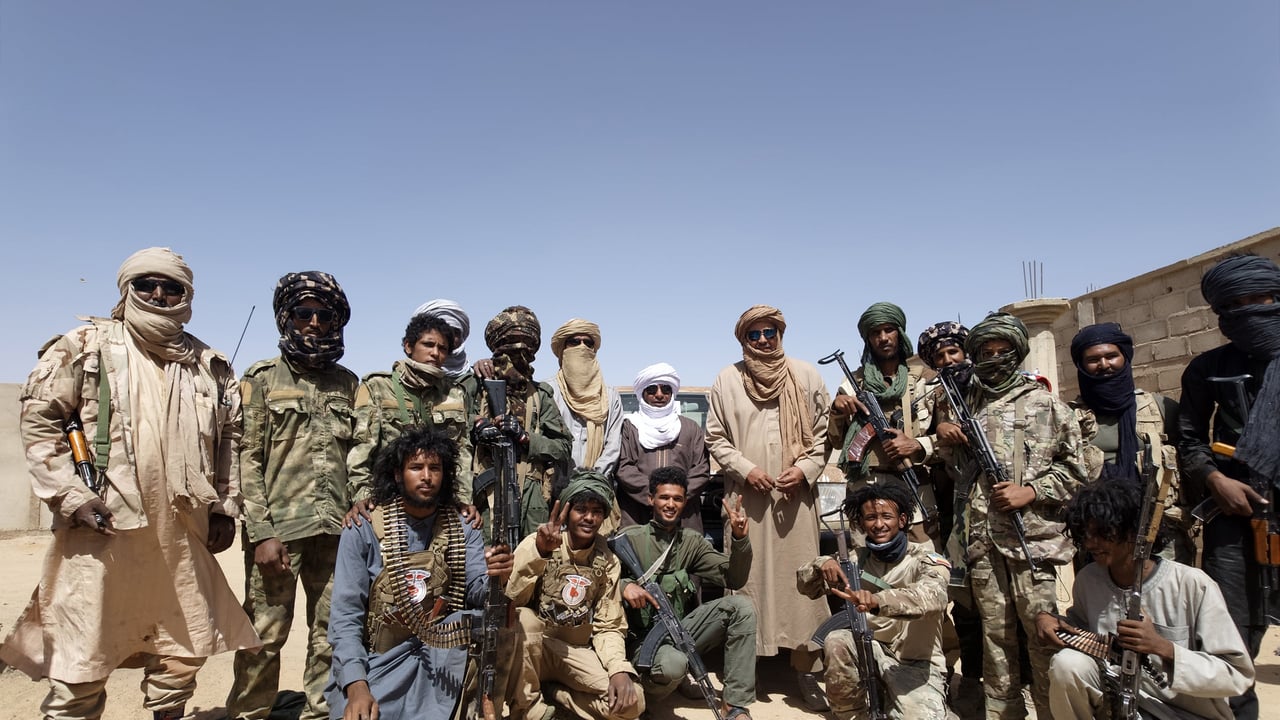
Kidal, the symbolic heart of rebellion in northern Mali, continues to simmer with tensions. On May 1, 2026, Alghabass Ag Intalla, leader of the Azawad Liberation Front (FLA), stood at the city’s center, flanked by his fighters. His presence underscores the enduring influence of armed groups in a region where state authority struggles to take root.
The rebel leader’s stance
Dressed in a beige traditional outfit and wearing sunglasses, Alghabass Ag Intalla embodies the resilience of those who refuse to lay down arms. His message remains clear: the fight for Azawad’s autonomy is far from over. The FLA, under his leadership, continues to challenge the central government’s control over northern territories.
Challenges to state authority
The Malian government, led by transitional leader Assimi Goïta, faces an uphill battle to assert its sovereignty over Kidal and its surroundings. Despite military operations and diplomatic efforts, the region remains a hotspot for armed factions, with the Jama’at Nusrat ul-Islam wal Muslimin (JNIM) among the most prominent groups opposing state presence.
Humanitarian and security concerns
The prolonged instability has taken a severe toll on civilians. Displacement, limited access to essential services, and frequent clashes have created a humanitarian crisis. Aid organizations warn of deteriorating conditions as the conflict shows no signs of abating.
International implications
The situation in Kidal extends beyond Mali’s borders, drawing attention from regional and international actors. The struggle for control over northern Mali reflects broader geopolitical dynamics in the Sahel, where foreign interventions and local alliances continue to shape the conflict’s trajectory.
The city’s fate hangs in the balance as armed groups, transitional authorities, and international stakeholders navigate a complex and evolving landscape. For now, Kidal remains a battleground where the future of northern Mali is being decided.