Côte d’Ivoire backs Morocco’s Sahara sovereignty in Rabat talks
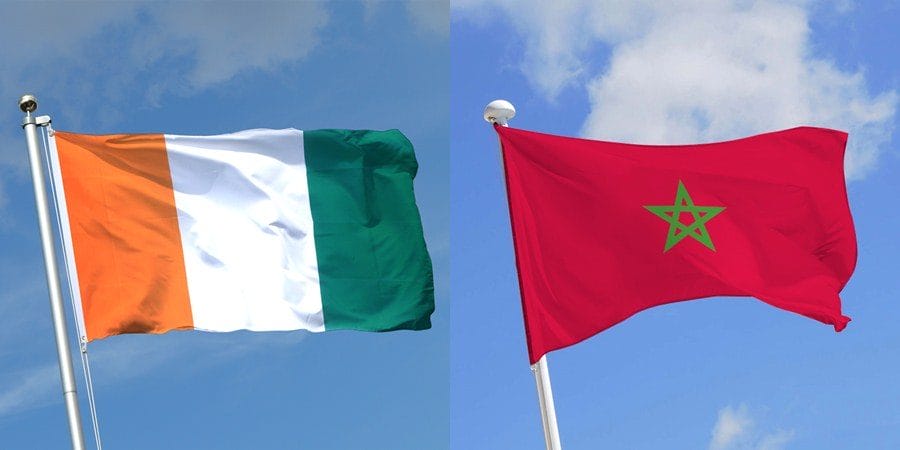
 The Moroccan and Ivorian flags © DR
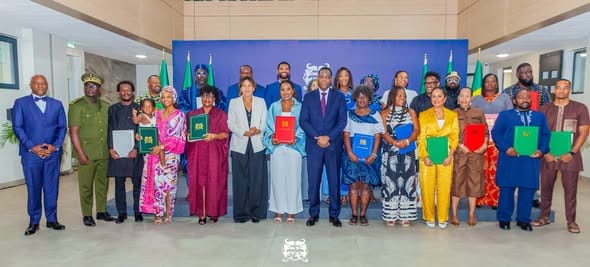
The Côte d’Ivoire has once again voiced its unwavering support for Morocco’s territorial integrity and sovereignty, particularly concerning the Sahara region, following high-level discussions in Rabat. This stance was clearly articulated in a joint statement released after meetings between Moroccan Foreign Minister Nasser Bourita and his Ivorian counterpart, Nialé Kaba, during her official working visit to the Kingdom.
The Ivorian foreign affairs chief reiterated the country’s longstanding and consistent support for Morocco’s position on Western Sahara, emphasizing that Abidjan aligns fully with Rabat’s stance. The Moroccan minister warmly acknowledged this continued backing, highlighting the deepening strategic partnership between the two nations based on mutual trust and strengthened South-South cooperation.
Diplomatic momentum builds behind Morocco’s autonomy initiative
In a significant diplomatic development, Côte d’Ivoire also welcomed the United Nations Security Council’s adoption of Resolution 2797. The Ivorian government praised the Moroccan autonomy plan as the most credible and serious foundation for a lasting resolution to the regional dispute. This endorsement coincides with Morocco’s decision to open a general consulate in Laâyoune in 2020, further solidifying the bilateral relationship.
Nasser Bourita expressed Morocco’s deep appreciation for Côte d’Ivoire’s steadfast support, underscoring the robustness of the Morocco-Côte d’Ivoire alliance. He noted that this partnership is built on shared values and a shared vision for enhanced economic and political cooperation across Africa.
International recognition of Morocco’s autonomy proposal
Côte d’Ivoire’s position reflects a growing international trend where multiple nations have publicly endorsed Morocco’s initiative as the most viable path toward resolving the Sahara question. The Moroccan government continues to engage in diplomatic efforts to garner broader support for its autonomy framework, which it presents as the only realistic solution to the decades-long conflict.
The discussions in Rabat underscore the strengthening ties between Morocco and West African nations, particularly in the realm of regional stability and conflict resolution. As Morocco advances its diplomatic agenda, the backing from Côte d’Ivoire serves as a key pillar in reinforcing the Kingdom’s position on the global stage.