
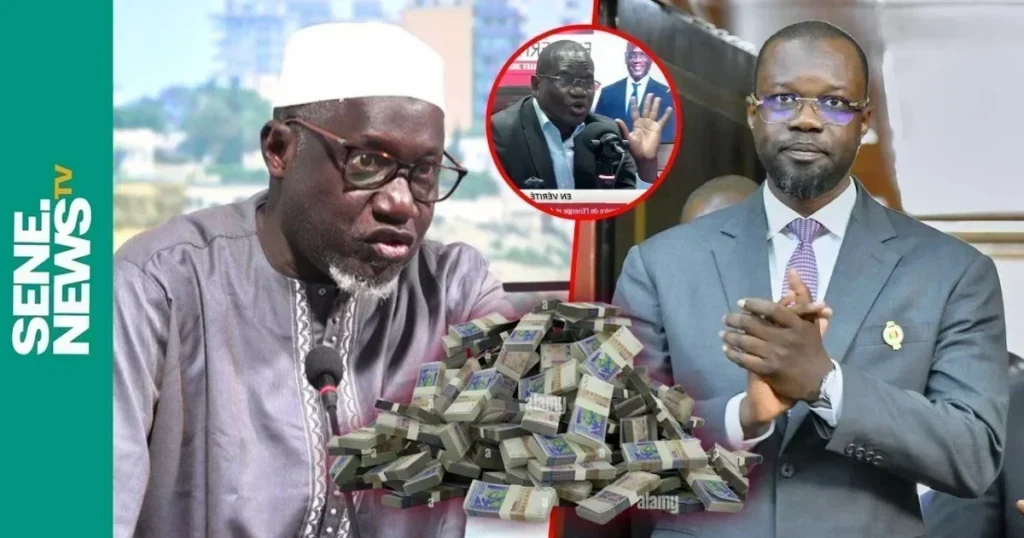
For those closely following Senegalese political dynamics or seeking deeper insights into ongoing national debates, Imam Kanté’s latest response offers critical perspective on a pressing issue.
What prompted the public exchange?
Public figures in Senegal frequently engage in exchanges that shape the political climate. Following recent statements by Moundiaye Cissé regarding Ousmane Sonko, Imam Kanté stepped forward to provide a detailed rebuttal, addressing the core arguments raised in the discussion.
The substance of the response
The Imam’s intervention centers on clarifying misconceptions surrounding Sonko’s positions and actions. He emphasizes the importance of factual accuracy in political discourse, urging a return to evidence-based analysis rather than speculation.
Among the key points addressed:
- Legal and political context: Imam Kanté reframes the legal challenges faced by Sonko within the broader political environment, highlighting inconsistencies in how certain cases have been presented to the public.
- National unity: He underscores the need for constructive dialogue to preserve social cohesion, warning against rhetoric that could deepen divisions.
- Leadership accountability: The Imam calls for transparency from political leaders, stressing that public trust is built on honesty and responsibility.
Reactions and implications
This exchange has sparked fresh discussions among analysts and citizens alike. While some voices support Imam Kanté’s stance, others remain critical of both the timing and the substance of his remarks. The debate reflects broader tensions in Senegal’s political landscape, where differing interpretations of leadership and governance continue to shape public opinion.
Why this matters for Senegal
In a nation where political discourse often carries significant weight, such exchanges—whether supportive or contentious—play a crucial role in shaping the national conversation. Imam Kanté’s intervention adds another layer to an already complex discussion, inviting citizens to engage more critically with the narratives presented by their leaders.
You may also like
Bénin: le Sénat tient sa séance inaugurale sous la conduite de Patrice Talon
Gabon : la participation citoyenne au cœur de la Ve République
Is Chad truly experiencing a political easing of tensions?
Accord FMI-Sénégal : Thierno Bocoum exige la transparence sur les conditionnalités
Ousmane Sonko demands full transparency on Senegal’s new FMI agreement