Unveiling a covert arms route
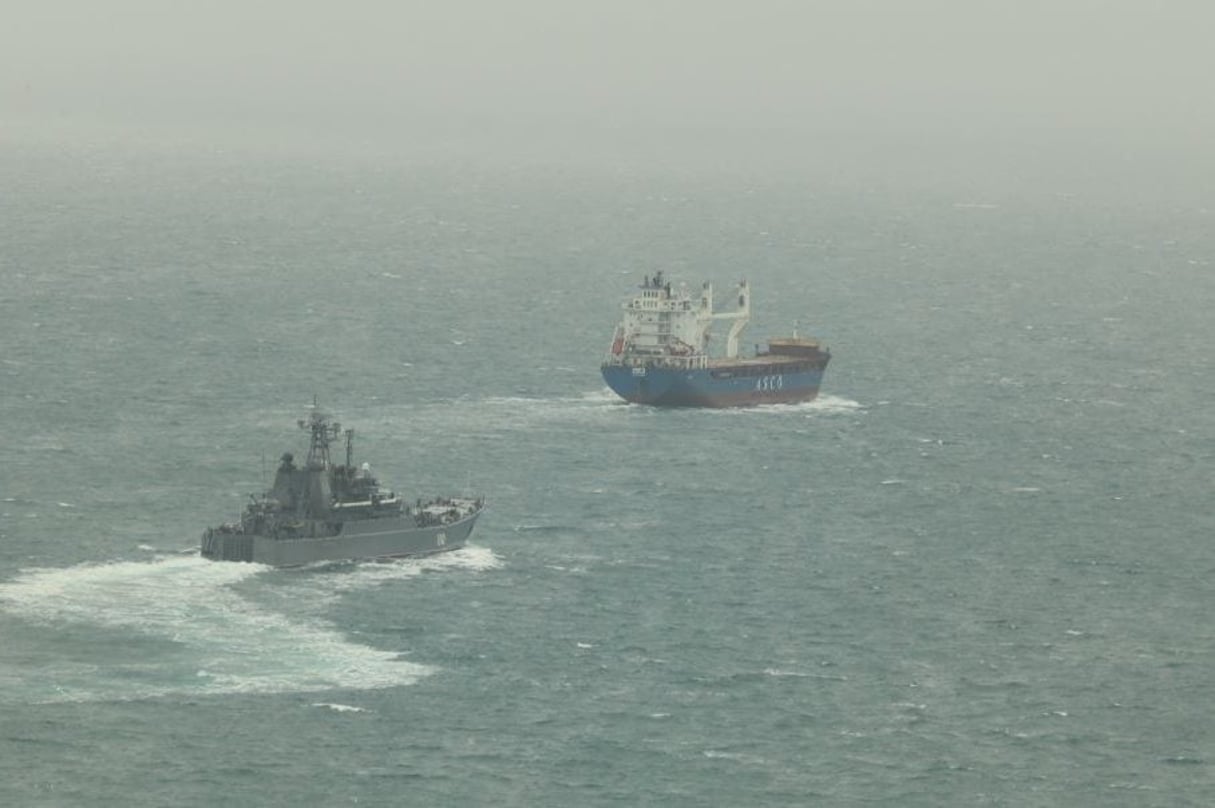
In March 2026, a Russian-flagged cargo vessel, the Sabetta, drew international attention as it traversed the English Channel under armed escort. The ship’s cargo was far from ordinary: a shipment of military equipment destined for Mali, transiting through the port of Conakry in Guinea. This discovery has shed light on a shadowy logistics network operating between West Africa and conflict zones in the Sahel.
Investigations reveal that Guinea’s capital has become a critical transit hub for Russian arms shipments, bypassing traditional European oversight. The port’s strategic location, coupled with relaxed customs controls, has made it an attractive route for clandestine military transfers. While official statements from Conakry deny any involvement, multiple sources confirm the presence of Russian-linked intermediaries orchestrating these operations.
From Conakry to Bamako: the logistics behind the transfers
The journey of these weapons begins with their arrival at the Port of Conakry, where they are offloaded under the guise of commercial shipments. Customs documents often mislabel the cargo as construction equipment or humanitarian supplies, masking their true nature. From Guinea, the arms are transported overland to Mali, where they are distributed to various armed factions, including groups affiliated with the Africa Corps.
The scale of these operations is alarming. In recent months, intelligence reports indicate a 30% increase in weapons traffic through Conakry, raising concerns among regional security analysts. The involvement of the Wagner Group—now rebranded as Africa Corps—has further complicated the situation, as the group continues to exert influence in Mali’s volatile security landscape.
Regional tensions mount as Guinea faces scrutiny
The revelation has sparked diplomatic tensions between Guinea and its neighbors, particularly Mali and the Economic Community of West African States (ECOWAS). Guinea’s transitional government, led by President Mamadi Doumbouya, has faced mounting pressure to address allegations of complicity in arms trafficking. While officials insist on strict neutrality, the evidence suggests otherwise.
Security experts warn that the unchecked flow of weapons through Conakry could exacerbate instability in the Sahel, fueling insurgencies and undermining peace efforts. The situation is further complicated by the presence of Russian military advisors in Guinea, raising questions about the country’s alignment in regional conflicts.
What’s next for West Africa’s security?
As investigations into the arms trafficking network intensify, regional leaders are calling for stronger oversight of ports and border crossings. The international community has also taken notice, with calls for sanctions against entities facilitating these transfers. However, the shadowy nature of the operations makes enforcement a daunting challenge.
The crisis underscores the urgent need for coordinated action to disrupt arms smuggling routes in West Africa. Without decisive intervention, the flow of Russian weapons to Mali could further destabilize the region, with far-reaching consequences for peace and security.
Related Posts
Les « Maisons russes », un puissant levier d’influence de Moscou en Afrique
De Bamako à Bangui, en passant par Niamey, les « Maisons russes » se sont imposées comme l’un des principaux…
Fenerbahçe falters in league opener ahead of champions league playoff against OL
Foot, Turquie Fenerbahçe suffers shock defeat in league opener ahead of champions league playoff Fenerbahçe affronte l’OL ce mardi (coup…
Tchad explores digital education strategies with UNESCO study mission in Yaoundé
West Africa education update Tchad explores digital education strategies with UNESCO study mission in Yaoundé The UNESCO Regional Office for…