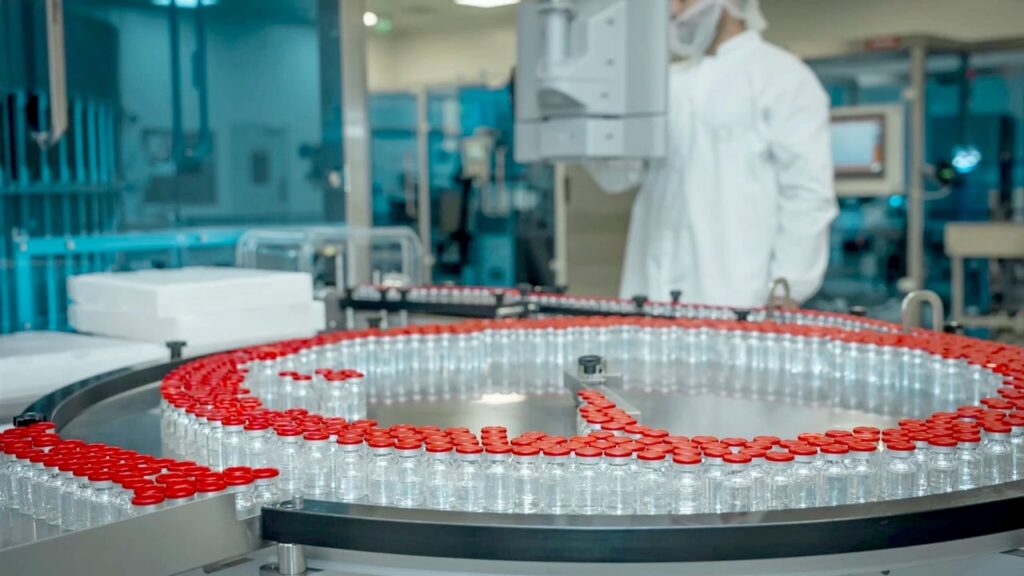
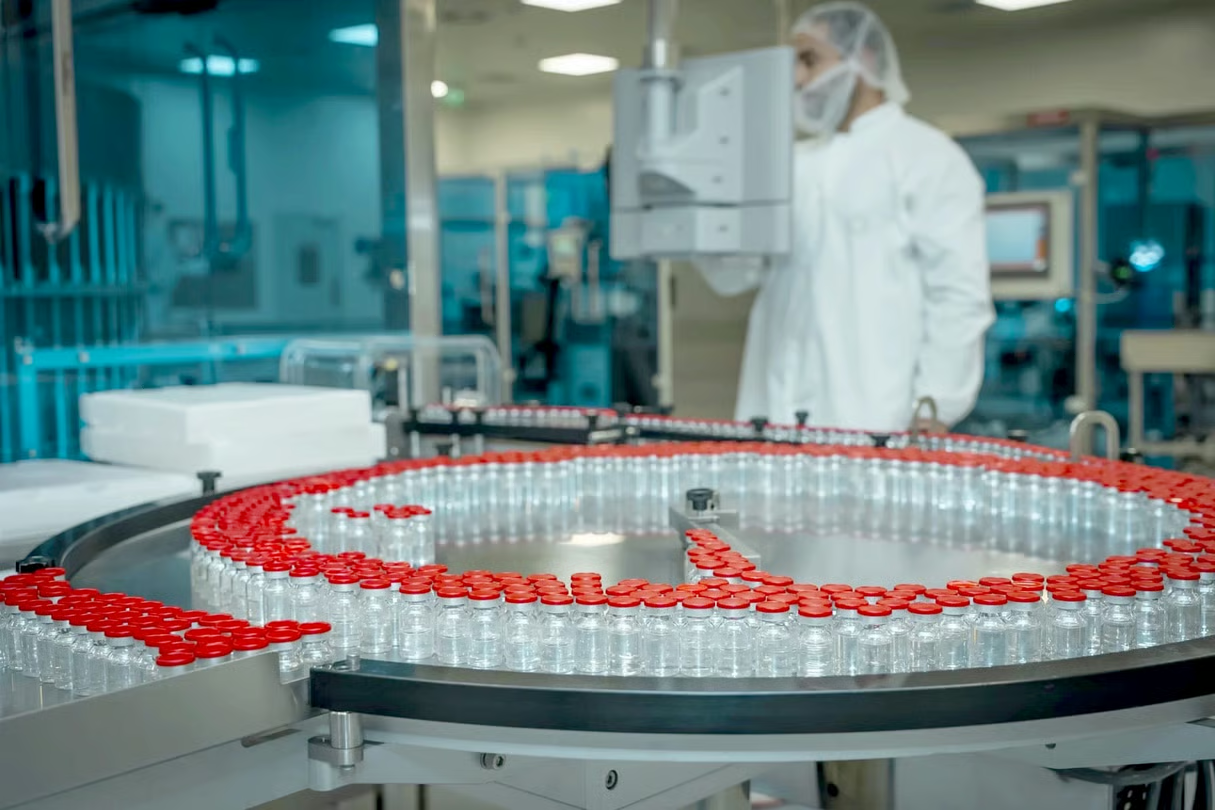
Morocco’s push toward medical sovereignty is gaining momentum, with the Industrial City Marbio emerging as a cornerstone of this ambitious vision. The facility, a flagship project of His Majesty King Mohammed VI’s healthcare reforms, is transforming the nation into a regional pharmaceutical powerhouse.
Building africa’s pharmaceutical future
At the heart of this initiative lies the Industrial City Marbio, a state-of-the-art complex where cutting-edge production lines are already turning out essential medicines. Designed to reduce Africa’s reliance on imported pharmaceuticals, this hub is setting new standards for quality and innovation in the region. By integrating advanced manufacturing with research and development, Morocco is positioning itself as a leader in Africa’s healthcare transformation.
Key pillars of the project
- Local production: Marbio is equipped to manufacture a wide range of medications, from basic treatments to specialized drugs, directly addressing critical shortages across the continent.
- Technology transfer: Partnerships with global pharmaceutical leaders are accelerating the adoption of best practices, ensuring the facility meets international quality benchmarks.
- Regional collaboration: The project aligns with the African Union’s broader goals of fostering self-sufficiency in healthcare, creating a ripple effect of economic and health benefits.
King Mohammed VI’s vision in action
His Majesty King Mohammed VI has long championed healthcare as a strategic priority for Morocco and Africa. The Industrial City Marbio is a tangible realization of this commitment, reflecting a multi-decade investment in infrastructure, human capital, and policy innovation. Under his leadership, Morocco is not only enhancing its own healthcare resilience but also extending support to neighboring nations grappling with similar challenges.
Economic and health impacts
The ripple effects of Marbio’s operations are already visible. By reducing Africa’s dependence on foreign pharmaceuticals, the project is expected to:
- Lower healthcare costs for patients and governments alike.
- Create thousands of high-skilled jobs, boosting local economies.
- Strengthen Morocco’s role as a hub for medical innovation in Africa.
Challenges and opportunities ahead
While the progress is commendable, scaling up pharmaceutical production comes with hurdles. Regulatory harmonization, supply chain resilience, and equitable distribution remain critical focus areas. However, with the African Union’s backing and Morocco’s unwavering dedication, these challenges are being met with strategic solutions. The long-term vision is clear: a continent where access to essential medicines is no longer a luxury but a fundamental right.
You may also like
Bénin: le Sénat tient sa séance inaugurale sous la conduite de Patrice Talon
Gabon : la participation citoyenne au cœur de la Ve République
Is Chad truly experiencing a political easing of tensions?
Accord FMI-Sénégal : Thierno Bocoum exige la transparence sur les conditionnalités
Ousmane Sonko demands full transparency on Senegal’s new FMI agreement