Gabon – SEEG: turning to dialogue to address critical infrastructure challenges
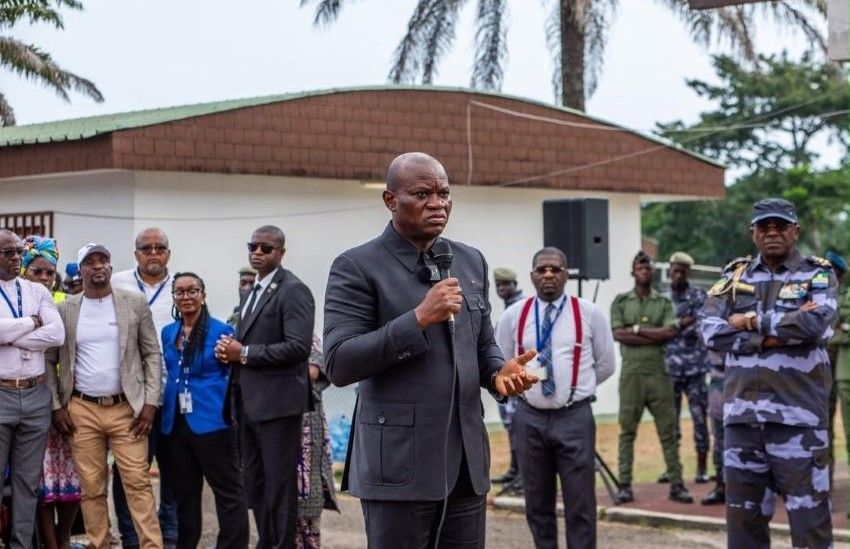
Libreville, June 30, 2026 – In a bold departure from traditional crisis management, President Brice Clotaire Oligui Nguema chose direct engagement over administrative distance to tackle the persistent water and electricity shortages plaguing Gabon through the Société d’Énergie et d’Eau du Gabon (SEEG).
For nearly three hours at the Jean Violas training center in Owendo, the Head of State listened, questioned, and outlined a clear path forward. This unprecedented approach signals a turning point in how the country addresses one of its most pressing economic and social challenges.
The meeting, requested by SEEG employees themselves, follows years of growing frustration among citizens over unreliable services. Frequent power cuts, water shortages, aging infrastructure, and governance concerns have thrust the energy sector into the national spotlight.
Beyond a routine institutional exchange, this presidential initiative reflects a commitment to restoring direct communication between decision-makers and frontline workers. The goal is to uncover the root causes of dysfunction and accelerate solutions.
Unfiltered insights into SEEG’s operational challenges
The discussions gave employees a rare opportunity to voice long-standing operational frustrations. Years of accumulated inefficiencies, organizational hurdles, technical constraints, and managerial shortcomings were discussed openly.
During the session, staff members acknowledged that sustainable recovery requires collective introspection. They emphasized the need for systemic change—better management practices, stronger accountability at all levels, and a unified commitment to transformation.
This internal admission of shortcomings marks a significant shift. It signals that the conversation has evolved beyond mere infrastructure investment. The focus now includes governance, organizational culture, and performance standards within the company.
For many analysts, this moment represents a break from past practices where responsibility was often shifted exclusively to the State or blamed on technical limitations. It paves the way for a more holistic recovery strategy.
Governance as the cornerstone of reform
The President responded to these revelations by placing governance at the heart of his remarks. His message was unequivocal: lasting reform demands strict discipline, transparency, accountability, and a commitment to the public good.
In making this stance clear, the President underscored that modernizing SEEG is not solely about funding or infrastructure upgrades. It hinges on the quality of leadership and the willingness of managers to fulfill their duties with integrity.
This call for accountability comes at a time when authorities are intensifying public service reforms across the country. For SEEG, it aims to rebuild trust with users, severely damaged by years of service failures. The ultimate goal is to transform the company into a high-performing entity focused on reliability, service quality, and citizen satisfaction.
Water and electricity as engines of national progress
During the exchange, President Oligui Nguema emphasized that access to clean water and reliable electricity is not just a technical issue—it is fundamental to economic growth, public health, education, and overall quality of life.
This perspective explains why energy and water access have become a central focus since the Transition began and intensified after the presidential election. Authorities now view these services as vital to Gabon’s competitiveness and the well-being of its people.
The visit to the Jean Violas training center offered the President a firsthand look at the facility’s role in upskilling the workforce. Staff training is now seen as a critical pillar of SEEG’s transformation.
At the conclusion of the meeting, employees reaffirmed their readiness to contribute to the recovery effort. Their determination aligns with the government’s vision: to transform SEEG into a modern, dependable utility capable of meeting the rising expectations of Gabonese citizens.
In a nation where energy challenges are tightly linked to growth prospects, this meeting transcends social dialogue. It embodies a core conviction of the executive branch: complex crises cannot be resolved through administrative decrees alone. They require listening, shared responsibility, and collective mobilization around the national interest—which is precisely the message the President delivered by centering dialogue in SEEG’s transformation journey.