Gabon pushes for economic transformation through local industry
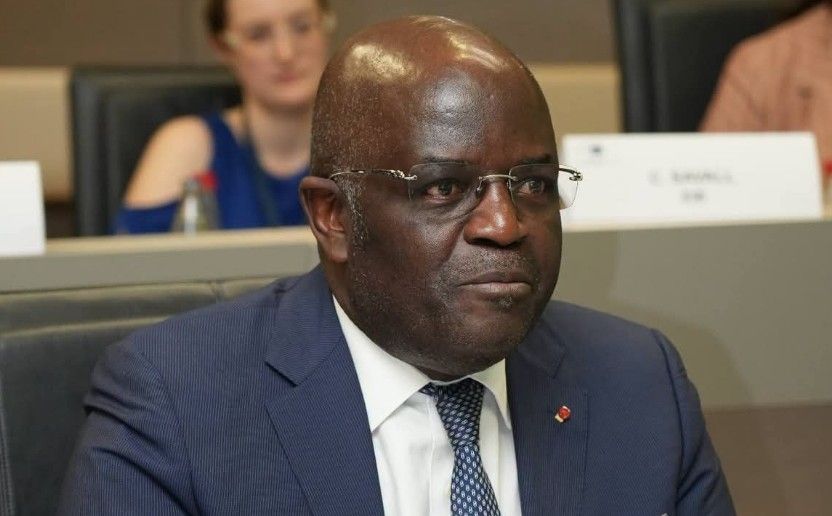
In a global race to secure critical minerals for clean energy and advanced technologies, Gabon is championing a paradigm shift—one that prioritizes local transformation over raw material exports.
Speaking at a high-level forum in Brussels, organized in partnership with African, Caribbean, and Pacific states and the European Investment Bank, Gabon’s Ambassador to Belgium and the European Union, Eudes Régis Immongault Tatangani, articulated a bold vision: moving beyond extractive economics to build integrated industrial value chains.
Ending the era of unprocessed resource exports
The surging global demand for critical minerals—driven by electric vehicles, renewable energy, AI, and digital infrastructure—has placed African nations at the heart of a new geopolitical battleground. Yet, as Immongault emphasized, the true wealth lies not in exporting raw materials, but in transforming them.
He argued that nations rich in natural resources must shift from passive suppliers to active industrial players. For decades, many resource-rich countries have relied on extractive models that yield minimal economic benefits. The real value is generated downstream—in processing, manufacturing, and innovation—often in distant economies.
Gabon’s diplomatic offensive in Brussels reflects a growing consensus among development experts: sustainable prosperity comes from industrialization, not just resource extraction.
Building African value chains from mine to factory
Immongault outlined a comprehensive strategy that spans infrastructure, energy, logistics, and skills development. The goal is to create a seamless ecosystem where Gabonese minerals—from manganese to timber—are processed locally, generating jobs, technology transfer, and higher revenues.
This industrial vision aligns with Libreville’s ongoing economic reforms. Over recent years, Gabon has launched initiatives to boost local processing in mining, timber, and manufacturing sectors, aiming to reduce dependency on unrefined exports.
The strategy also responds to a shifting geopolitical reality. African producers are no longer content to be mere suppliers. They seek to negotiate as equal partners in global supply chains, leveraging their resources to build industrial capacity.
The role of fair and equitable partnerships
Beyond infrastructure and capital, Immongault stressed the importance of partnership quality. True economic sovereignty, he noted, requires more than natural wealth—it demands mastery of technology, skills, and innovation.
He called for international collaborations that include technology transfer, vocational training, and local capacity building. In today’s global economy, control over critical minerals is not enough. What matters is who controls the processes that turn them into high-value products.
By advocating for this model in Brussels, Gabon is positioning itself as a leader in Africa’s economic transformation. The country is not just defending its interests—it’s helping redefine the rules of global trade for future generations.
The battle for critical minerals will be won not in the mines, but in the factories, research labs, and training centers. Gabon is determined to be on the winning side.
Related Posts
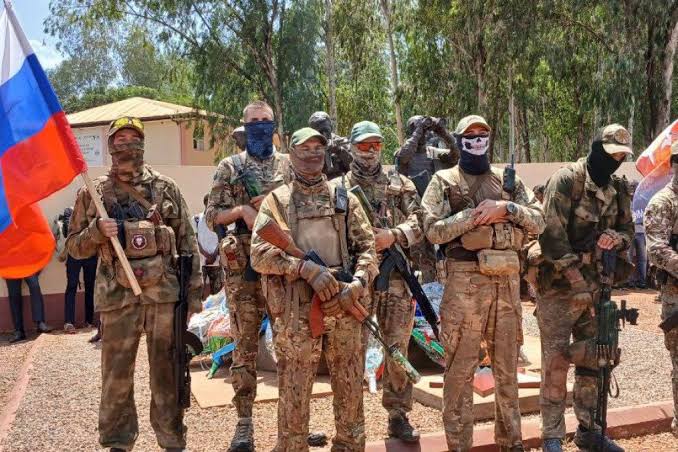
Russia’s africa corps: evolving military strategy across the continent
Across the diverse landscapes of Africa, where power dynamics are as fluid as historical colonial borders, a new influential player…
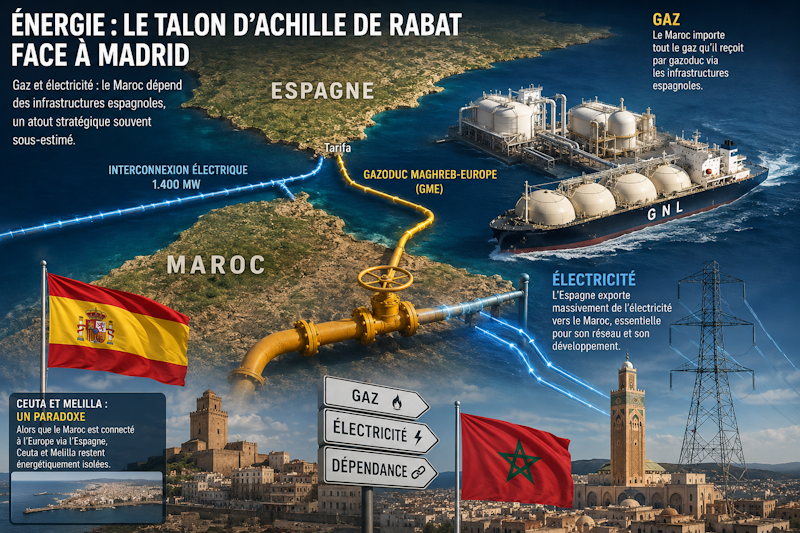
Morocco spain energy ties: Rabat’s hidden vulnerability
The recurring diplomatic tensions between Morocco and Spain often focus on migration flows, territorial disputes, or security cooperation. Yet beneath…
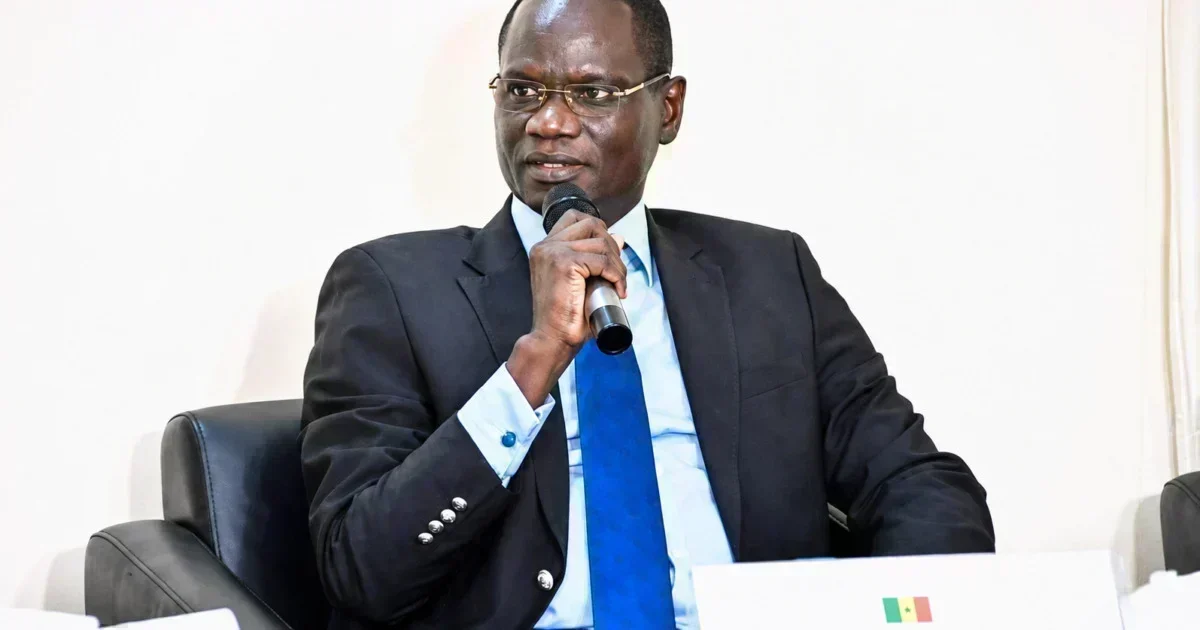
Abdourahmane Diouf renews criticism of Ousmane Sonko over special credits bill
Tensions au sommet : Le ministre Abdourahmane Diouf s’en prend de nouveau à Ousmane Sonko Dr Abdourahmane Diouf contends that…