
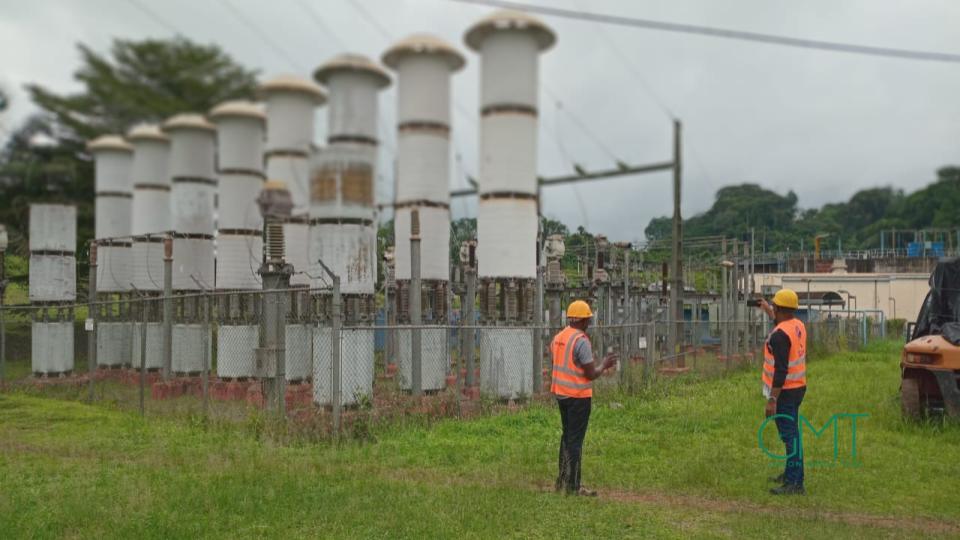
The first quarter of 2026 saw Gabon’s electricity output plummet by 13.2% compared to the previous quarter and 20.1% year-on-year, according to the latest Sectoral Conjuncture Report from the General Directorate of Economy and Fiscal Policy (DGEPF). This alarming trend exposes systemic vulnerabilities that residents have long endured.
Chronic underinvestment paralyzes power generation
Behind the stark figures lies a stark truth: recurring equipment failures have crippled critical infrastructure. The primary culprit? Inadequate funding for maintenance programs. Years of neglect in upkeeping the national grid have taken their toll, leaving the system vulnerable to repeated breakdowns.
Power cuts trigger a water crisis
The consequences extend far beyond dimmed lights. The DGEPF report highlights a dangerous domino effect: frequent power outages now disrupt water supply across the country. Mechanical seal leaks and pump failures—exacerbated by electrical surges—place additional strain on already overworked systems.
This interconnected failure reveals a critical flaw in Gabon’s infrastructure. The power crisis no longer just disrupts daily life; it directly threatens access to clean water for thousands of households. When two essential services collapse simultaneously, the issue transcends a single utility’s shortcomings, endangering the nation’s entire foundational network. Without urgent, sustained modernization efforts, Gabon risks sinking deeper into a cycle of widespread service disruptions.
You may also like
-
Niger infrastructure loans highlight risks of governance challenges
-
Beninese customs foil major explosive smuggling plot
-
Niger ccr and iom deepen ties for national development
-
Gabon’s power crisis deepens with 20% drop in electricity production in early 2026
-
Gabon and Ghana forge strong economic ties with new agreements