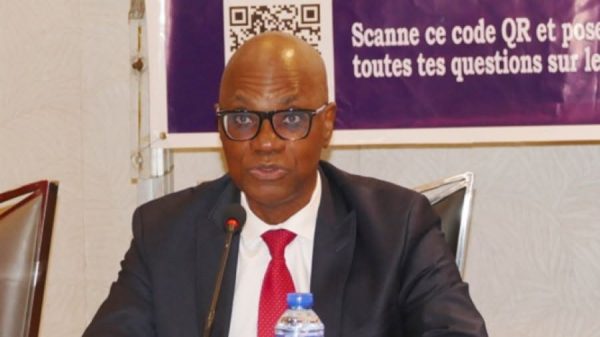
A political controversy has erupted in Paris over Gabon’s involvement in the recapitalization of Eramet, a French multinational mining group. In a formal parliamentary inquiry published in the official gazette, French lawmaker Arnaud Le Gall (LFI-NFP) challenges the official narrative presented by Libreville, which framed the deal as a strategic move to bolster Gabon’s mining sovereignty over its manganese resources.
Official version under scrutiny
The Gabonese government has consistently portrayed the capital injection as a milestone in its strategy to reclaim control over extractive industries. As the world’s top manganese producer through its Comilog subsidiary—Eramet’s longstanding flagship operation—Gabon sought to strengthen its influence over the group’s decision-making and revenue flows. Recent reforms, including revisions to the mining code and increased state participation in key sectors, have signaled Libreville’s renewed assertiveness in managing natural resource wealth.
Arnaud Le Gall rejects this interpretation outright. In his view, what is marketed as a sovereignty milestone for an African nation amounts to a financial lifeline for struggling French shareholders. The Duval family, Eramet’s historical controlling interest via the Société de Développement et de Participations Minières et Industrielles (SDPMI), faces well-documented financial strain within its broader investment portfolio. A recapitalization backed by an external sovereign investor provides stability without forcing a drastic dilution of the family’s long-held positions.
Gabon’s manganese: a pivotal yet contentious asset
The industrial stakes are high. Gabon contributes a critical share of Eramet’s revenue through Comilog, whose manganese exports supply global steelmakers and, increasingly, battery supply chains. Eramet is also advancing projects in nickel and lithium—critical metals for the energy transition. This structural dependency creates an imbalance: Libreville supplies the raw material, yet value addition and strategic decisions remain concentrated elsewhere.
The recapitalization was framed as a corrective measure to this imbalance. But crucial questions remain unanswered, central to Arnaud Le Gall’s parliamentary inquiry: What are the financial terms of the deal? What governance safeguards did Gabon secure? Did French public interests play any role in structuring the transaction? The lawmaker has demanded clarity from the French government on these points, including whether Paris provided any form of political or financial support during the negotiations.
Broader implications for Franco-Gabonese economic ties
The debate extends beyond the Eramet case, reflecting deeper shifts in economic relations between France and Gabon. Since the political transition in Libreville, authorities have sought to renegotiate historical agreements in oil and mining. Several long-established French firms have faced reassessment of their positions. The Eramet recapitalization stands out, however, for its reversal of roles: here, an African state becomes a capital provider to a French corporation, rather than the other way around.
This role reversal fuels the intensity of the controversy. Proponents argue it signals the emergence of sovereign African influence within European extractive majors. Critics like Arnaud Le Gall question the financial prudence of the investment and its long-term return for Gabon’s public finances. The French government is required to respond officially to the parliamentary question within the statutory timeframe, which could shed light on previously undisclosed aspects of the deal.
The affair underscores the growing complexity of economic relations between Paris and its African partners, where every major capital transaction now invites competing interpretations. The inquiry aims to uncover the full financial parameters of the recapitalization and any commitments made by the French executive in the process.