Ebola outbreak in DRC reaches unprecedented levels as treatment center attacked
- Health
WHO issues urgent call as Ebola spreads at alarming rate in Democratic Republic of Congo
The Director-General of the World Health Organization (WHO), Dr. Tedros Adhanom Ghebreyesus, has raised a critical alert regarding the Ebola outbreak in the Democratic Republic of Congo (DRC), two months after its official declaration. The situation has escalated to unprecedented levels, with the epidemic now classified as the third largest Ebola outbreak ever recorded.
During a press briefing in Geneva, Dr. Tedros emphasized the rapid acceleration of the disease’s spread, which has outpaced all previous outbreaks in the region. As of today, 2,073 cases have been reported, including 796 deaths. For comparison, the 2018-2019 Ebola epidemic in the DRC took over ten months to reach 2,000 confirmed cases, whereas this outbreak has achieved the same milestone in just two months.
Intense transmission in Ituri Province
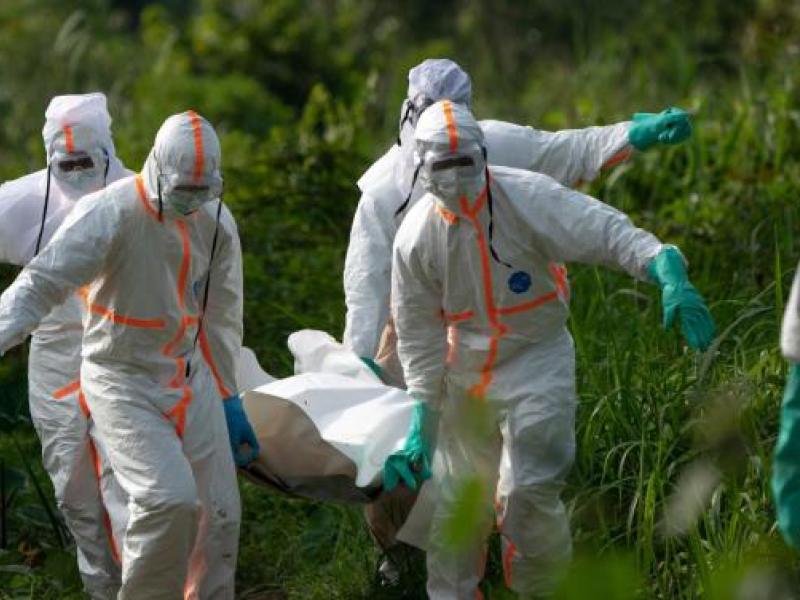
The situation remains most dire in Ituri Province, where transmission continues at an alarming rate. Over 80% of new cases are detected outside known contact tracing lists, indicating undetected transmission chains. Tragically, approximately two-thirds of deaths occur within communities, with many individuals never accessing healthcare facilities.
Challenges to containment
The WHO, in collaboration with the Africa Centres for Disease Control and Prevention (Africa CDC) and other partners, is working closely with the DRC government to intensify response efforts. Current treatment capacity exceeds 800 beds, with 16 operational laboratories and nearly 80% contact tracing efficiency. Additionally, over 21,000 community agents are being trained, and safe burial practices have improved significantly.
However, critical challenges persist. The ongoing armed conflict severely restricts access to affected areas, as evidenced by yesterday’s attack on an Ebola treatment center in Bunia, the provincial capital of Ituri. This incident underscores the urgent need for political intervention to facilitate the necessary response.
Progress amidst adversity
Despite the absence of approved vaccines or treatments, 377 individuals have recovered, demonstrating that early diagnosis and appropriate care can save lives. Encouraging advancements have also been made in research, including the launch of clinical trials for monoclonal antibody MBP134 and antiviral remdesivir. The first safety trial for the ChAdOx1 vaccine, led by the University of Oxford, began earlier this month, while another trial for the antiviral obeldesivir in post-exposure prophylaxis is underway.
Regional implications
The situation in neighboring Uganda offers a contrasting picture. The last confirmed patient was discharged today, marking the beginning of the 42-day countdown to declaring the end of the outbreak, which has seen 20 cases and two deaths. While progress is evident, the DRC’s challenges continue to grow, exacerbated by insecurity and the broader humanitarian crisis.
Immediate priorities
Dr. Tedros outlined the WHO’s immediate priorities: reducing transmission in Ituri through enhanced surveillance, ensuring safe and dignified burials, improving clinical care, and mobilizing communities. Strengthening response capacities in newly affected provinces is also critical to prevent further spread.
The Ebola strain responsible for this outbreak, Bundibugyo, was declared a Public Health Emergency of International Concern (PHEIC) by the WHO on May 17, two days after the official declaration of the epidemic in the DRC. The outbreak’s geographical expansion and potential underestimation of its scale are compounded by population mobility, fragile health systems, and insufficient infrastructure in conflict-affected areas.
Despite these challenges, DRC authorities remain committed to containing the epidemic, leveraging their extensive experience in managing health crises. The country has successfully controlled 16 previous Ebola outbreaks, demonstrating resilience and adaptability in the face of adversity.
Clément Muamba, Kinshasa