
At a time when Togolese citizens are struggling against a suffocating economic crisis and a relentless spike in living costs, the government’s diplomatic expenditures are sparking massive outrage. Based on analyses of sovereignty budgets and international lobbying contracts, the campaign to approve and promote the “new map of Africa” at the United Nations cost Togolese taxpayers an estimated 2 million US dollars.
For months, the Togolese ministry of foreign affairs mobilized immense energy to champion this cartographic project. However, behind the triumphant public relations campaigns celebrating Togo’s global diplomatic influence, the actual financial balance sheet reveals a massive drain on public funds for a win that remains largely symbolic.
How was the two million dollar budget spent
Where exactly did this 2 million dollars from the public treasury go? Tracking the logistical and diplomatic channels exposes where these state resources were directed:
- International lobbying and strategic consulting firms: To push this resolution onto the UN General Assembly agenda and win over Western and Asian diplomats, Lomé hired specialized influence agencies in business diplomacy and crisis communication. These services included public relations firms in Paris—frequently employed by African presidencies—and US lobbying operations in Washington D.C. registered under the Foreign Agents Registration Act (FARA) to connect Togo’s diplomatic apparatus with English-speaking policymakers. These strategy and advisory contracts were paid in foreign currencies, totaling hundreds of thousands of dollars.
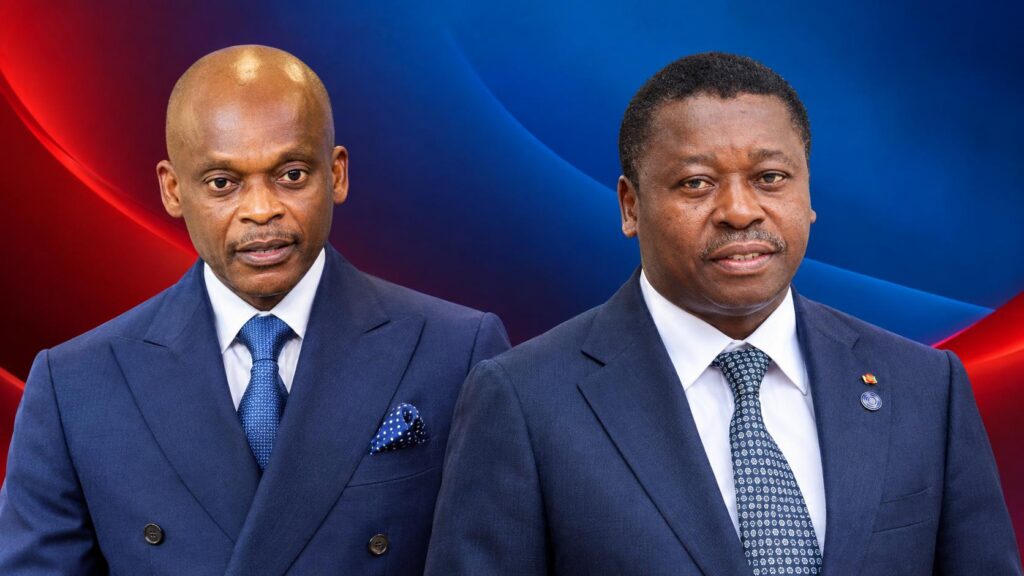
- The diplomatic travels of Robert Dussey: The Minister of Foreign Affairs engaged in frequent first-class flights and high-end hotel stays in New York, Paris, Geneva, and various African capitals to conduct face-to-face lobbying. Private flights, generous daily allowances, and representation budgets for official delegations accounted for a massive portion of the total expenditure.
- Prestigious receptions and support building: Official banquets, diplomatic presents, and cover expenses for foreign delegates and experts at preparatory meetings caused secondary costs to escalate rapidly.
- Media campaigns and public relations agencies: Funding targeted press operations in global outlets, publishing sponsored opinion pieces, and organizing specialized academic seminars to validate the initiative’s intellectual foundation.
A costly vanity project detached from domestic emergencies
For civil society groups and local economic experts, squandering such significant financial resources is indefensible given the national context. This 2 million dollar sum, equivalent to more than one billion CFA francs, could have been used to equip undersupplied hospitals in Kara, Dapaong, or even Adetikopé with essential medical gear. It could have also built new school classrooms or funded crucial social safety programs for the country’s most vulnerable families.
By choosing high-profile prestige initiatives and heavily relying on foreign consulting firms instead of addressing the core needs of its citizens, the Togolese administration highlights yet again the deep divide between its desire for a shining global image and the daily survival struggles of the Togolese people.
You may also like
Did billions vanish from the vaults of the Special Criminal Court in Cameroon?
Why are Bénin’s amazones celebrating a historic handball triumph in Ouagadougou?
Niger’s official narrative masks deep fractures within the ruling junta
Niger: Tiani faces discontent within special forces after Russian intervention
Crise au Niger, accord FMI-Sénégal, bataille électorale au Maroc… Les 5 infos qu’il ne fallait pas manquer