
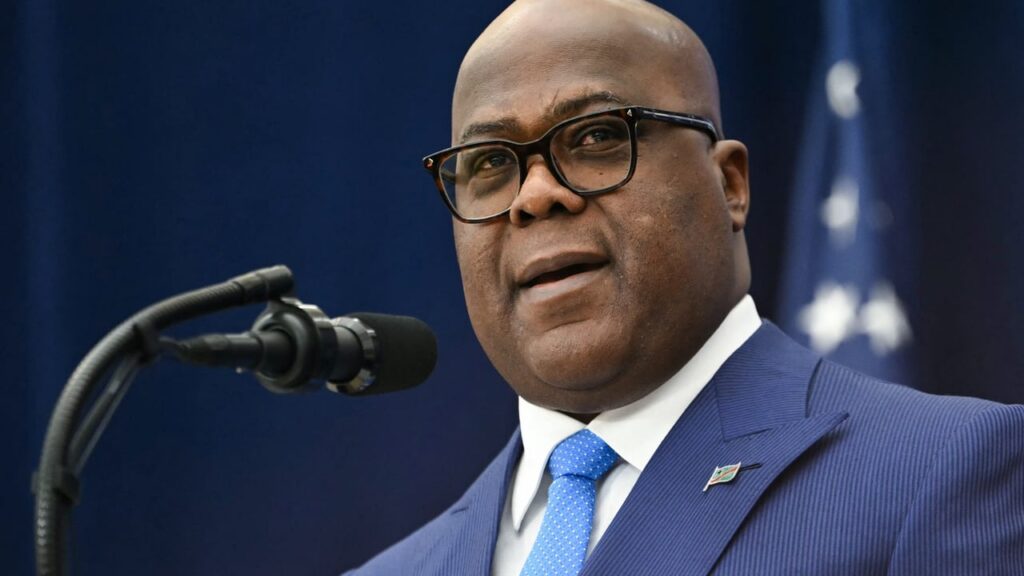
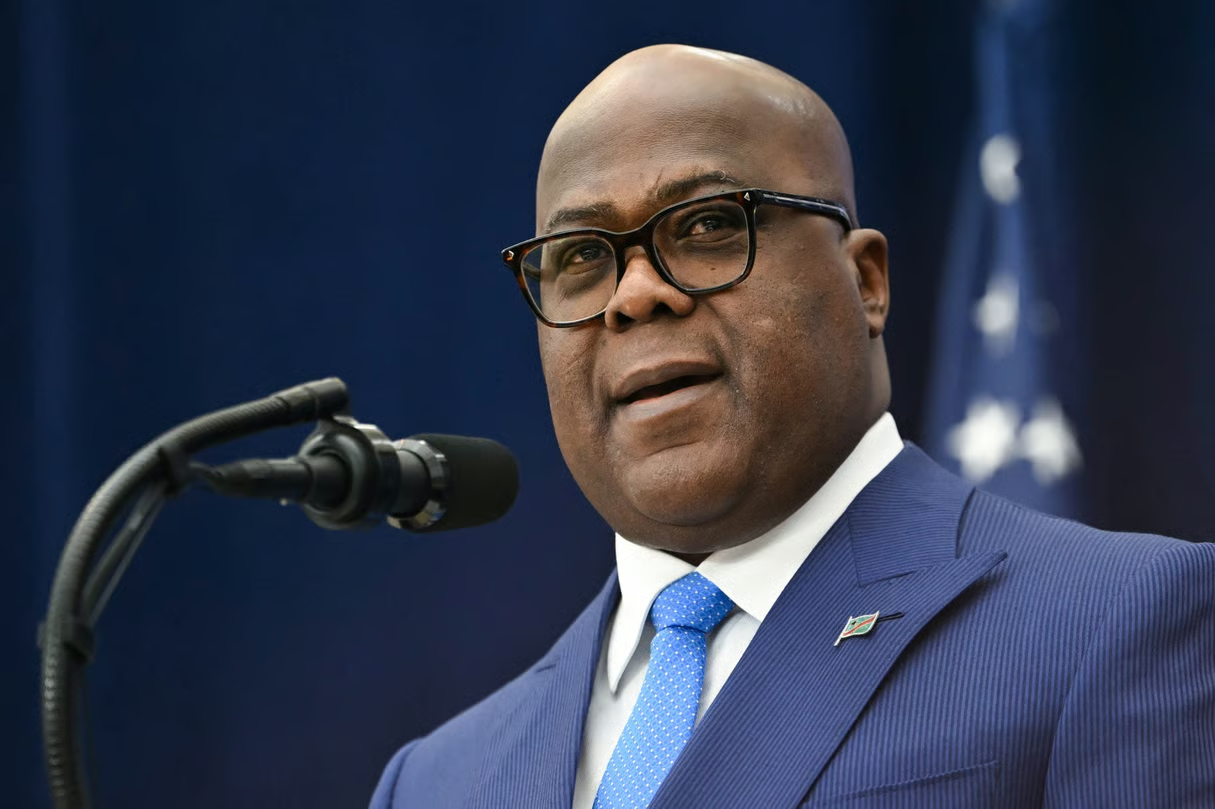
In a landmark decision, the Constitutional Court of the Democratic Republic of Congo has upheld a legislative amendment that paves the way for President Félix Tshisekedi to seek re-election in the upcoming vote.
The ruling, delivered after weeks of intense legal scrutiny, removes the final legal obstacle blocking the president’s eligibility for a third term. The decision has sparked immediate reactions across the political spectrum, with supporters hailing it as a victory for constitutional flexibility and critics denouncing it as a setback for democratic norms.
key implications of the court’s verdict
The court’s endorsement of the amendment effectively alters the term limit provisions in the country’s constitution. Previously, the charter restricted leaders to two consecutive terms, a clause that had been a cornerstone of the DRC’s post-conflict governance framework. Now, with the amendment validated, Tshisekedi is free to contest the next presidential election.
The ruling also raises broader questions about the balance of power within the DRC’s institutions. Legal experts suggest that the decision could set a precedent for future constitutional changes, particularly in nations grappling with leadership succession challenges. Meanwhile, opposition figures have vowed to challenge the outcome, framing it as a violation of the people’s democratic rights.
public and political reactions
The court’s announcement has ignited a wave of debate in Kinshasa and beyond. Supporters of the president argue that the amendment is a pragmatic solution to ensure continuity in leadership during a critical period for the nation. They point to Tshisekedi’s efforts to stabilize the economy and improve security as reasons to extend his mandate.
Opposition leaders, however, have condemned the ruling as an abuse of power. They argue that the amendment undermines the spirit of the constitution and erodes public trust in electoral integrity. Calls for mass protests have begun to surface, with some activists warning of potential unrest if the decision is not reversed.
The government has yet to issue an official response, but insiders report that Tshisekedi is likely to announce his candidacy in the coming weeks. The move comes as the DRC prepares for an election cycle that will shape the country’s future trajectory.
what’s next for the democratic republic of Congo?
The ruling has set the stage for a high-stakes political showdown. With the legal pathway now clear, Tshisekedi is expected to launch his re-election campaign, positioning himself as the frontrunner in a field of yet-to-be-announced challengers. The opposition, meanwhile, is scrambling to unite behind a single candidate to challenge his bid for a third term.
As the nation braces for what promises to be a contentious electoral process, the focus will remain on whether the amendments will be perceived as a legitimate democratic evolution or a step backward for the country’s young democracy. The coming months will be pivotal in determining the DRC’s political and social stability.
You may also like
-
Cameroon man jailed for insulting president paul biya
-
Burkina Faso shines at U18 and U20 Five Nations Championships 2026
-
Mor tallah gueye quits Senegal’s fdcuic in solidarity with sonko
-
Political funds controversy: Guy Marius Sagna exposes Ousmane Sonko’s payments
-
Guy Marius Sagna dévoile les sommes reçues par Ousmane Sonko avec les fonds politiques