
Chad’s unrelenting fight against Boko Haram under transitional leadership
Since assuming power in April 2021, Mahamat Idriss Déby Itno has faced one of the most persistent security challenges in Chad’s recent history: the Boko Haram insurgency. The decade-long conflict has drained resources, tested military resilience, and forced civilians into a cycle of displacement and hardship. Now, under Déby Itno’s transitional administration, the battle enters a decisive yet grueling phase.
From sporadic attacks to sustained attrition warfare
The evolution of the conflict has shifted from isolated raids to a prolonged war of attrition. Boko Haram, now operating under the Islamic State’s West Africa Province (ISWAP), has intensified its tactics, targeting border regions near Nigeria and Cameroon. The group’s leadership, including commanders like Bakura Doro, has exploited porous borders to launch raids on villages, military outposts, and supply routes.
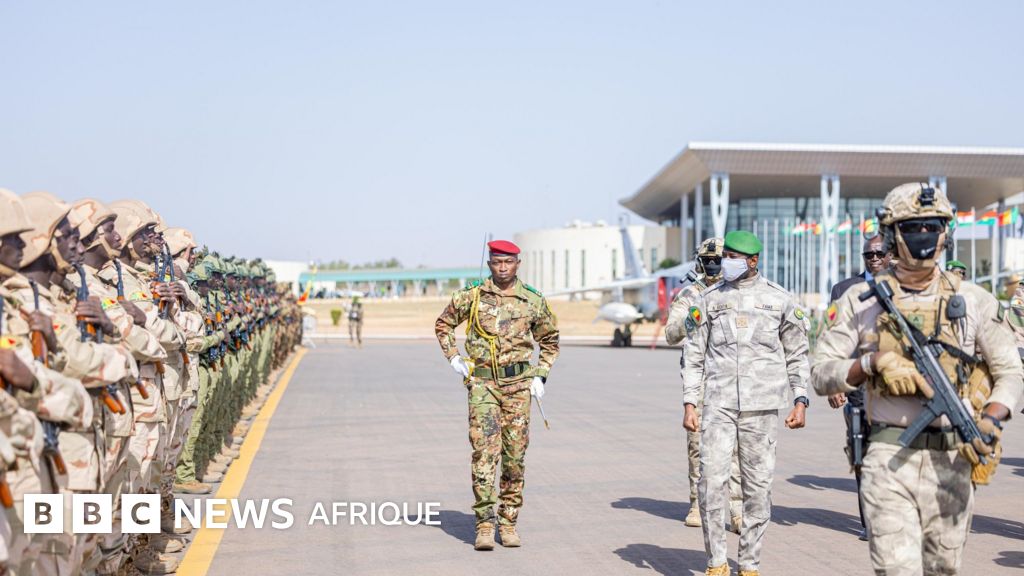
Chad’s military response has been robust but costly. The Chadian Armed Forces (ATS) have conducted large-scale operations, including Operation Wrath of Boma, aimed at dismantling insurgent strongholds. Despite tactical successes, the group’s decentralized structure and use of guerrilla warfare have prolonged the conflict.
Civilian toll and regional spillover
The humanitarian fallout remains severe. Thousands of families have fled their homes, seeking refuge in displacement camps across Lake Chad basin. Food insecurity, limited access to healthcare, and disrupted education have become hallmarks of life in these areas. The crisis has also strained relations with neighboring countries, as cross-border attacks force coordinated but often reactive responses.
International partnerships, including support from France and the African Union, have bolstered Chad’s counterterrorism efforts. However, the transitional government’s focus on restoring stability clashes with the urgent need for long-term development and reconciliation.
Déby Itno’s balancing act
As Chad navigates this security storm, Mahamat Idriss Déby Itno faces a delicate balance. Strengthening military capabilities while addressing governance gaps is critical. Recent reforms in the defense sector aim to professionalize the armed forces, but public trust hinges on tangible improvements in safety and economic stability.
The coming months will test whether Chad can turn the tide against Boko Haram or if the insurgency will continue to erode the nation’s progress. One thing is certain: the fight is far from over.