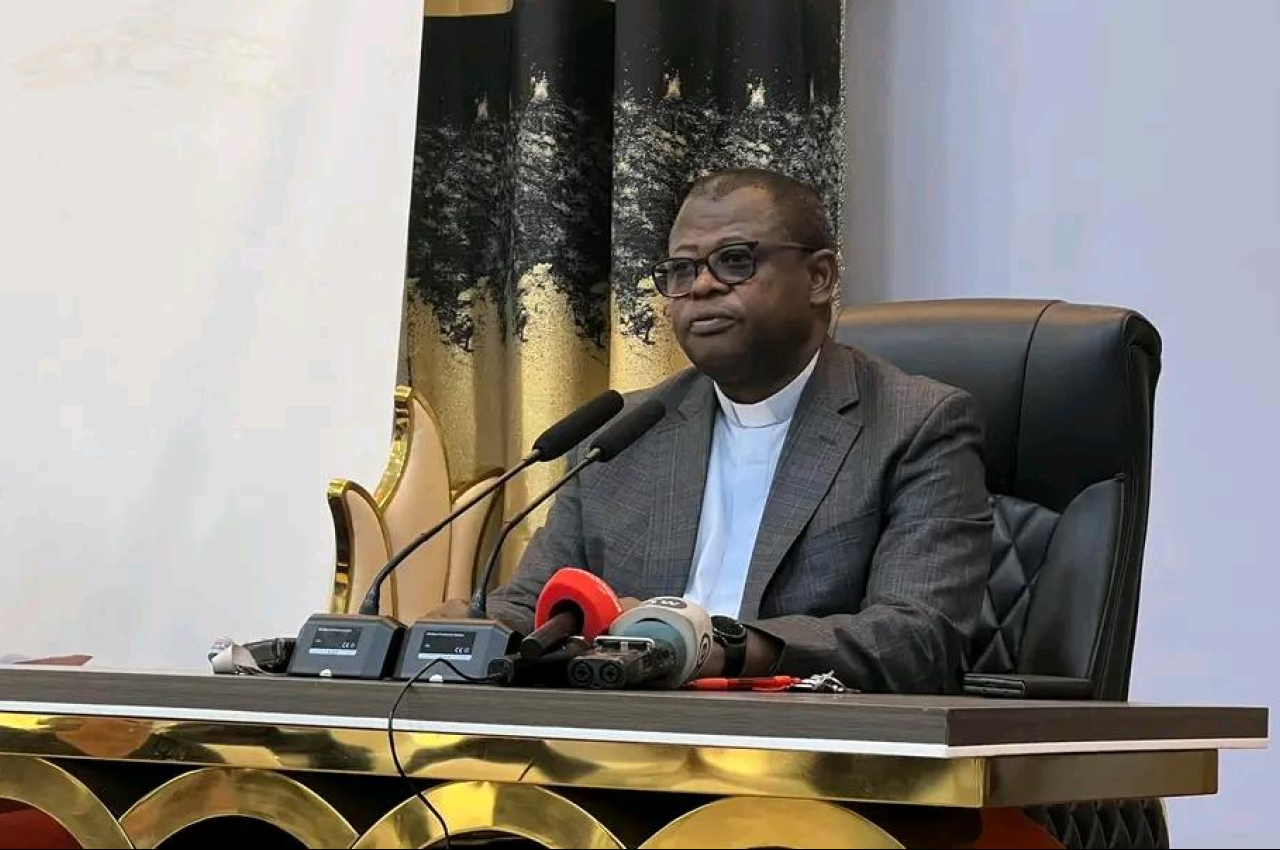
The Article 64 coalition, which is leading the charge against the proposed constitutional revision in the Democratic Republic of Congo (RDC), has just secured a major endorsement. The National Episcopal Conference of Congo (CENCO) has issued a blunt rejection of the project, asserting that its true purpose is to allow President Félix Tshisekedi to seek a third term. Such a move would directly violate the current constitutional framework, which limits a head of state to two terms. Religious leaders have warned that this political agenda places the entire nation in jeopardy.
The risks of ignoring the call for constitutional stability
The Church maintains that any attempt to force through these changes carries immense risks, including the potential balkanization of the country. With the nation facing numerous challenges, the clergy has called upon the Congolese people to take control of their destiny to prevent their future from being compromised. Beyond this public appeal, CENCO has also urged Félix Tshisekedi to honor the oath he took to respect and defend the nation’s supreme law.
Whether this message will be heeded remains to be seen. However, it is clear that the government will view this intervention unfavorably, especially since it follows the parliament’s recent approval of a referendum law. This legislative step has given the executive branch the green light to organize a constitutional vote, signaling that the administration is prepared to see the process through to the end. This raises the question: is the Church’s warning falling on deaf ears, or will Félix Tshisekedi reconsider his path?
While the bishops maintain they are not officially joining the political opposition, their firm stance on this controversial issue provides significant momentum to those fighting the amendment. For the leader in the Palais de Marbre, continuing to ignore these voices could be a strategic error. The emergence of multiple opposition fronts threatens to weaken the current administration and could lead to severe political consequences.
A growing front against the third-term project
The Catholic Church is operating within its traditional role by demanding the preservation of the constitutional order. As advocates for peace, the prelates cannot remain silent on a project that divides the population and carries the seeds of future conflict. As citizens themselves, the religious leaders are deeply invested in the nation’s stability and refuse to be sidelined from the conversation regarding its future.
Félix Tshisekedi now finds himself in a difficult position. While he could previously dismiss the opposition—despite their street protests and “dead city” operations—the entry of CENCO into the debate as a powerful civil society actor changes the dynamic. The clergy has already signaled to their followers that further actions may be necessary, which could lead to restless nights for the presidency in the coming months.
It is worth noting that Félix Tshisekedi once benefited from the very same pressure the Church is now applying. In 2017, it was the Catholic Church that played a decisive role in forcing Joseph Kabila to abandon his own ambitions for an unconstitutional extension of power. To exit history with dignity, the current president must weigh his options carefully. With the ongoing security crisis in eastern RDC and the persistent threat of Ebola, the Congolese people are already enduring enough hardship without the added burden of a constitutional crisis.