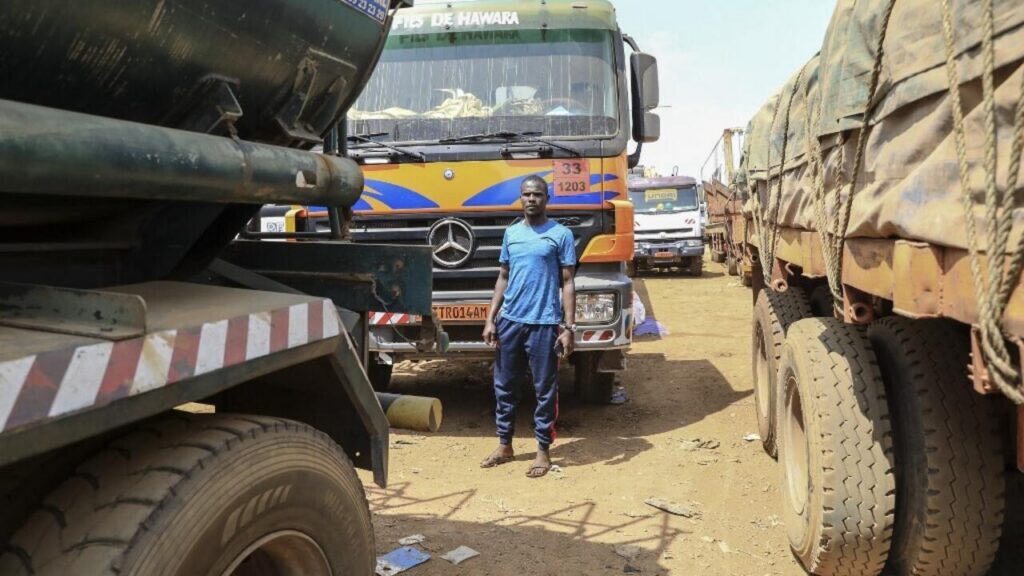
The Cameroun government has just secured a transformative funding package to revitalize one of West Africa‘s most critical trade routes. A landmark agreement with the World Bank unlocks $425 million in initial financing for the rehabilitation of the 800-kilometer Douala-Bangui corridor, a vital artery for regional commerce.
Revolutionizing trade logistics
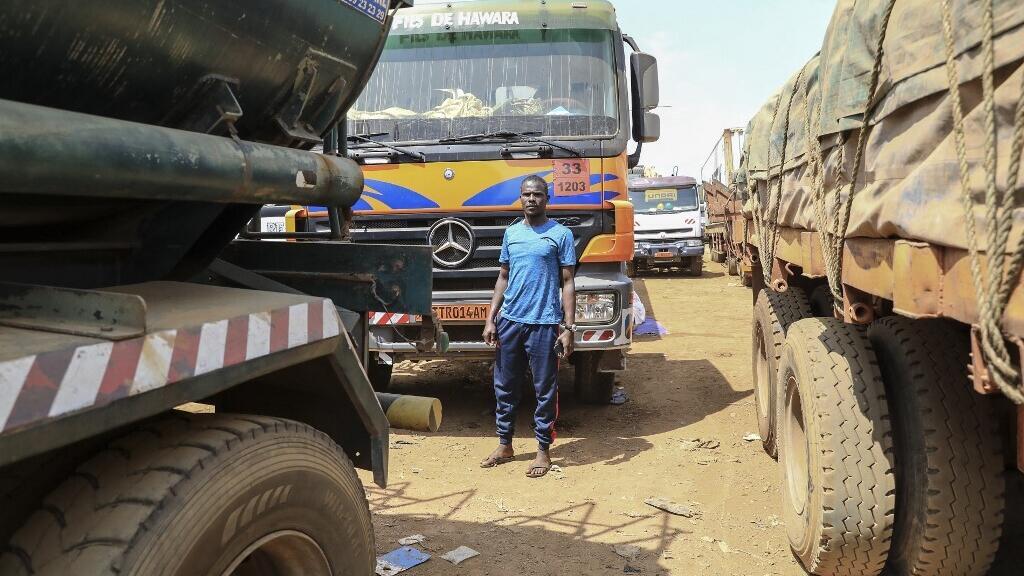
This infrastructure overhaul promises to slash transport times dramatically between Cameroun‘s economic hub of Douala and the Central African Republic’s capital. Current travel days range from nine to twelve for the 1,400-kilometer stretch, with deteriorating road conditions and 17 informal checkpoints creating costly bottlenecks. Donnat Takueté, Director General of Studies at the Ministry of Public Works, explains the game-changing innovations: «We’ll implement an automated pre-selection system where only suspect overloaded vehicles proceed to weighing stations. Fines, when applicable, will be automatically recorded with receipts printed on the spot.»
Strategic investment priorities
Anne-Cécile Souhaid, World Bank Director for West and Central Africa, details the phased approach: «Phase one directs $425 million to Cameroun and $90 million to the Central African Republic, while also providing regional support through the Economic and Monetary Community of Central Africa to prepare for subsequent phases.» This targeted allocation addresses the most critical segments first, with Cameroun prioritizing the Yaoundé-Douala route and key sections connecting to the Central African Republic.
Key infrastructure upgrades
Emmanuel Nganou Djoumessi, Cameroun’s Minister of Public Works, outlines the comprehensive roadwork program: «We’re reconstructing the 215-kilometer Yaoundé-Douala highway while rehabilitating the 332-kilometer Yaoundé-Bonis-Ayos section and the Bonis-Bertoua corridor.» These improvements will create a modern, efficient trade corridor spanning 800 kilometers, directly supporting regional economic integration.
Economic impact and job creation
The project’s ripple effects extend beyond infrastructure. Officials anticipate generating between 2,000 and 4,000 direct and indirect employment opportunities throughout the construction period. More significantly, the corridor handles 80% of goods destined for the Central African Republic and 70% for Chad, making this investment crucial for regional stability and economic growth.
The rehabilitation work is scheduled to commence next year, with completion expected over several years. This ambitious project represents not just a transportation upgrade but a strategic investment in West and Central Africa’s economic future.
You may also like
Molodo ambush fallout: Mali’s public debate shifts as Africa Corps credibility crumbles
United Russia’s 355 seats: the fallout, the debate, and what comes next for Russia’s Douma
After the flames: Moscow refinery strike sparks debate over where this war is heading
Benin’s ARS second term: the debate, the doubts and what happens next
After 600 Nigerians cross into Nwa, what happens next in Cameroon’s North West?