Burkina Faso’s latest foray onto the UMOA financial market has ignited a fresh wave of public debate, exposing the tension between a sovereignty-first narrative and the hard arithmetic of public finance. On 7 October 2026, the state once again turned to private investors in the West African Economic and Monetary Union to raise 40 billion CFA francs — a move that has reignited questions about the true cost of market debt and what it means for the country’s future.
The fallout: a sovereignty narrative under strain
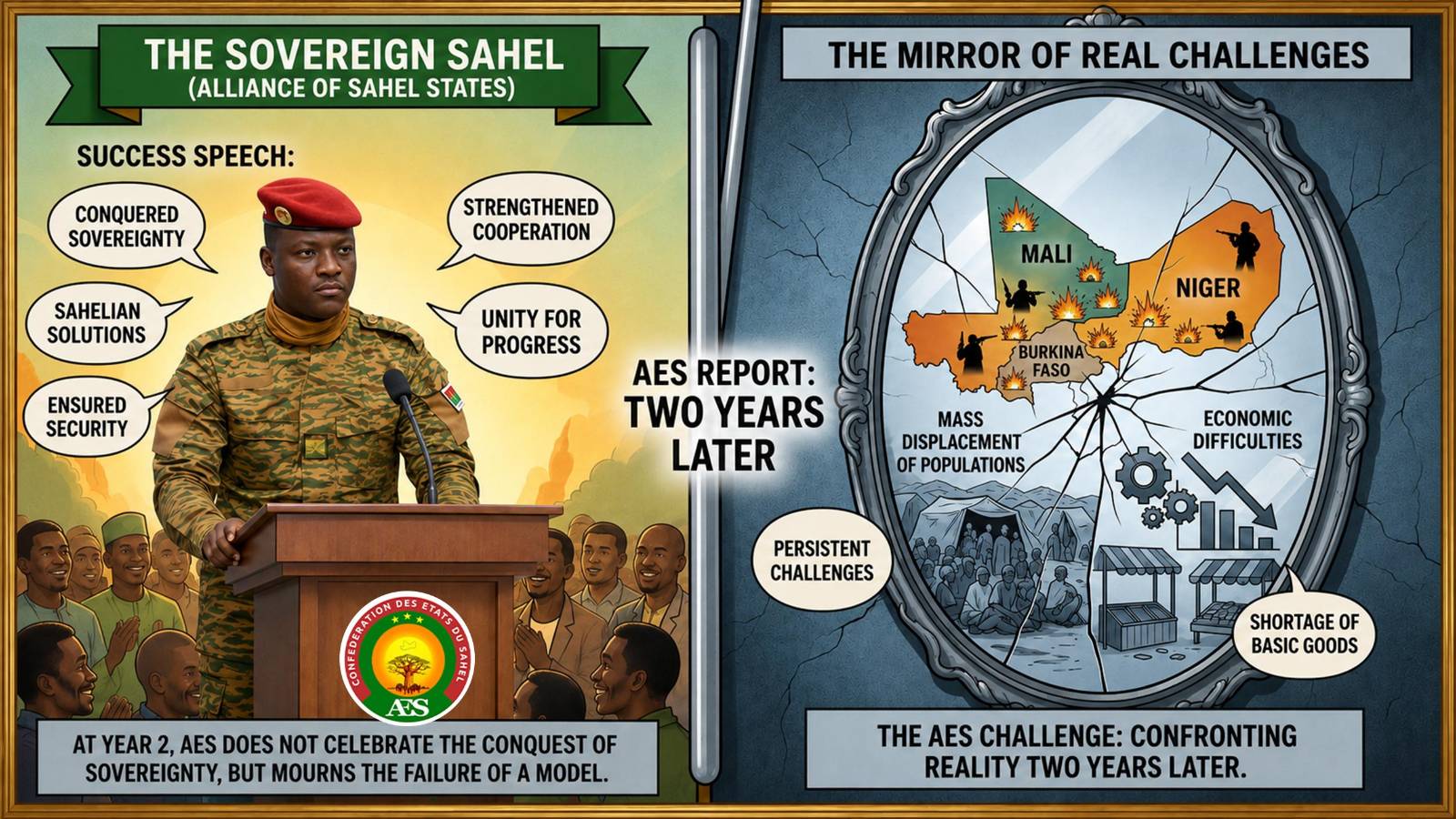
The operation has thrust a long-simmering contradiction into the open. While the executive continues to champion self-reliance and the mantra of counting on our own forces, current public revenues simply cannot cover the state’s running costs and its war effort on their own. To make ends meet, Ouagadougou remains tied to sub-regional financial mechanisms and bank liquidity.
Borrowing within the UMOA zone does sidestep the direct oversight of Western donors or multilateral institutions. Yet this money comes at a price. It is market debt that must be repaid with interest — often at steep rates — adding to the tax burden of future generations.
The debate: opacity and the real cost of borrowing
Beyond the technical success of the fundraising, the government has maintained a regrettable ambiguity about the actual terms of the operation. Neither the marginal interest rate granted to creditors, nor the precise maturities of the securities, nor the priority allocation of the 40 billion has been made public in detail.
How much of this defence effort is absorbing these resources at the expense of basic social infrastructure? And at what financial cost is the public treasury buying this immediate liquidity? Without full transparency on the effective cost of this debt, the narrative of financial autonomy risks colliding with the reality of market dependencies for the long haul.
What comes next: scenarios for Burkina Faso’s fiscal path
The immediate reaction from civil society and economic analysts has been a mix of concern and calls for accountability. Many are asking whether the government can sustain this borrowing pattern without a clear repayment strategy or a public accounting of how the funds are used. The coming months will test whether Ouagadougou can reconcile its sovereignty rhetoric with the discipline that market creditors demand.
Looking ahead, three questions will shape the outlook. First, will the authorities disclose the full terms of this and future bond issues, allowing citizens to judge the trade-offs? Second, can domestic revenue mobilisation be strengthened enough to reduce reliance on external borrowing? Third, how will the weight of this debt affect spending on health, education and infrastructure — sectors already under pressure?
For now, the 40 billion CFA franc operation stands as a stark reminder that even the most resolute sovereignty discourse must ultimately answer to the bond market’s ledger. The fallout is not just financial; it is a test of political credibility and public trust. How Burkina Faso navigates the next phase will determine whether this borrowing becomes a pragmatic tool or a lingering liability.