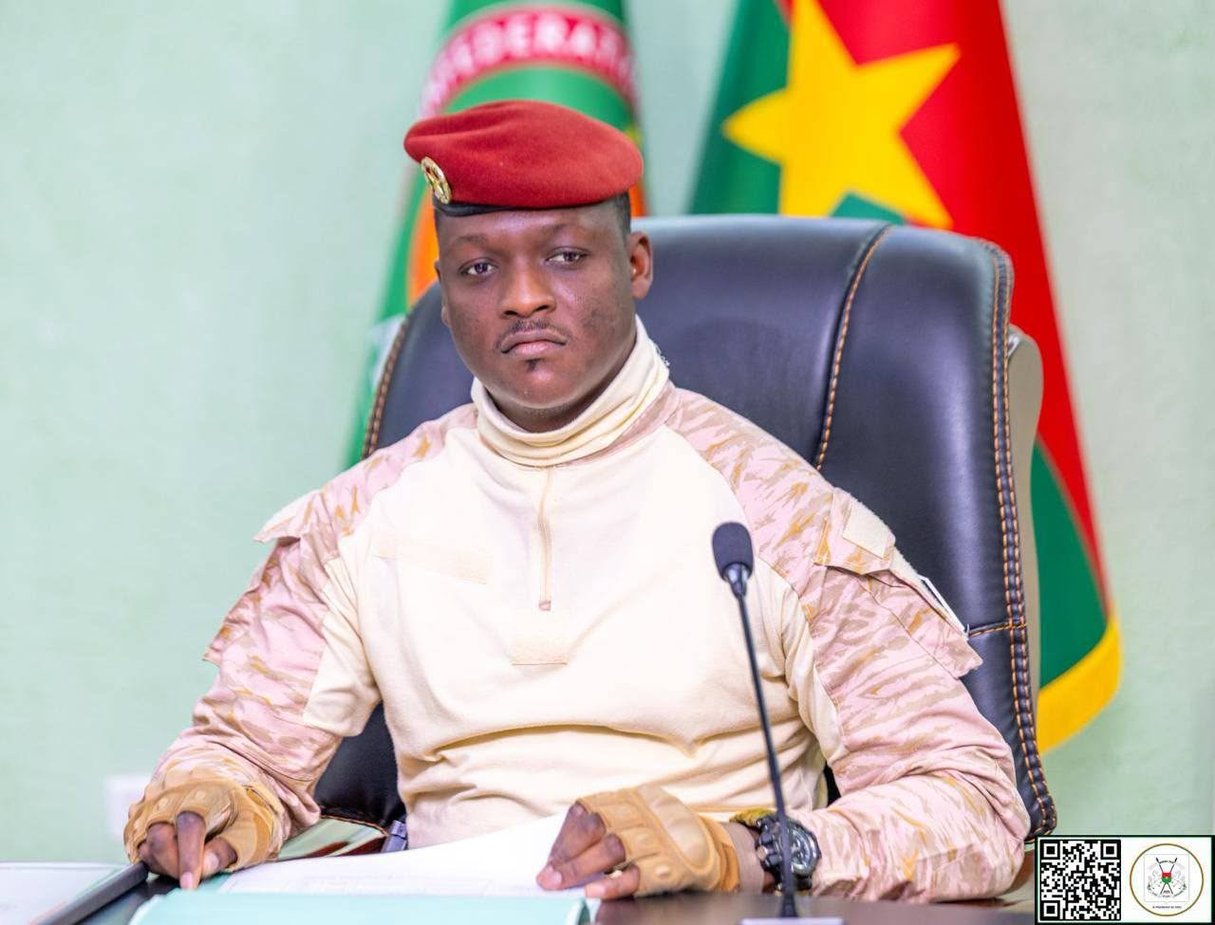
In a historic and unprecedented move, Burkina Faso has declared the suspension of all diplomatic relations with France, citing deepening strains between the two nations. The announcement came as President Ibrahim Traoré addressed the nation from Ouagadougou, underscoring the government’s resolve to chart a new course in its foreign policy.
Diplomatic rupture: a bold step toward sovereignty
President Traoré’s statement marked a decisive break from decades of close ties with France, signaling a major shift in Burkina Faso’s international relations. The decision reflects growing frustration with what officials describe as interference and unilateral actions by the former colonial power. While the specifics of the rupture were not immediately detailed, government sources confirmed that all bilateral agreements, including military and economic cooperation, are under review.
Analysts suggest this move aligns with a broader trend across West Africa, where several governments are reevaluating their partnerships with former colonial powers. Burkina Faso’s bold stance could influence neighboring countries grappling with similar sovereignty concerns.
Implications for regional stability
The diplomatic fallout is expected to have far-reaching consequences, particularly for regional security and economic cooperation. France, a key player in the Sahel, has been a major provider of military support to Burkina Faso in its fight against militant groups. The rupture raises questions about the future of this cooperation and the potential for new alliances.
In Ouagadougou, reactions have been mixed. While some citizens express support for the government’s assertive approach, others voice concerns over the economic and security vacuum that may follow. The transitional authorities have assured the public that alternative partnerships are being explored to mitigate potential disruptions.
What’s next for Burkina Faso?
The government has indicated that a detailed plan for redefining its international engagements will be unveiled in the coming weeks. Key areas of focus include strengthening ties with regional blocs like the Economic Community of West African States (ECOWAS) and exploring partnerships with non-traditional allies. Until then, the nation remains in a period of transition, balancing sovereignty ambitions with the realities of a challenging security landscape.
As Burkina Faso embarks on this new chapter, the world watches closely to see how this diplomatic rupture will reshape its role in West Africa and beyond.