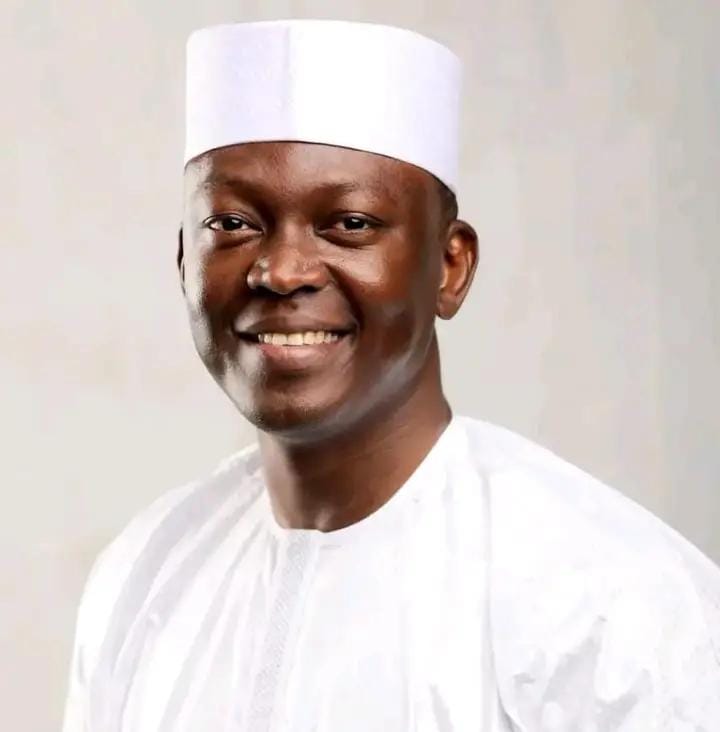
Barely settled into his new role, Benin’s freshly inaugurated President Romuald Wadagni is embarking on a dual-city diplomatic mission to Niamey and Ouagadougou on June 2. This simultaneous visit marks the opening chapter of a broader West African tour aimed at recalibrating the region’s political and economic alignments. Sworn in on May 24 in Cotonou, the successor to Patrice Talon is seeking to mend fractured ties between Benin and its two Sahelian neighbors, led by General Abdourahamane Tiani and Captain Ibrahim Traoré respectively.
Diplomatic overtures to restore saharan bonds
President Wadagni’s trip comes at a time when relations between Cotonou, Niamey, and Ouagadougou have strained to their lowest point. Since the military takeovers in Niamey last July and Ouagadougou earlier this year, diplomatic relations had cooled significantly. The previous administration in Cotonou had maintained a stance perceived as aligned with the Economic Community of West African States (ECOWAS), an organization viewed with suspicion by the Sahelian juntas.
The arrival of Romuald Wadagni, a former Finance Minister known for his pragmatic approach, signals a shift in strategy. By choosing to engage directly rather than rely on formal statements, the new leader is making a clear statement of intent. This two-city visit within his second week in office underscores a deliberate effort to address long-standing disputes, including the closure of the Niger-Benin border and mutual accusations regarding cross-border security challenges.
Reviving the Cotonou-Niamey trade corridor
The economic implications of the Cotonou-Niamey corridor, historically a vital logistics route for landlocked Niger, are at the forefront of discussions. The disruption of trade flows, triggered first by ECOWAS sanctions and later by Niger’s withdrawal from the bloc along with Mali and Burkina Faso, has dealt a severe blow to Beninese economic operators. The Port of Cotonou has seen a noticeable decline in traffic destined for the Sahel, with neighboring ports in Lomé and Tema increasingly favored.
For Benin, restoring smooth trade relations is both an economic and diplomatic priority. Customs and port revenues form a significant portion of public finances. Achieving normalization will require the full reopening of border crossings and the removal of additional tariffs imposed by both sides. Security concerns, particularly the threat posed by armed groups operating in the W National Park and along the shared border, are also expected to dominate the agenda.
Balancing act between AES and ECOWAS
The diplomatic tightrope President Wadagni must walk is not lost on observers. While Benin remains a member of ECOWAS, the administration is seeking to re-establish meaningful dialogue with the Alliance of Sahel States (AES), formed in September 2023 by Niger, Burkina Faso, and Mali to formalize their divergence from the Abuja-based organization. The challenge lies in navigating this dual allegiance without appearing to endorse the military transitions or abandoning Benin’s regional commitments.
The symbolic weight of this trip is not overlooked. By selecting Niamey and Ouagadougou as his first international destinations outside the coastal zone, President Wadagni is sending a powerful message to historic partners with whom Benin shares not only borders but also pressing security challenges in its northern reaches. Repeated jihadist attacks in northern Benin, attributed to groups affiliated with Al-Qaeda and the Islamic State, have made renewed cooperation with Sahelian military forces indispensable.
The true test will be the reception awaiting President Wadagni in Niamey and Ouagadougou. The transitional authorities have so far favored partnerships with Moscow and a diplomatic realignment away from traditional West African frameworks. The Beninese president’s gamble is to prove that a distinct Beninese path, independent of ECOWAS directives, can deliver tangible benefits for border communities and economic operators alike.