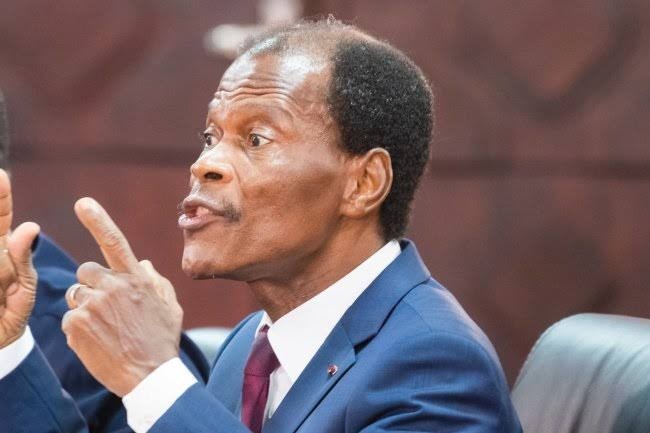
The decision by Benin’s Court of Appeal to keep Candide Azannaï, leader of the Restaurer l’Espoir party, behind bars has sparked a fresh wave of public debate across the country. Supporters of the opposition figure have voiced frustration, while legal observers and civil society groups have largely welcomed the ruling as evidence that the judiciary is pressing ahead with its inquiry into the alleged coup attempt foiled on 7 December 2025. The fallout is already reshaping conversations about judicial independence, political stability and what comes next for a nation still navigating the aftermath of a dramatic security episode.
Why the detention ruling is being read as a test of judicial resolve
At the heart of the case are serious accusations: conspiracy against state security and incitement to rebellion. Azannaï, a former minister arrested in December 2025, has consistently denied any involvement. The Court of Appeal’s decision to uphold his pretrial detention is not, according to judicial sources, a punitive measure but rather a procedural step aimed at preventing interference while investigators continue their work. With several co-defendants still at large, the court argued that releasing the high-profile suspect could compromise the search for truth.
How the appeal hearing unfolded and what it revealed
The hearing itself offered a rare window into the inner workings of Benin’s legal machinery. After the defense’s initial request for provisional release was turned down by the liberty and detention chamber, Azannaï’s lawyers exercised their right to appeal. He was brought from detention to appear in person before the judges — a detail that his counsel, Me Aboubacar Baparapé, highlighted as proof that the proceedings have been conducted transparently and in full respect of defense rights.
Speaking after the session, Baparapé noted that the substantive questioning of his client had been completed, saying: “His interrogation on the merits is over, there are no other elements left.” He added that Azannaï had been free to state his case, insisting: “In any case, he said he is not involved in this affair, that he is not concerned by everything being invented around him in relation to this case.” The lawyer also indicated that the defense would not give up, vowing: “We will, when the time comes, file a new request until we are heard.”
What the ruling means for the coup inquiry and public trust
For many in Cotonou and beyond, the decision sends a dual signal. On one hand, it reinforces the message that no one is above the law, even a well-known political figure. On the other, it raises questions about how long pretrial detention can last and whether the pursuit of alleged fugitives justifies keeping a suspect in custody for an extended period. Legal analysts point out that Benin’s Code of Criminal Procedure allows continued detention when there is a risk of evidence tampering or collusion with suspects on the run — a rationale the court explicitly cited.
Reactions have been mixed. Government officials have remained largely silent, while opposition voices have described the move as politically motivated. Civil society organizations, however, have called for calm and urged the public to let the judicial process run its course. “The best response to critics is a fair trial that establishes the truth,” one local observer noted, echoing a sentiment shared by several legal experts.
Where the case goes from here: next steps and possible scenarios
The immediate outlook is one of continued legal maneuvering. The defense is expected to file further requests for release as the investigation progresses. Meanwhile, the Court of Repression of Economic Offences and Terrorism (CRIET) is under pressure to wrap up its inquiry, especially as the search for remaining suspects continues. If those individuals are arrested or if the investigative phase concludes, the legal basis for Azannaï’s detention could be reassessed.
Beyond the courtroom, the case is likely to influence public discourse on judicial independence and the balance between security and individual freedoms. Some analysts suggest that how this affair is handled could set a precedent for future terrorism-related prosecutions in Benin. Others warn that prolonged detention without trial risks eroding public confidence, particularly among younger citizens who are watching closely.
The broader stakes for Benin’s democratic trajectory
Benin has long been viewed as a relatively stable democracy in a region troubled by coups and unrest. The 2025 coup attempt was a stark reminder that no country is immune to instability. How the authorities manage the aftermath — including the prosecution of alleged plotters — will shape perceptions of the country’s commitment to rule of law and human rights. The Azannaï case, in particular, has become a litmus test for the judiciary’s ability to withstand political pressure and deliver impartial justice.
As the legal saga unfolds, the focus will remain on the courts. For now, the decision to keep Azannaï in detention stands, and the nation waits to see whether the next chapter brings new evidence, new rulings, or a shift in the political atmosphere. What is clear is that the fallout from this single ruling is already reverberating far beyond the walls of the courtroom.
You may also like
Djenné attack aftermath: Mali’s fuel blockade sparks debate over army’s next move
Benin’s supreme court ruling on General Houndégnon: reactions, debate and what happens next
After Benin’s UN security council session: the debate over good neighborliness and what happens next
Senegal’s dissolution debate: reaction and fallout after Diomaye Faye’s remarks
Kemi Seba protection fallout: what next for Niger-Benin reconciliation?