Angola and DRC ink deal for Dilolo-Sakania railway line
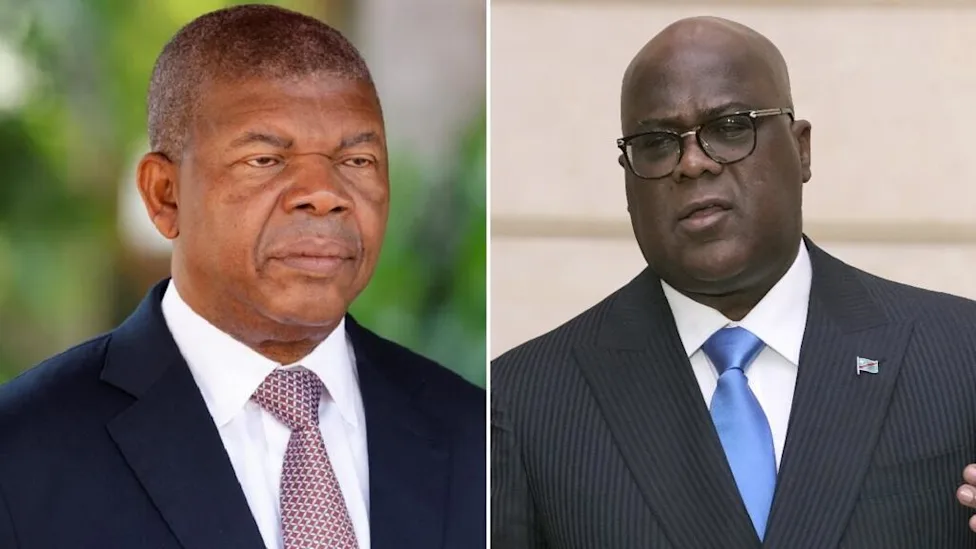
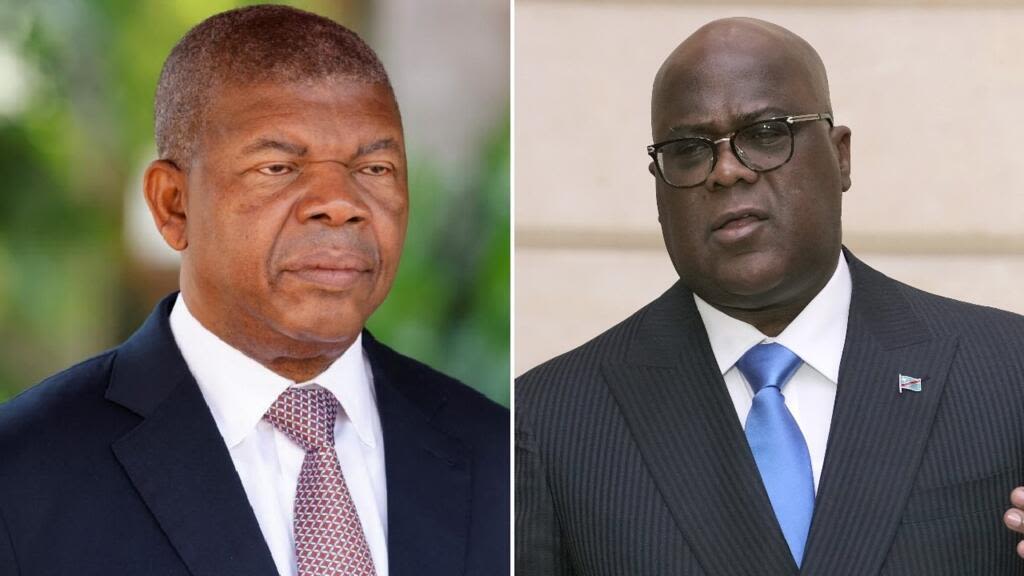
The Democratic Republic of Congo (DRC) and Angola have formally signed a concession agreement for the vital Dilolo-Sakania railway line. This significant thirty-year pact encompasses the rehabilitation, modernization, expansion, and operational management of the railway corridor connecting Dilolo in Lualaba province to Sakania in Haut-Katanga province.
Under the terms of this agreement, the Congolese state will maintain ownership of the railway infrastructure. Furthermore, the state is set to retain at least 10% of the project company’s capital. Upon the conclusion of the three-decade concession period, all upgraded infrastructure will be fully transferred back to the Congolese government.
The concessionaire is tasked with the full assumption of all financing responsibilities and traffic-related risks, without any sovereign guarantees or operational subsidies from the DRC. President Félix Tshisekedi of the DRC has underscored the anticipated positive impacts on the national economy, including the creation of new employment opportunities, specialized training for young people, increased engagement of local businesses, and the crucial transfer of advanced technologies.
This strategic corridor is designed to facilitate the transport of a wide array of goods, extending beyond just minerals to include agricultural produce, industrial inputs, hydrocarbons, containers, consumer products, and passengers. This diversification aims to boost regional trade and economic activity.
Kinshasa and Luanda are also committed to synchronizing their respective railway operations, standardizing tariffs, and streamlining customs procedures to enhance efficiency and cross-border movement.
With an estimated cost of 1.2 billion, this ambitious project will be complemented by the development of new cross-border roads, modern logistical platforms, and essential energy infrastructure. Both nations are also keen to revitalize their cooperation in the hydrocarbon sector and accelerate electrical interconnection efforts, particularly to ensure a stable power supply for the resource-rich Katanga region.