
The Promise of Financial Independence in Niger
Under the leadership of the transitional authorities in Niamey, a bold claim has taken center stage in public discourse: Niger is financing its development without relying on foreign debt. The phrase, echoed across official channels and pro-government narratives, suggests that infrastructure projects, equipment acquisitions, and state modernization efforts are being funded solely through domestic resources. This narrative positions Niger as a nation breaking free from the shackles of international lenders—a message that resonates deeply in a region marked by post-colonial economic dependencies.
A Discrepancy between Rhetoric and Reality
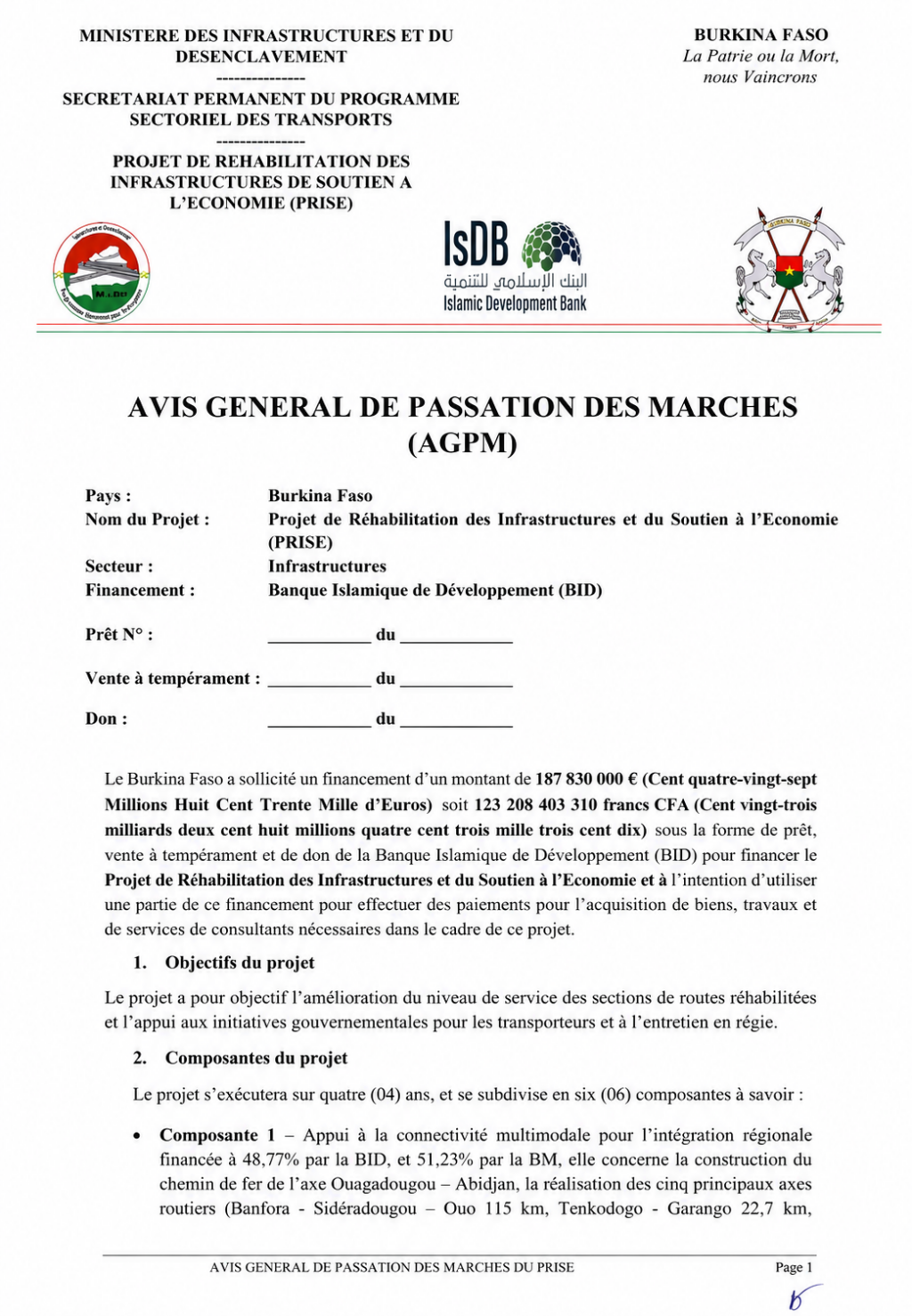
While the idea of financial sovereignty is undeniably compelling, the facts paint a more nuanced picture. Public records, financial agreements, and official disclosures reveal a different story: Niger continues to secure loans from multilateral and bilateral partners to fund critical projects. These funds, often described as concessional loans, carry repayment obligations that extend over decades, even if the terms are favorable.
For example, recent agreements with development institutions have injected billions of CFA francs into road rehabilitation and public works. Yet, these inflows are not gifts—they are loans that will eventually demand repayment, underscoring the persistent role of external financing in Niger’s economic strategy.
Why the Contradiction Matters
The insistence that “there is no debt involved” raises a fundamental question: If Niger’s development relies on international financing, why deny the existence of such obligations? While no nation funds its growth entirely on its own, the gap between stated autonomy and actual reliance on external credit fuels skepticism about the government’s transparency.
This disconnect is particularly glaring given Niger’s economic landscape. The country faces mounting challenges that strain public finances:
- Escalating security expenditures to combat insurgencies;
- A rapid increase in military spending;
- Severe pressure on state revenues;
- Critical gaps in infrastructure;
- Large-scale population displacements;
- Weakened tax collection amid economic slowdowns.
Against this backdrop, claims of self-financed megaprojects appear implausible to many observers, including economists and financial analysts.
The Real Issue: Transparency Over Slogans
Debt itself is not inherently problematic. When used judiciously, it can accelerate development by funding productive infrastructure, improving public services, and stimulating growth. The critical factor is accountability—citizens deserve clarity on:
- The exact sources of financing;
- The scale of loans contracted;
- The interest rates applied;
- The repayment schedules;
- The collateral or guarantees provided;
- The true cost of projects.
A responsible financial governance model prioritizes clear, accessible information over catchy slogans. Without it, public trust erodes, and the risk of unsustainable debt burdens grows.
The Political Dimensions of the Narrative
The slogan “no debt involved” serves a clear political purpose. It bolsters the image of a government that has broken from past practices, framing every new road, hospital, or school as proof of regained independence. This narrative also taps into a broader sense of national pride, especially in a context where sovereignty and self-determination dominate political discourse.
Yet, when communication overshadows fiscal responsibility, it risks fostering unrealistic expectations about the state’s capacity to fund development without external support. Future generations will bear the consequences of today’s borrowing, making transparency not just a fiscal issue, but a democratic one.
True Sovereignty Lies in Responsible Management
Real economic sovereignty is not measured by the absence of debt, but by the ability to:
- Manage public finances sustainably;
- Invest in high-impact projects;
- Publish transparent accounts;
- Engage citizens in financial oversight;
- Use borrowed funds responsibly;
- Reduce dependency through economic diversification.
A strong nation is one that acknowledges its financial commitments, explains them to its people, and ensures they serve the public good—not one that hides behind slogans to mask the reality of its obligations.
Conclusion: Beyond Rhetoric to Responsible Governance
The narrative of total financial autonomy has captured public imagination, but it cannot sustain a nation’s economic strategy. The reality is that Niger, like many developing countries, continues to rely on external financing to bridge critical funding gaps.
The debate should not pit debt against sovereignty, but focus on how loans are contracted, managed, and repaid. Transparency, accountability, and responsible investment are the pillars of true economic independence—not the denial of financial realities.
Ultimately, it is not the presence of debt that defines a nation’s strength, but how it navigates its obligations for the benefit of current and future generations.
You may also like
Niger : à Niamey, un convoi d’eau destiné aux mercenaires russes saccagé par la foule
Burkina Faso : Apollinaire Kyélem de Tambèla blocked from leaving the country
Cameroun : Yaoundé mobilise 432 millions USD pour reprendre Société Générale Cameroun
Burkina Faso’s energy gamble: 104 billion CFA francs pledged as unpaid bills to Côte d’Ivoire linger
Bénin : comment la fermeture préventive des écoles du Nord déjoue les plans terroristes