
Morocco reiterates unwavering support for Libya’s political process
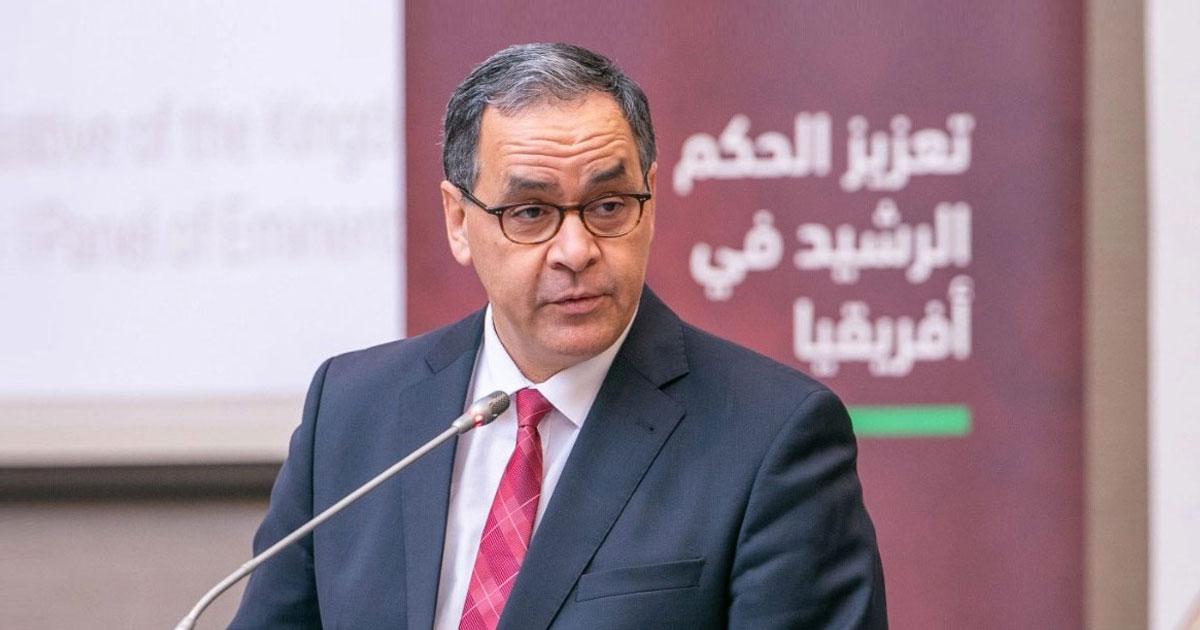
Morocco has once again underscored its firm commitment to fostering a political resolution in Libya. The statement came during the African Union’s Peace and Security Council (AUPSC) session in Addis Ababa, where Morocco’s Permanent Representative to the African Union and the United Nations Economic Commission for Africa, Mohamed Arrouchi, delivered a strong message of support.
During the meeting, Arrouchi reaffirmed Morocco’s backing for national reconciliation efforts and inter-Libyan dialogue initiatives aimed at strengthening progress and achieving a broad consensus among Libya’s political factions. He emphasized that the Skhirat Agreement, signed on December 17, 2015, under the auspices of the United Nations, remains a credible framework for a sustainable political solution to Libya’s ongoing crisis.
He further stressed the critical importance of preserving Libya’s unity, sovereignty, and territorial integrity as essential prerequisites for lasting stability in the country. Arrouchi also conveyed Morocco’s deep appreciation—under the leadership of His Majesty King Mohammed VI—for the African Union’s persistent efforts to promote peace, security, and stability across the continent, particularly in advancing a political resolution to Libya’s challenges.
Highlighting recent diplomatic breakthroughs, the Moroccan envoy recalled the meetings held in Tripoli and Zintan, which culminated in the signing of an agreement in Tripoli on January 7, 2026. This accord, brokered between representatives of the Government of National Unity and the government in the East, reflects a significant step forward in Libya’s reconciliation process.
Arrouchi also reiterated Morocco’s long-standing role in facilitating Libya’s political process, noting that its efforts to bridge divides between Libyan factions have earned the trust of all parties involved. These initiatives align with international legality, the principles outlined in the Skhirat Agreement, and the Bouznika understandings—all aimed at achieving a Libyan-led solution that satisfies the nation’s diverse political landscape.
He concluded by emphasizing the necessity of continuing to pursue a political settlement to Libya’s crisis, firmly rejecting any military escalation as a viable path forward.
You may also like
Le carnet de Malian relance l’enquête sur la migration clandestine au Sénégal
Mamadi Doumbouya de retour à Conakry après une visite d’État en Côte d’Ivoire
Elversberg vs Bayern Munich: kick-off time, tv channel and team news
Gabon : l’association Force ouvre un espace de propositions pour la rentrée
Dakar 2026 : Diomaye Faye confie la flamme olympique à la jeunesse sénégalaise