hundreds of displaced dogon families return to bankass after years of conflict
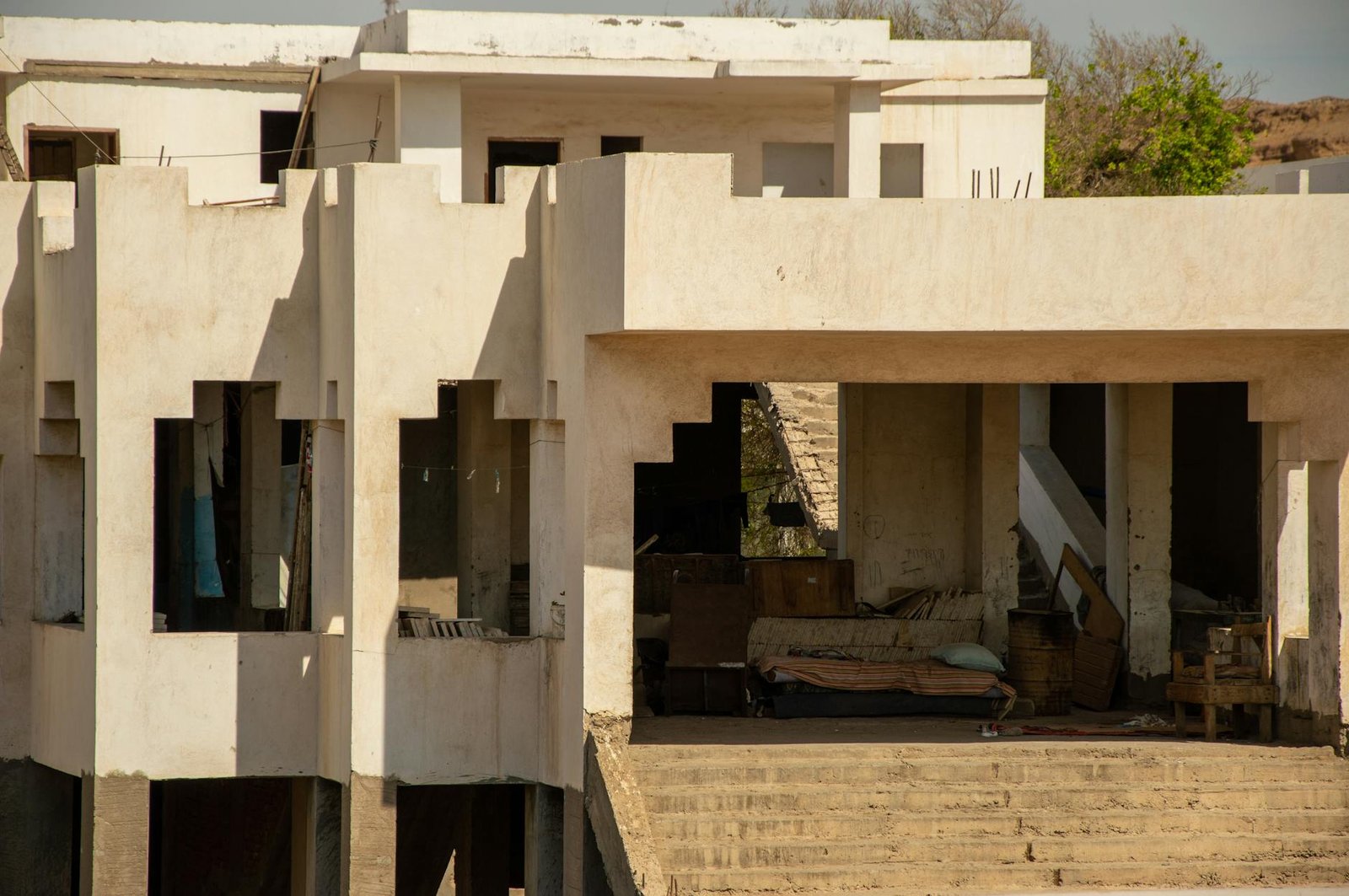
In a significant shift following years of displacement, hundreds of Dogon families from the Bankass district in central Mali have begun returning to their homes. This voluntary repatriation follows local agreements reached between village leaders and the Group for the Support of Islam and Muslims (JNIM), an armed faction linked to Al Qaeda operating in the region.
The return of these communities marks a tentative step toward normalcy, though it comes with stringent conditions imposed by the armed group. Among the most notable restrictions are the mandatory wearing of the veil for women and the closure of public schools, effectively banning Western-style education in the area.
strict rules govern daily life under jihadist influence
The new rules extend beyond dress codes. Men are now required to wear short pants, public gatherings are monitored for compliance with Islamic practices, and traditional authorities have been pressured to enforce these changes. The agreements also stipulate that local leaders must align with the armed group’s interpretation of Islamic law, known as sharia, as part of their collaboration with the community.
Despite these concessions, many displaced families see the return as an opportunity to reclaim their livelihoods. The onset of the rainy season in June has allowed them to resume farming activities, a critical step toward rebuilding their lives.
voices from the ground: a cautious return
An educator from Bare Darsalam village, who requested anonymity due to safety concerns, shared his perspective on the situation. After seven years in displacement, he returned without his wife and children, unsure of the long-term implications of the new rules.
>« Our school was destroyed during the 2019 village displacement. They shattered everything. Even if they asked us to rebuild it immediately, we wouldn’t agree. We’ve only returned after receiving guarantees from the Bankass mayor. We haven’t started wearing short pants yet, nor have we brought back our wives, so we’re still figuring out what’s expected of us regarding the veil. »
Local leaders, including Allaye Guindo, mayor of the Bankass urban commune, acknowledge the complexity of the situation but emphasize the progress being made. According to Guindo, the agreements have paved the way for displaced individuals to return to 13 villages across the district, including Kani Bozon and areas within the Dimbal rural commune.
« The rains have started, and many returnees have already begun farming their fields safely. Everyone is cautiously optimistic. »
a fragile peace with high stakes
The return of these communities highlights the delicate balance between survival and compromise in regions plagued by conflict. While the agreements provide temporary relief and a chance to restore agricultural activities, the long-term sustainability of these arrangements remains uncertain. The enforcement of sharia-inspired rules underscores the deep influence of armed groups in areas where state authority is weak, leaving residents to navigate a precarious path between security and autonomy.