The implementation of the Washington agreement between Kinshasa and Kigali faces mounting obstacles. In North and South Kivu, clashes over strategic territories have intensified despite sanctions, exposing the limits of U.S. diplomacy.


Diplomatic deadlock persists as Washington peace deal collapses
The July 15 deadline for the Washington agreement between the Democratic Republic of Congo (DRC) and Rwanda has come and gone. Signed in June 2025 under U.S. mediation, the deal mandated the withdrawal of Rwandan troops from eastern DRC, where they support the Congolese politico-military group Alliance du fleuve Congo/M23 (AFC/M23). This group still controls the majority of North and South Kivu provinces.
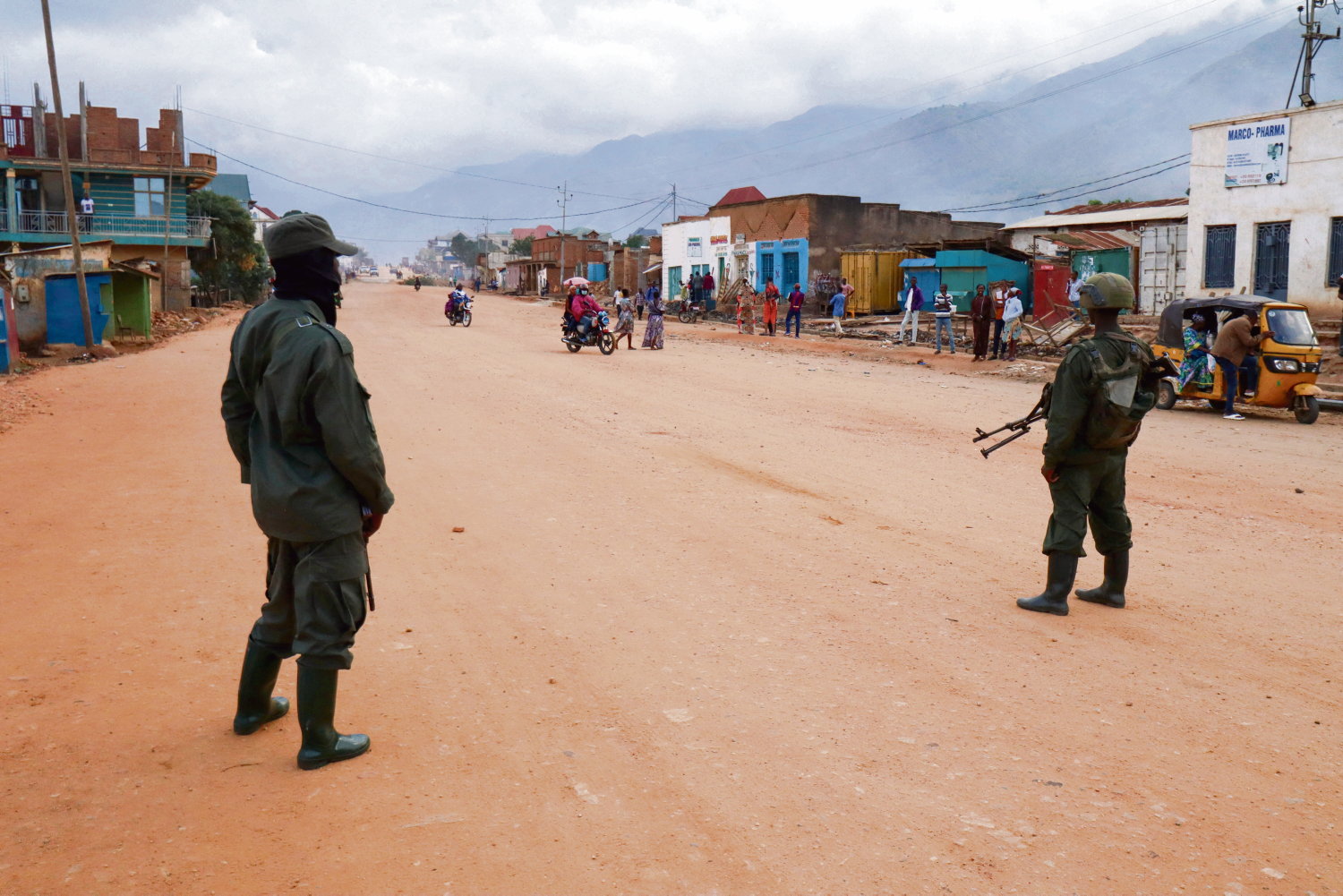
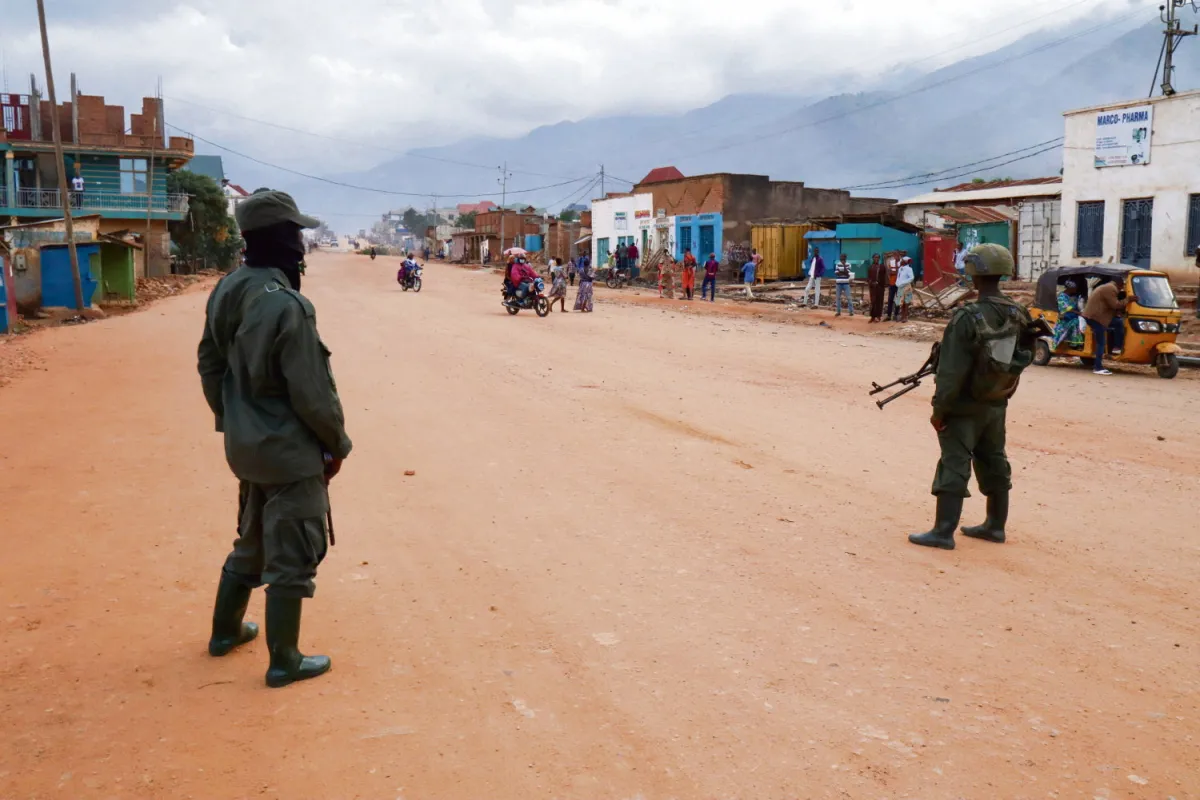
The peace treaty included multiple clauses, yet optimism has evaporated. Despite assurances from U.S. Secretary of State Marco Rubio that implementation would begin by mid-July, the eastern DRC remains locked in a state of perpetual conflict. Clashes have intensified across the region, with no sign of de-escalation in sight.
Military escalation defies diplomatic efforts
Sanctions imposed on belligerents have proven ineffective, while U.S. diplomatic pressure has failed to yield results. The resumption of hostilities in strategic areas has dashed hopes for a lasting resolution. Local populations continue to bear the brunt of violence, with displacement and humanitarian crises worsening daily.
Les mots-clés associés à cet article
kivu
république démocratique du Congo
Rwanda