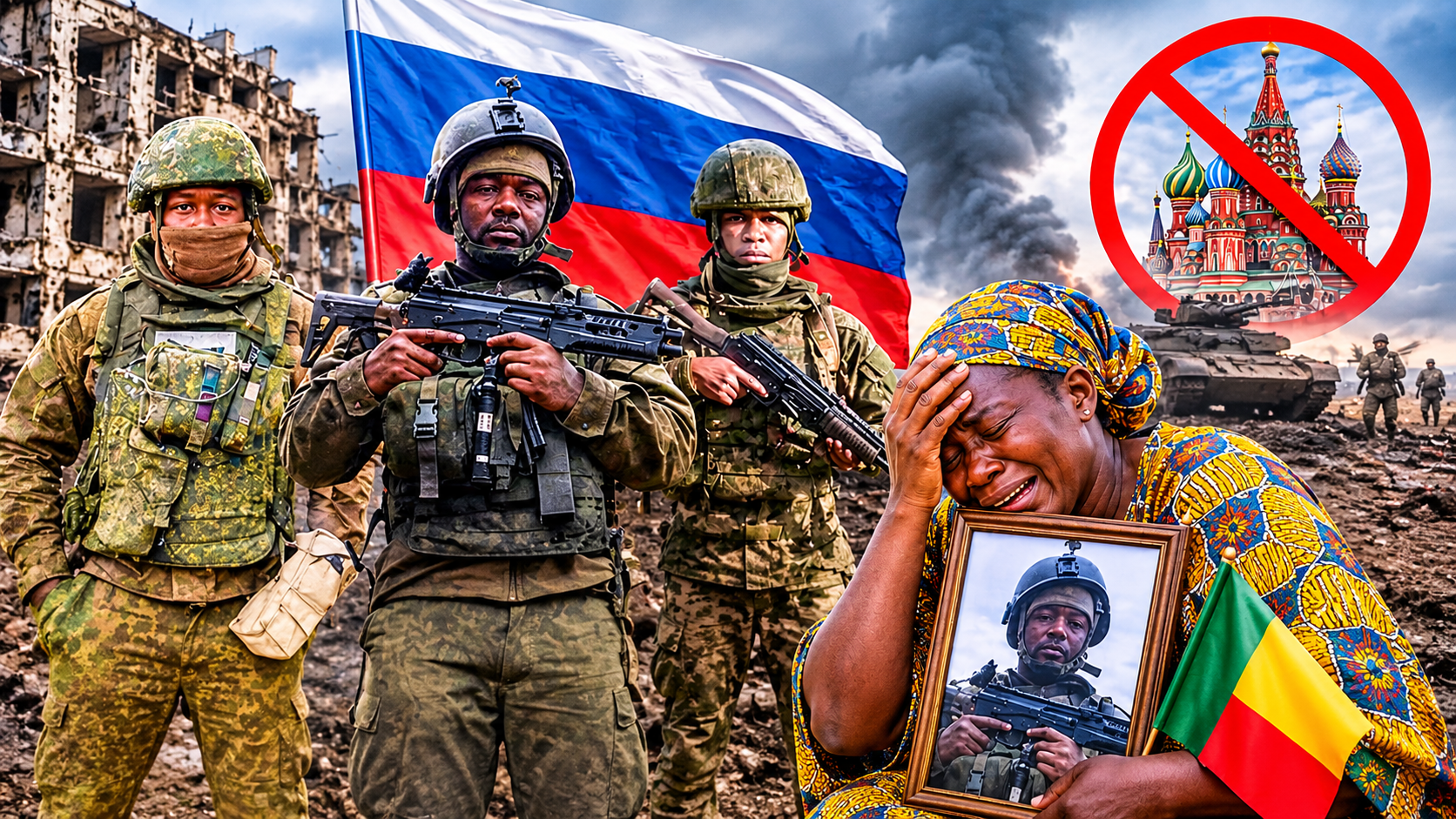
A promising future built on academic ambition has tragically ended for a young Beninese national who left his home country to pursue studies in Russia. Far from the classrooms he once envisioned, his journey concluded on a Ukrainian battlefield, raising urgent questions about the hidden dangers facing African students in conflict zones. This heartbreaking case forces a necessary reckoning: could the pursuit of higher education abroad inadvertently lead to military conscription for those studying in Russia today?
When academic dreams collide with wartime realities
For many African youth, studying abroad represents the ultimate pathway to professional success and economic stability. Families often make immense sacrifices to fund these educational endeavors, viewing them as investments in their children’s futures. But what happens when the promise of knowledge transforms into a nightmare of warfare?
The fatal outcome for this Beninese student illustrates a disturbing pattern emerging across African communities: the precarious intersection between education opportunities in Russia and involuntary military engagement in Ukraine. While most students pursue legitimate academic paths, documented cases reveal how certain circumstances particularly financial vulnerability and opaque contractual agreements can expose foreign nationals to unforeseen perils.
Understanding the recruitment mechanisms
Reports from multiple African countries indicate that some foreign students in Russia have been approached with employment offers that, upon closer examination, reveal military obligations. These propositions often come with attractive financial incentives, suggesting potential exploitation of individuals desperate to improve their economic situations. The language barrier and lack of access to reliable legal counsel may further compromise students’ ability to discern legitimate opportunities from coercive recruitment tactics.
Once engaged in military activities, foreign students face the full spectrum of wartime dangers: frontline combat, artillery strikes, capture, or fatal injuries. The irreversible consequences of such involvement demand immediate attention from both aspiring students and their support networks.
The vulnerability factors exposing students to risk
Several critical vulnerabilities make African students particularly susceptible to dangerous recruitment practices:
Financial dependence: Many students rely on part-time work or financial support from intermediaries for basic needs, creating pressure to accept any offered opportunities
Administrative barriers: Complex visa requirements and language differences may prevent students from seeking alternative solutions or reporting exploitative situations
Isolation from support systems: Distance from family and home-country institutions leaves students with limited recourse when facing questionable employment offers
Misleading promises: Recruiters may present military service as mere temporary employment without disclosing the true nature of duties or associated risks
Essential precautions for prospective students and their families
The tragic circumstances surrounding this Beninese student’s death necessitate heightened awareness among those considering educational opportunities in Russia. While many legitimate educational pathways exist, the current geopolitical climate demands extraordinary vigilance. Prospective students and their families should:
Verify institutional legitimacy: Confirming the accreditation status of Russian educational institutions through official channels
Scrutinize all contracts: Ensuring any employment agreements explicitly exclude military obligations and are reviewed by legal professionals
Seek diplomatic protection: Registering with home-country embassies in Russia and maintaining regular contact
Research alternative destinations: Exploring educational opportunities in regions unaffected by active conflicts
Establish emergency protocols: Creating communication plans with family members and trusted contacts abroad
The role of African governments in protecting their citizens
Governments across the African continent bear significant responsibility in safeguarding their citizens studying abroad. This includes:
Implementing pre-departure orientation programs addressing the specific risks in Russia
Establishing dedicated consular units specializing in student protection
Creating rapid-response mechanisms for at-risk citizens
Collaborating with Russian authorities to monitor recruitment practices affecting African nationals
Providing clear, accessible guidelines in local languages about legal rights and protections
A call for transparency in international education
Educational institutions must prioritize transparency in their dealings with international students. This means:
Disclosing any military recruitment activities occurring on or near campus
Providing students with access to legal counsel for contract review
Establishing clear reporting mechanisms for students who feel pressured or deceived
Maintaining open communication channels with students’ home countries
The death of this young Beninese student serves as a solemn reminder that not all educational journeys lead to knowledge and opportunity. Before committing to a program abroad, every prospective student must thoroughly evaluate the geopolitical context and potential risks associated with their chosen destination.
Key questions left unanswered by this tragedy
Several critical details remain unclear regarding the circumstances surrounding this student’s involvement in military activities:
The nature of his enrollment in a Russian institution
Whether any formal recruitment processes were conducted
The veracity of any employment contracts or financial agreements
The timeline between his academic pursuits and military engagement
The extent of consular involvement in the case
Until these questions receive definitive answers, families and students must approach educational opportunities in Russia with extreme caution. The pursuit of knowledge should never come at the cost of personal safety or involuntary participation in armed conflict.
This heartbreaking case demands more than remembrance it requires action. African governments, educational institutions, and students themselves must work collectively to prevent similar tragedies in the future. The right to education must never be compromised by the threats of war and exploitation.
By Élise Ntamag — Journalist